When people start preparing for emergencies, it’s easy to get caught up in the idea that more is always better. Another case of canned food? Sure. A few more flashlights? Why not? Before long, closets, garages, and spare rooms can fill up with things bought with good intentions but rarely used.
Stockpiling can be useful, but every item takes up space, costs money, and may need to be rotated or replaced. Some supplies also seem more practical than they really are once you think about how they would be used during an actual emergency.
A useful stockpile doesn’t have to fill an entire room. It should contain things your household will actually use, store safely, and know how to handle. Here are 15 supplies that are easy to overbuy.
Junk Food and Sweets
Cookies, candy, chips, and snack cakes can make an emergency pantry feel a little more comforting. Having a few favorite treats on hand can be nice during a stressful situation.
The problem starts when snacks take up a large portion of the food supply. Many offer plenty of calories but little protein, fiber, or other nutrients. Some also have shorter shelf lives than people expect.
There’s nothing wrong with keeping a few comfort foods in the pantry. Just give most of your storage space to foods that can provide actual meals and nutrition.
Related: 10 Things Food Pantries Wish More People Knew Before Visiting
Canned Soups and Highly Processed Convenience Meals
Canned soup and ready-to-eat meals are convenient, which makes them tempting for emergency storage. They require little preparation and can be eaten with minimal cooking.
Still, eating heavily processed meals day after day can leave you with high sodium and limited nutritional variety. Some canned meals also contain less protein than you might expect.
A few cans are handy, but stocking ingredients such as beans, rice, oats, canned vegetables, canned meat, and other versatile staples can give you more meal options.
Mountains of Toilet Paper
The toilet paper shortages of recent years left plenty of people determined never to run out again. That reaction is understandable, but toilet paper takes up a lot of room.
A reasonable backup supply makes sense. Several years’ worth probably doesn’t.
Once you have enough for your household’s normal use plus a reasonable emergency reserve, you may be better off using that storage space for water, food, first-aid supplies, sanitation products, or other items that are harder to replace.
Related: 14 Things Every Successful Garage Sale Has in Common
Too Many Battery-Powered Gadgets
Flashlights, lanterns, radios, fans, and other battery-operated devices can be incredibly useful during a power outage.
The trouble comes from buying a dozen different gadgets and then realizing they all depend on the same limited supply of batteries. Batteries also lose charge while sitting in storage and need to be checked and replaced.
A few dependable devices are usually more useful than a drawer full of gadgets. It also helps to have some rechargeable, solar, hand-crank, or manual options so everything doesn’t depend on disposable batteries.
An Entire Shelf of Specialized Cleaning Products
It’s easy to collect a different cleaner for every room and surface in the house. Before long, you can have bottles for windows, floors, bathrooms, counters, stainless steel, tile, and everything in between.
During an emergency, you probably won’t need a dozen different formulas.
A smaller collection of versatile cleaning supplies can handle most routine jobs. It also means fewer bottles to store and fewer products sitting around until they lose their usefulness.
Related: 12 Things You Should Never Store in Your Kitchen Cabinets
Cases of Bottled Water
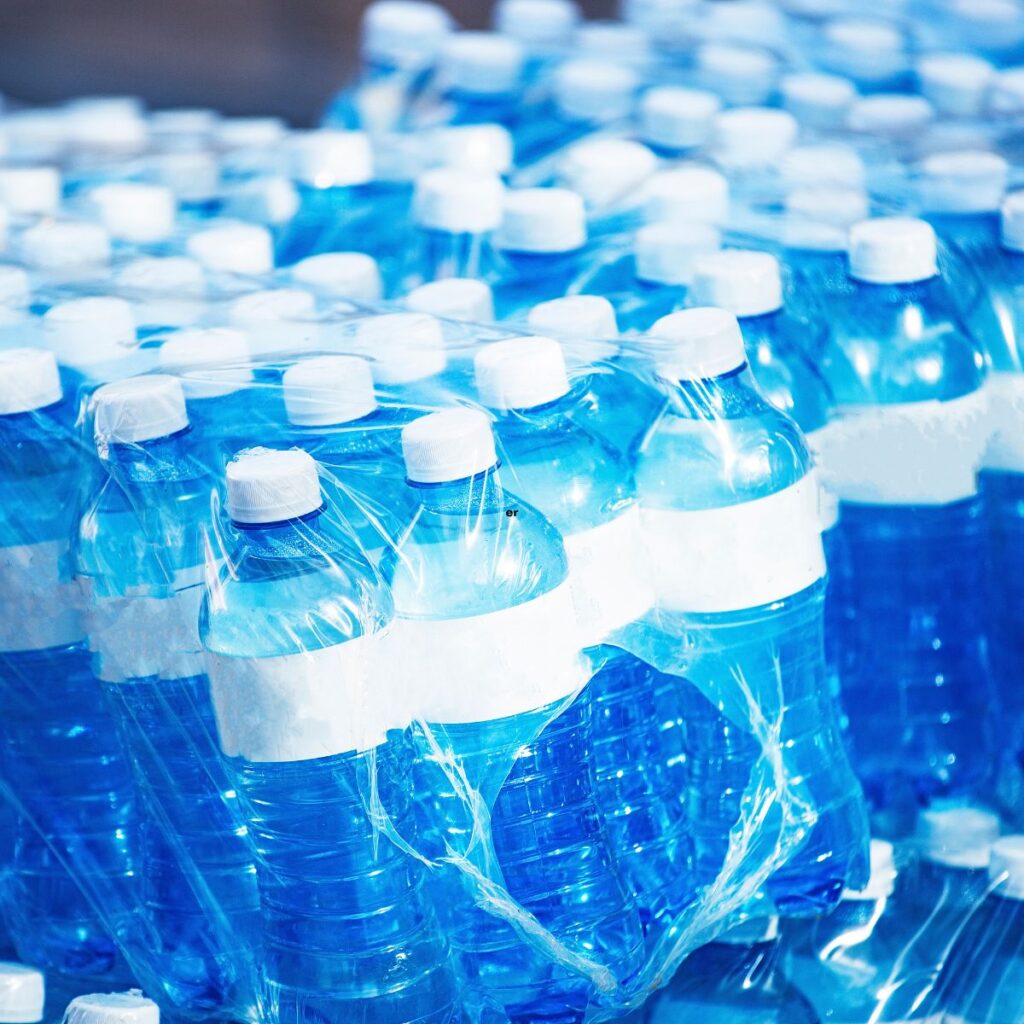
Having stored drinking water is one of the smartest things a household can do for emergency planning. The issue is how much bottled water you can realistically store and rotate.
Cases of individual bottles take up considerable room, especially for larger households. They also create a lot of plastic waste.
Stored water can be paired with appropriate filtration and purification options, along with clean, reusable containers. The right mix depends on your household and the types of emergencies common in your area.
More Firewood Than You’ll Ever Use
Firewood has several practical uses during an emergency. It can provide heat and, with the right equipment, sometimes be used for cooking.
Still, a giant woodpile can create its own headaches. Wood needs to stay reasonably dry, requires space, and can attract insects and rodents when stored poorly.
Instead of collecting as much as possible, estimate how much your household actually burns during a typical season and keep a sensible reserve.
Related: 14 Things Homebuyers Should Know Before Trusting a Real Estate Agent
Excessive Alcohol
Some households keep alcohol for cooking, personal use, or trade. A modest supply can be practical, depending on your circumstances.
It’s easy, though, to give it far more storage space than it deserves. Food, water, medications, hygiene supplies, lighting, and communication equipment are likely to be far more useful during most emergencies.
If alcohol is part of your household supplies, keep an amount that makes sense for your actual needs rather than treating it as a major part of your stockpile.
Single-Use Plastics
Disposable plates, cups, utensils, bags, and containers can seem convenient during a crisis. They can save water because there are fewer dishes to wash, which may be helpful in some situations.
The downside is that they take up storage space and quickly turn into trash.
A reasonable supply can be useful, but reusable containers, washable cloths, durable utensils, and regular kitchenware can cover many of the same needs without requiring constant replacement.
Medications You Don’t Actually Need
Keeping a supply of medications your household regularly uses can be an important part of emergency planning. Problems arise when people start buying random medicines simply because they think they might come in handy someday.
Medications have expiration dates, storage requirements, and safety considerations. Some can become less reliable over time, while others may require specific storage conditions.
A better use of storage space is an organized supply of medications your household actually needs, along with a basic first-aid kit and a way to keep track of expiration dates.
More Clothing Than Necessary
Extra clothing can be useful, especially for children who outgrow things quickly or households living in areas with very different seasons.
Still, it’s easy to turn preparedness into an excuse to keep piles of old jackets, boots, gloves, and other gear that rarely gets worn.
A few good-quality basics in the right sizes are usually more useful than boxes of duplicates. Clothing that fits your climate and can handle regular wear deserves priority.
Related: 10 Things You Can Take From a Hotel Room Without Getting Charged
Huge Collections of Fire Starters
Lighters, matches, candles, commercial fire starters, and homemade tinder are inexpensive enough that they can be fun to collect.
There’s a point, though, where you have far more fire starters than you could reasonably use.
Keeping several reliable ways to start a fire is smart, particularly if you know how to use them safely. Hundreds of matches and dozens of lighters may just become another box that sits untouched for years.
Excessive Paper Products
Paper towels, napkins, disposable plates, tissues, and cleaning wipes can disappear quickly during normal household use. It makes sense to keep extras, especially if your household goes through them regularly.
The problem is buying so many that they take up shelf, closet, and garage space.
Washable rags, cloth towels, reusable napkins, and regular dishes can handle many everyday tasks. A moderate supply of disposable products can then be kept for situations where they are genuinely useful.
More Survival Gear Than You Can Actually Use
Preparedness stores are full of clever gadgets. Multi-tools, compact stoves, water filters, emergency kits, specialty knives, solar devices, and other gear can all look useful sitting on a shelf.
But owning something and knowing how to use it are two different things.
A piece of equipment that has never been tested may be much less useful during a real emergency than a basic tool you use regularly. Before buying another gadget, ask yourself whether you know how it works, whether you’ve practiced with it, and whether it solves a problem your household actually has.
A smaller collection of reliable, multi-use gear can be easier to maintain and much more practical.
Foods With Short Shelf Lives
One of the easiest ways to waste money while building a pantry is buying large quantities of food that won’t last long enough to be used.
Certain oils, dairy products, snacks, specialty ingredients, and other foods can spoil or lose quality before you get around to eating them. If you buy them solely because they seem useful for an emergency, they may end up in the trash instead.
Shelf-stable foods such as rice, beans, oats, canned vegetables, canned meats, pasta, and properly stored dehydrated or freeze-dried foods can form a more practical pantry. The best choices are foods your household already eats, since you can rotate them through normal meals instead of letting them sit untouched for years.
A stockpile should make life easier, not turn your home into a storage unit. Buying less of the things you rarely use leaves more room and money for supplies that actually matter.