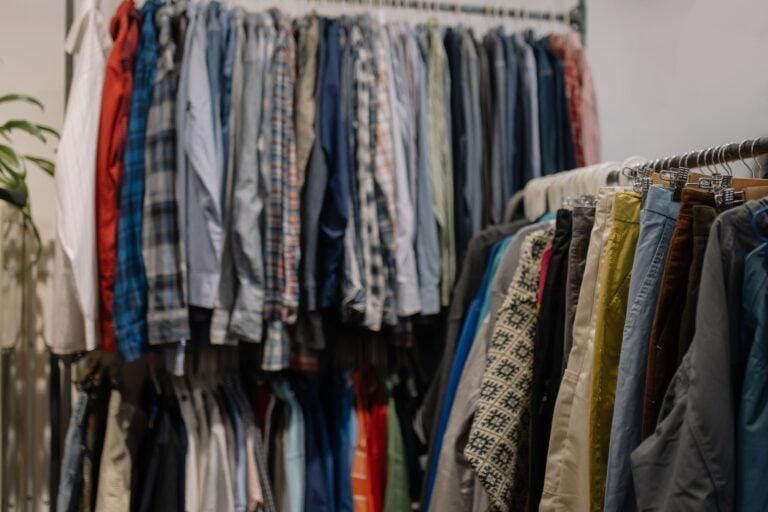
Walk through the clothing racks at almost any thrift store today, and you’re likely to recognize plenty of labels. Zara, H&M, Forever 21, Shein, Fashion Nova, and other inexpensive fashion brands can sometimes seem just as common as the older department-store brands that once dominated secondhand racks.
There’s a reason for it. We’re buying enormous amounts of clothing, trends are moving quickly, and many garments aren’t staying in our closets for very long. The thrift store has essentially become one of the places where all that unwanted clothing eventually lands.
Donating those clothes is certainly better than throwing wearable pieces away immediately. But seeing rack after rack of barely old fast fashion raises a bigger question: why are we getting rid of so much clothing in the first place?
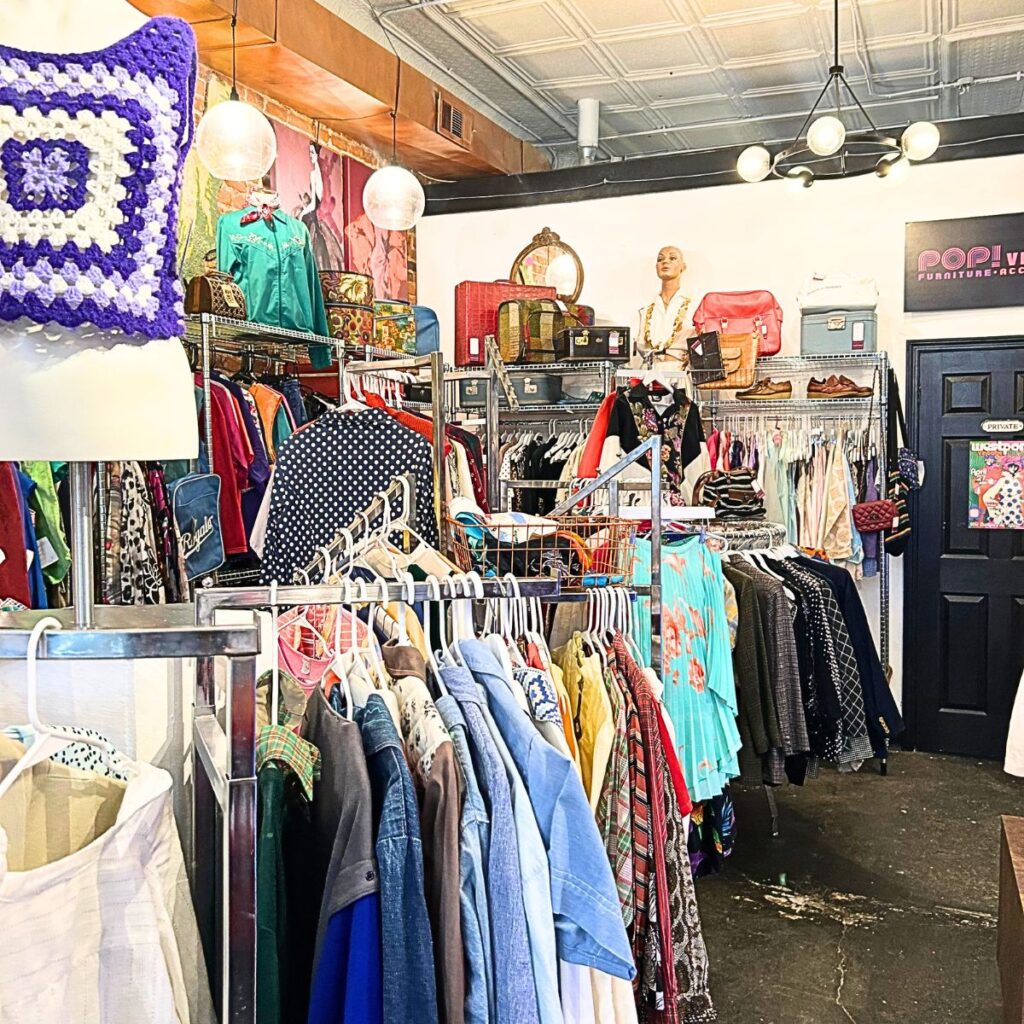
We’re Buying More Clothes Than We Used To
The amount of clothing being produced has changed dramatically. The Ellen MacArthur Foundation found that clothing production doubled between 2000 and 2015, while the number of times garments were worn before being discarded fell by 36%.
When more clothing enters our closets, more eventually has to come out. Thrift stores are one of the most convenient places for consumers to send the overflow.
Fast Fashion Makes It Easy to Buy Something for One Moment
A $15 dress doesn’t require the same purchasing decision as a $150 dress. When clothing is inexpensive and readily available, it’s easier to buy something for a vacation, party, social-media trend, season, or even a single outfit without thinking much about whether we’ll want it a year later.
UNEP describes the current fast-fashion cycle rather simply: consumers are buying more clothing while wearing it for less time. That constant cycle of new styles encourages clothing to leave closets almost as quickly as it enters them.
Related: When Did Thrift Stores Start Pricing Fast Fashion Like It’s Vintage?
Trends Move Faster Than Our Clothes Wear Out
A garment doesn’t necessarily have to be damaged before someone decides they’re finished with it. Sometimes the color, cut, print, or style simply doesn’t feel current anymore.
That’s one of the strange things about modern clothing consumption: perfectly wearable clothes can feel “old” long before they’re actually worn out. UNEP has specifically pointed to overproduction and overconsumption as major contributors to fashion’s growing waste problem.
Closet Cleanouts Have Become Routine
We regularly hear advice to declutter our closets, get rid of anything we haven’t worn recently, and donate whatever no longer “sparks joy.” That can help create a manageable wardrobe, but those bags don’t disappear once they’re dropped at the donation center.
Multiply one household’s three bags of unwanted clothes by millions of households, and you begin to understand why thrift stores receive so much clothing. The EPA estimated that Americans generated 13 million tons of clothing and footwear waste in 2018 alone.
Some Clothes Don’t Hold Up Long Enough to Keep
There’s another reason I see fast fashion differently when I’m thrifting: some pieces simply aren’t made well enough to survive years of regular wear. Thin fabric, stretched necklines, pilling, loose seams, broken zippers, and garments that lose their shape can make inexpensive clothing feel disposable.
That doesn’t mean every inexpensive garment is poorly made or that every expensive one is high quality. It’s why I inspect the actual garment when thrifting instead of assuming a familiar label makes something worth buying.
Related: 12 Clothing Items People Wish They Never Donated
Online Shopping Makes Overbuying Incredibly Easy
You don’t have to walk through a mall, try on 15 things, and carry bags back to your car anymore. A few taps can put another package on your doorstep, while free-shipping thresholds, discounts, flash sales, influencer links, and constant new arrivals give shoppers plenty of reasons to add “just one more thing.”
The result can be closets filled with pieces that don’t fit quite right or aren’t as appealing in person. Eventually, many of those barely worn purchases end up in the donation pile.
Donating Makes Getting Rid of Clothes Feel Better
Throwing a perfectly wearable shirt into the garbage feels wasteful. Putting it into a donation bag feels like you’re giving it another chance.
And in many cases, you are. Resale and reuse can keep clothing circulating longer, which is exactly why organizations advocating for a more circular fashion system emphasize keeping products and materials in use rather than constantly replacing them.
But donating something doesn’t erase the consumption that happened before the donation. If we buy five inexpensive shirts, wear two, and donate three, we’re still participating in the cycle that created all those clothes in the first place.
Thrifting Helps, but Buying Less Matters Too
I love thrifting precisely because it gives existing things another opportunity to be useful. If I’m going to buy a jacket anyway, finding a quality one secondhand instead of automatically buying another new one makes a lot of sense.
But thrift stores can’t solve the entire fast-fashion problem. The bigger change happens before the donation bag: buying fewer things we don’t really want, choosing better-made clothing when possible, repairing what we already own, and asking ourselves whether we’ll actually wear something enough to justify bringing it home.
The overflowing thrift-store racks aren’t just evidence that people are donating more. They’re also a pretty good snapshot of how much clothing we’re buying and how quickly we’re deciding we’re done with it.