For many homeowners, a backyard is meant to feel like a private space, a place to relax, garden, or simply step outside without feeling observed. But when that sense of privacy starts to disappear, even small interactions can begin to feel intrusive.
That’s what one homeowner described after dealing with neighbors who frequently watched her yard, commented on her activity, and even texted to ask what she was doing outside. Add in barking dogs and a lack of physical boundaries between properties, and the situation slowly became uncomfortable enough that she started looking for a solution.
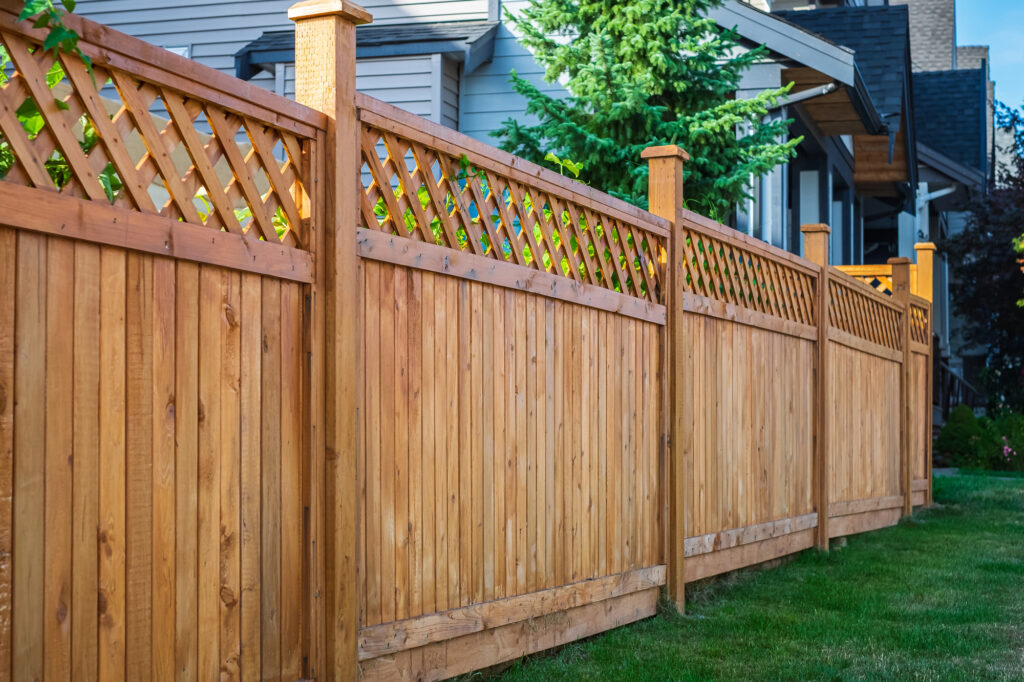
Her answer was simple: install a six-foot privacy fence. The only catch? She didn’t plan to tell one set of neighbors beforehand, and that’s where the debate began.
It’s Your Property—But That Doesn’t Always Stop the Stress
It’s worth understanding why this kind of decision can feel complicated. Even when something is fully within your rights as a homeowner, relationships with neighbors can add an emotional layer that makes straightforward choices feel more stressful than they should be.
In this case, the fence would be built entirely on her property and paid for out of pocket, which legally puts the decision in her hands. Still, she hesitated, not because she needed permission, but because of how the neighbors might react once construction started.
That’s where many people weighed in, pointing out that while the situation might feel awkward, ownership ultimately matters most. As one person put it, “You’re paying the mortgage… you’re paying for the fence. If anyone says anything, just remind them of that.” Others echoed the same idea, saying neighbors don’t get input unless they’re contributing, which they weren’t.
When Privacy Starts to Feel Like a Necessity
What stood out to many people wasn’t just the fence; it was everything that led up to it. Constant visibility between yards, unsolicited comments, and repeated check-ins can shift something from mildly annoying to genuinely uncomfortable over time.
In situations like this, the idea of adding a physical boundary isn’t just about property lines; it’s about creating a sense of control over your own space again. The homeowner wasn’t trying to block out friendly neighbors; she was trying to reduce a level of attention that had started to feel invasive.
That’s why many responses focused on the bigger picture. “You’re entitled to privacy… no one should have to feel uncomfortable in their own backyard,” one person wrote. Others pointed out that a neighbor openly admitting they enjoy watching what others are doing would be enough to make anyone reconsider their setup.
Why Preparation Matters More Than Permission
Even though most people agreed with the decision, the conversation quickly shifted to practical advice. When it comes to property changes, especially something as visible as a fence, details matter.
Before building anything, it’s important to know exactly where your property begins and ends. Without that clarity, even a well-intentioned project can lead to disputes later. In this case, taking the time to confirm boundaries could help avoid future tension, especially with neighbors who are already closely paying attention.
That’s why one of the most repeated suggestions was simple: “Be sure to have a survey done and then build whatever type of fence you want.” Others added that having documentation on hand can make a big difference if questions come up after the fact.
Related: 12 Tips for Being a Better Neighbor
Setting Boundaries Doesn’t Always Require a Conversation
Another layer to the situation was communication, or the lack of it. The homeowner chose not to give advance notice, which raised the question of whether that step was necessary.
In general, giving neighbors a heads-up is considered a courtesy. But in this case, the ongoing dynamic made that choice feel less straightforward. When interactions already feel intrusive, opening the door to more discussion might not feel like the right move.
That perspective came through clearly in several responses. “Stop answering creepy texts… ” It’s none of their business,” one person wrote. Another suggested keeping things simple if asked directly, with a response like, “Enjoying my privacy.”
For many, the takeaway wasn’t about avoiding communication entirely; it was about recognizing when boundaries need to be set more firmly.
Related: 14 Annoying Neighbor Behaviors We’ve All Dealt With That Quietly Drive You Mad
Why Fences Sometimes Change Everything
There’s a reason the phrase “good fences make good neighbors” came up more than once. Physical boundaries can often reduce tension in ways conversations can’t.
When spaces are clearly defined, there’s less room for misunderstanding, fewer opportunities for unwanted interaction, and a stronger sense of personal space. In situations where boundaries have already been blurred, that shift can be immediate and noticeable.
Some people even shared their own experiences, saying that installing a fence made their yard feel like a completely different environment. What once felt exposed suddenly felt private and much more comfortable to use.
The Bottom Line
At its core, this situation isn’t just about a fence; it’s about feeling at ease in your own home. While neighbor relationships can add complexity, most people agreed that personal comfort shouldn’t come second.
In this case, the decision to build a privacy fence wasn’t seen as unreasonable. If anything, it was viewed as a practical way to address an ongoing issue without escalating conflict.
And as many pointed out, sometimes the best solution is also the simplest: follow the rules, protect your space, and create the kind of environment that feels right for you.
Other Topics You Might Like
- If a neighbor’s tree falls on your home in California, who is responsible?
- Need to Block a Neighbor’s View of Your Yard? Here’s How to Do It Without Starting a War
- If a fence falls between neighbors in California, who is responsible for repairs?
- If You Spot These Vintage Garden Pieces at a Garage Sale, Grab Them Fast