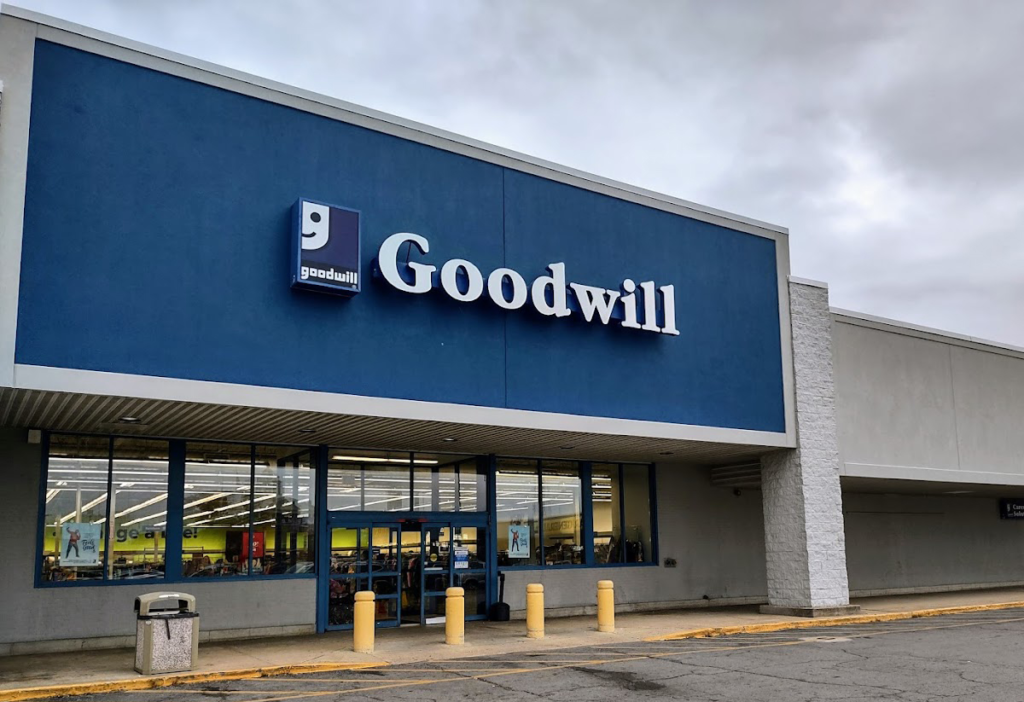
Donating to Goodwill can feel like the responsible thing to do when you’re clearing out your home. Instead of throwing something away, you drop it off assuming it will eventually make its way onto a shelf and into someone else’s home.
But not everything donated to Goodwill actually reaches the sales floor. Items that are broken, heavily stained, unsafe, incomplete, or simply difficult to sell may be sorted out before shoppers ever see them, and some can ultimately end up in the trash.
That means something you donated with good intentions could still become waste, only after someone else has had to sort and handle it first. Here are 10 things you may want to think twice about donating to Goodwill because they could end up in the trash anyway.
Broken Toys
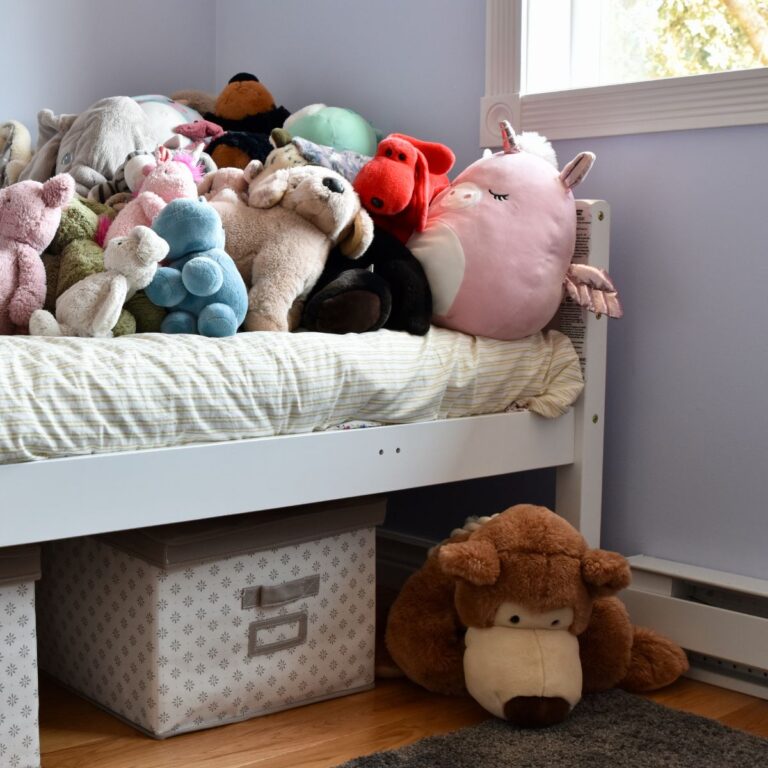
Toys with cracked plastic, missing wheels, broken electronics, exposed parts, or major pieces missing usually can’t be sold safely, so employees may spend more time sorting them than they’re worth. Depending on the material, they may be discarded or potentially sent to a specialized recycling stream if one is available locally.
Soiled or Heavily Damaged Clothing and Textiles
A tiny stain or repairable tear doesn’t automatically make clothing unusable, but heavily stained, moldy, badly ripped, or extremely worn textiles are unlikely to make it onto the sales floor. Some organizations can route unsellable fabric into textile recycling or downcycling programs, while pieces without another outlet may ultimately be thrown away.
Wet or Moldy Textiles
Wet clothing, towels, sheets, blankets, and other textiles are especially problematic because moisture can create odors, mildew, and contamination while the donations are being stored and transported. If they’re too damaged to safely process, they may have to be disposed of rather than sorted for resale or textile recycling.
Food
Most thrift stores aren’t equipped to operate like food banks, so they may not have systems for checking dates, storing perishables, or safely redistributing donated groceries. Unless the organization specifically accepts food, take unopened items to a food pantry, community refrigerator, or other food-assistance program instead.
Outdated Baby Gear
Old cribs, car seats, high chairs, and other baby equipment can create liability and safety concerns because products may have been recalled, damaged, expired, or manufactured under older standards. If the thrift store can’t verify that an item is safe to resell, it may have to reject or discard it rather than pass it along to another family.
Mugs and Ordinary Glassware
Mugs, drinking glasses, and basic dishes may be perfectly usable, but thrift stores can receive far more of them than shoppers actually buy. Oversupply means common pieces may sit unsold, get damaged during handling, or eventually be pulled from inventory because the store simply doesn’t have room to keep everything indefinitely.
Chipped and Cracked Dishes
A mug with a tiny chip or a plate with a hairline crack may seem too good to throw away, but damaged ceramics and glass can create sharp edges and aren’t particularly appealing to shoppers. Once deemed unsafe or unsellable, they may end up in the trash because many curbside recycling programs don’t accept ordinary ceramics or drinking glass.
Broken Small Appliances
A toaster that doesn’t heat, a coffee maker with missing parts, a vacuum that doesn’t pick anything up, or a lamp with damaged wiring isn’t much of a donation. Stores may have to test electrical items before selling them, and anything that fails can become another piece of waste the organization must pay to dispose of or send to an appropriate electronics-recycling program.
Furniture That’s Too Damaged to Use
A solid chair with cosmetic scratches may still have plenty of life left, but furniture with severe water damage, broken frames, missing structural parts, strong odors, or crumbling particleboard is another story. Large unsellable furniture is particularly burdensome because it consumes valuable floor and storage space before the store has to arrange disposal.
Incomplete Games, Puzzles, and Sets
A board game missing half its pieces, a puzzle with unknown missing pieces, or a kitchen set missing the parts needed to use it may look donation-worthy until someone tries to sell it. If employees can’t reasonably make the item complete or useful, it may sit unsold or eventually be discarded after taking up sorting and shelf space.