Most of us decide whether something is a fruit or vegetable based on how we eat it. Apples and peaches go in the fruit bowl, while tomatoes, cucumbers, and peppers end up in salads, soups, and stir-fries. That seems pretty straightforward until you look at how botanists classify plants.
The botanical definition is based on where a food comes from on the plant. A fruit develops from a flower and usually contains seeds. Vegetables are the edible roots, stems, leaves, bulbs, and other plant parts.
That means quite a few foods we casually call vegetables are actually fruits. Their savory flavor and place in everyday meals just make us think of them differently.
Here are 15 foods that may surprise you.
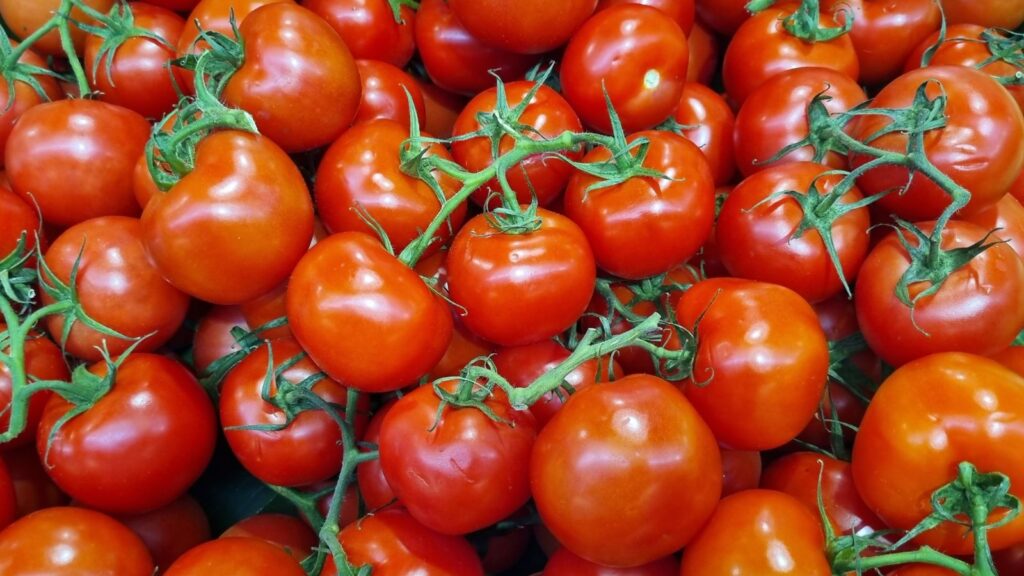
Tomatoes
Tomatoes are probably the most familiar example of a fruit that gets treated like a vegetable. We slice them for sandwiches, toss them into salads, cook them into sauces, and rarely give their botanical classification a second thought.
But tomatoes grow from the flower of the tomato plant and contain seeds, which makes them fruits. Botanically, they’re even classified as berries.
Related: These 14 Foods Usually Stay Good Well Past the Date on the Package
Cucumbers
Cucumbers seem like classic vegetables, especially when they’re sliced into salads or served with dip. Yet they meet the botanical definition of a fruit.
Each cucumber develops from a flower and contains seeds. Its cool, crisp texture and mild taste may make it feel like a vegetable at dinner, but the plant itself tells a different story.
Bell Peppers
Green, red, yellow, and orange bell peppers are common ingredients in everything from fajitas to pasta dishes. They’re also technically fruits.
Bell peppers develop from the flowers of the pepper plant and contain seeds inside. As they ripen, their flavor can become sweeter, which makes their fruit classification a little easier to see.
Zucchini
Zucchini is another food that almost everyone treats as a vegetable. It’s sautéed, grilled, baked into bread, and added to casseroles.
Botanically, though, zucchini is a fruit. It develops from the flower of the plant and contains seeds. Since zucchini belongs to the squash family, it shares this classification with several other foods we usually put in the vegetable drawer.
Eggplant
Eggplant may look like the ultimate vegetable, but it’s technically a fruit.
The eggplant develops from a fertilized flower and contains many small seeds. Those seeds can be easy to overlook, especially in younger eggplants, which may be why its botanical identity comes as such a surprise.
Olives
Olives are usually associated with pizza, pasta, salads, and savory appetizers, so calling them fruits can sound strange at first.
Each olive develops from a flower and contains a pit surrounding its seed. Botanically, olives are drupes, putting them in the same broad fruit category as peaches, cherries, and plums.
Pumpkins
Pumpkins are strongly associated with vegetable gardens, pumpkin soup, pies, and fall decorations. Still, they’re fruits.
A pumpkin develops from the flower of the plant and contains seeds inside its thick flesh. Pumpkins belong to the squash family, so their botanical classification isn’t much different from that of zucchini.
Avocados
It’s easy to forget that avocados are fruits because they’re usually served in savory dishes. Guacamole, avocado toast, salads, and sandwiches don’t exactly make you think of fruit.
Botanically, avocados are berries. They develop from a flower and contain a large seed surrounded by fleshy fruit. Their creamy texture and mild flavor just happen to work beautifully in savory recipes.
Chili Peppers
Jalapeños, serranos, habaneros, cayenne peppers, and other chili peppers are fruits, too.
Like bell peppers, they grow from flowers and contain seeds. The heat from capsaicin doesn’t change their botanical classification. Whether a pepper is sweet, mild, or incredibly spicy, it is still a fruit.
Butternut Squash
Butternut squash is a favorite for soups, roasted dishes, casseroles, and side dishes. It may sit in the vegetable section at the grocery store, but botanically it’s a fruit.
The squash develops from the plant’s flower and contains seeds. Its naturally sweet flesh becomes even sweeter after roasting, which makes it one of the easier examples to recognize once you know the botanical definition.
Green Beans
Green beans are a little different from some of the other foods on this list because the part we eat is the pod.
That pod develops from a flower and contains the plant’s developing seeds. For that reason, the entire green bean is considered a fruit from a botanical standpoint, despite its long-standing reputation as a vegetable.
Peas
Peas follow a similar pattern. The peas themselves are seeds, while the pod they grow inside develops from the flower of the pea plant.
Since the pod is the fruit that contains the seeds, peas fall into the botanical fruit category. At the dinner table, they’re still likely to be served as a vegetable, which is perfectly normal from a culinary standpoint.
Related: Vegetable Garden Return on Investment Workbook
Okra
Okra’s classification is easier to see once you look closely at its structure. The long, ridged pods develop from flowers and contain rows of seeds inside.
That makes okra a fruit botanically. Its use in dishes like gumbo and stews is what gives it its familiar vegetable reputation.
Sweet Corn
Corn can get confusing because it can be classified differently depending on whether you’re talking about botany or cooking.
Each corn kernel is technically a type of dry fruit called a caryopsis. The kernel contains a seed that is fused with the fruit wall.
In the kitchen, fresh sweet corn is usually treated as a vegetable. Once corn is dried and processed, it’s commonly treated as a grain. So corn can wear several hats depending on how it’s being discussed.
Chayote
Chayote may be less familiar than tomatoes or cucumbers, but it belongs on this list too.
This pear-shaped member of the squash family grows from a flower and contains a large seed in the middle. Its mild flavor makes it useful in soups, stir-fries, stews, and roasted dishes, so it’s usually treated like a vegetable.
Botanically, though, chayote is a fruit.
The next time someone says fruits belong in a fruit bowl and vegetables belong on a dinner plate, these foods might make that conversation a little more complicated. Botanical classification and culinary classification don’t always agree, and that’s part of what makes plants so interesting.
Other Topics You Might Like
- 13 Gardening Antiques Collectors Love and Often Pay Up For
- I Stopped Buying Fertilizers After Years of Gardening and Started Using This Instead
- Some of the Best Gardening Tips I Ever Got That Break All the Rules
- 9 Vintage Gardening Tools Hiding in Grandma’s Potting Shed— Some Could Be Worth a Small Fortune