Building a long-term pantry doesn’t have to mean filling an entire room with emergency supplies. For many people, it simply means keeping a few foods around that won’t need to be replaced every few months.
Long-lasting staples can be useful for emergencies, unexpected expenses, higher grocery prices, or those weeks when you don’t have time to make another trip to the store. The trick is choosing foods that actually fit your household and storing them in conditions that protect them from heat, moisture, light, and pests.
Shelf life can also vary quite a bit depending on the packaging and storage conditions. Some foods can last for decades in ideal storage, while ordinary store packaging may give you a much shorter window. Here are some of the foods commonly used for long-term storage.
Canned Meats
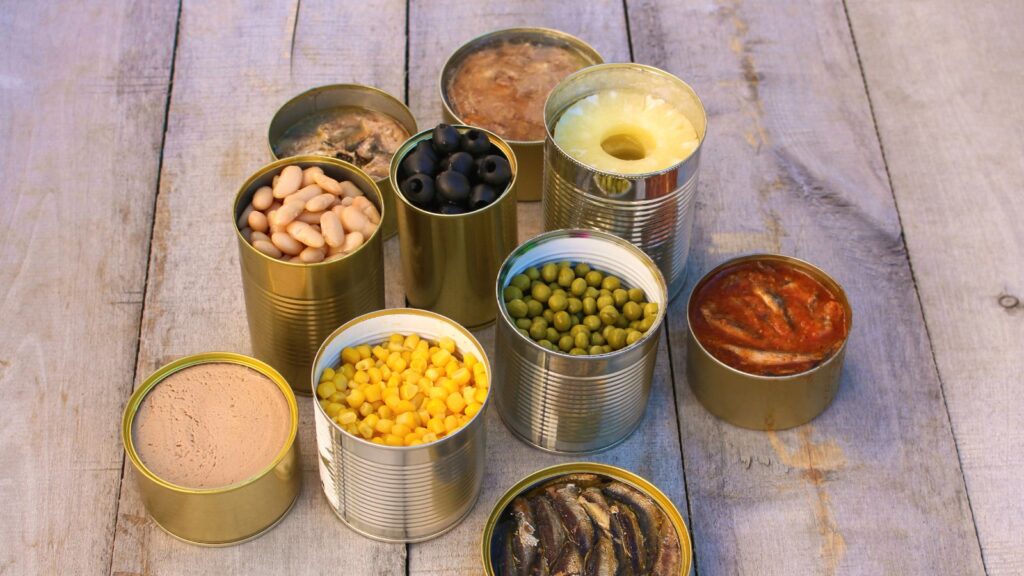
Canned chicken, beef, tuna, and other meats are convenient sources of protein that can sit on a pantry shelf for years. Commercially canned foods are often dated for quality rather than safety, provided the cans remain intact and have been stored properly.
Check cans before using them. Bulging, leaking, badly rusted, or deeply damaged cans should be discarded.
White Rice
White rice is a popular choice for long-term storage because it contains very little oil compared with brown rice. When sealed in appropriate long-term storage packaging and kept somewhere cool and dry, it can remain usable for many years.
It’s also easy to work into everyday meals, from fried rice and casseroles to soups and side dishes.
Dried Beans
Pinto, black, navy, and kidney beans are inexpensive, filling, and packed with protein and fiber. Properly stored dried beans can last for years, although older beans may take longer to soften during cooking.
Since beans are so versatile, they’re a practical food to rotate through your regular meals rather than leaving untouched in the back of the pantry.
Honey
Honey is one of the foods famous for its remarkable staying power. Properly stored honey can last for an extremely long time. It may crystallize and become thick, but that doesn’t necessarily mean it has gone bad.
Place the container in warm water for a while if you want to return crystallized honey to a more liquid consistency.
Sugar
White granulated sugar can last indefinitely if kept dry and protected from moisture. It may become hard or lumpy if moisture gets into the container, but that doesn’t automatically make it unsafe.
Brown sugar is a little different because its moisture content makes it more prone to hardening over time.
Salt
Pure salt doesn’t spoil, which makes it an easy pantry staple to keep for the long haul. Besides adding flavor to food, salt has long been used for preserving certain foods.
Store it somewhere dry, since moisture can turn an otherwise useful container of salt into a solid block.
Related: Smart Ways to Use Salt Around the House (That Have Nothing to Do with Cooking)
Powdered Milk
Nonfat dry milk can be useful for households that want a shelf-stable source of milk for cooking and baking. Its storage life depends heavily on the packaging and conditions.
Once opened, keep powdered milk sealed tightly and follow the storage directions on the package. It can be added to breads, pancakes, sauces, soups, and other recipes.
Rolled Oats
Oats are inexpensive, filling, and easy to use. Stored correctly in airtight packaging away from heat and moisture, they can last for years.
They work for much more than breakfast. Oats can go into cookies, granola, bread, meatloaf, and other recipes.
Dried Pasta
A box of dried pasta can sit in the pantry for a long time when kept dry and protected from insects. While it may not have the extreme storage life of some specially packaged foods, unopened dried pasta is still one of the easiest staples to keep around.
Spaghetti, macaroni, penne, and other shapes can turn a few basic pantry ingredients into a filling meal.
Freeze-Dried Fruits and Vegetables
Freeze-dried produce is popular with people building long-term food supplies because it is lightweight and stores well when sealed correctly.
Shelf life varies by product and packaging, so check the manufacturer’s date and storage instructions. Once opened, exposure to air and moisture can shorten its usable life.
Bouillon Cubes
Bouillon cubes take up very little room but can add plenty of flavor to otherwise plain rice, beans, soups, and stews.
Their storage life varies by brand and ingredients, so check the package date and keep them in a cool, dry place. They are especially handy if you want to make basic pantry meals taste a little better.
Cornstarch
Cornstarch is one of those pantry staples that can sit untouched for a long time without causing much trouble. Keep it sealed and dry, and it can remain useful well beyond many other baking ingredients.
It’s handy for thickening gravies, sauces, puddings, soups, and stir-fry sauces.
Related: These Uses for Cornstarch Sound Ridiculous, but They Work
Apple Cider Vinegar
Apple cider vinegar has a long shelf life because of its acidity. Over time, its appearance, color, or flavor may change, but properly stored vinegar can remain usable for a very long time.
It has plenty of everyday uses in cooking, salad dressings, marinades, and some food-preservation recipes.
Instant Coffee
For coffee drinkers, instant coffee can be a welcome item to have stored away. Freeze-dried varieties can last for years when kept sealed and protected from moisture.
It’s also convenient because you don’t need much equipment to prepare a cup. For someone who starts every morning with coffee, that alone can make it worth keeping in the pantry.
Related: Things You Can Do With Coffee Filters Besides Brewing Coffee
Wheat Berries
Whole wheat berries can have a very long storage life under suitable conditions. Unlike flour, the intact grain retains its natural protective layers until it’s milled.
When you have a grain mill, wheat berries can be turned into fresh flour for bread and other baked goods. They can also be cooked and added to soups, salads, or grain dishes.
Pure Maple Syrup
Pure maple syrup keeps well when unopened, but it isn’t an unlimited-storage food in the same way that sugar or salt is. Follow the storage instructions on the container, and once opened, refrigerate it.
An unopened bottle can make a nice addition to a long-term pantry, particularly for pancakes, oatmeal, baking, and desserts.
Canned Pumpkin
Canned pumpkin is useful far beyond pumpkin pie. It can be added to soups, oatmeal, muffins, breads, pasta sauces, and other dishes.
As with other canned foods, check the date and inspect the can before opening. Store unopened cans somewhere cool and dry, and rotate older cans into your regular meals.
Baking Soda
Baking soda is inexpensive and useful enough to deserve a spot in almost any pantry. It can be used for baking, deodorizing, and a variety of household cleaning jobs.
It doesn’t have an unlimited food shelf life, though. For baking, older baking soda may lose its ability to produce the same rise, so check the package and test its freshness if you’re unsure.
Related: People Are Sharing the One Cleaning Product That Replaced Almost Everything in Their Homes
Build Your Pantry a Little at a Time
You don’t need to spend a fortune filling your pantry in one shopping trip. Start with foods your household already eats, buy extras when the price is good, and rotate older packages into your regular meals.
Pay attention to expiration and best-by dates, storage conditions, and the manufacturer’s instructions. A long-term pantry works best when the food is actually used rather than forgotten on a shelf.
Over time, a few extra bags, cans, and containers can turn into a useful reserve without taking over your home or your budget.