
For years, decorating a home meant buying matching furniture, choosing a color scheme, and making sure everything looked like it belonged together. But that approach is changing, and vintage furniture and decor are playing a big part.
Instead of filling their homes with brand-new pieces, more people are mixing older furniture with modern finds, bringing back once-outdated colors, and embracing pieces that show a little age.
Interior designers are noticing the shift, too. Vintage is influencing everything from the furniture people buy to the colors they choose and how they put a room together.
Matching Furniture Sets Are Losing Their Appeal
Buying a matching bedroom or living room set used to be an easy way to make a space look put together. But designers are increasingly mixing furniture from different styles and decades instead of making everything match.
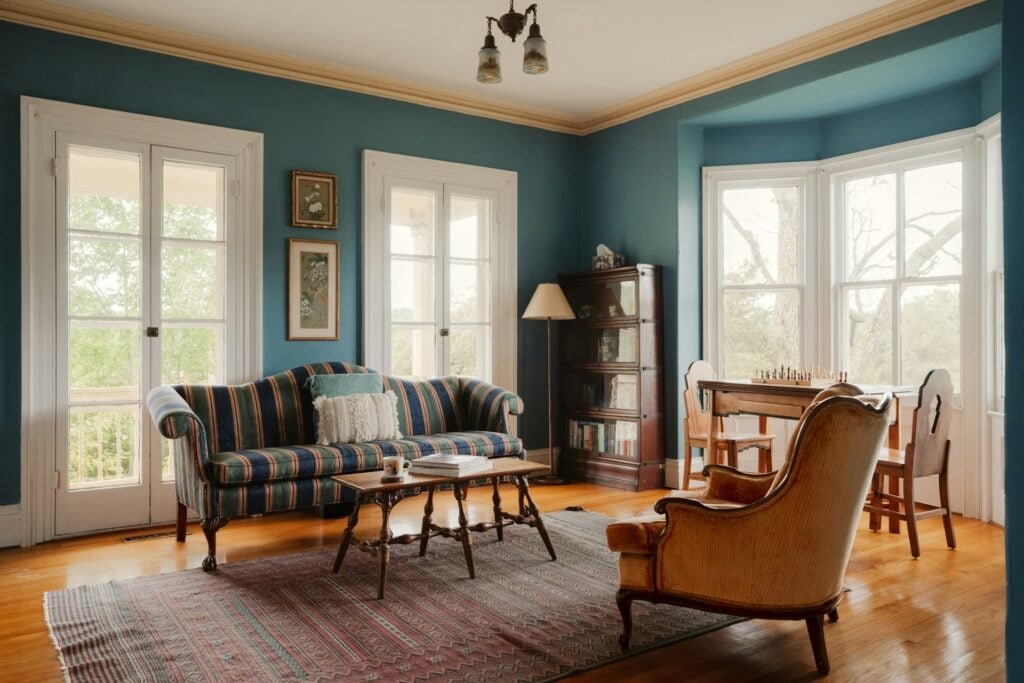
An older wooden dresser can sit alongside a modern bed, or a vintage coffee table can work with a newer sofa. The pieces don’t have to come from the same collection to look good together.
People Are Decorating With What They Already Have
There’s less pressure to replace furniture simply because it’s old or doesn’t fit the latest decorating trend. Instead, people are incorporating older pieces into rooms alongside newer purchases.
That could mean keeping a dining table that’s been in the family for years, using an inherited cabinet, or finding a place for a secondhand chair. Furniture doesn’t necessarily need to be new to deserve a spot in the house.
Darker Wood Furniture Is Getting Another Look
Light wood and painted furniture have been popular decorating choices for years, but darker wood tones are getting renewed attention.
Designers are incorporating rich wood finishes alongside deeper colors and vintage furnishings. That old mahogany dresser or dark wooden side table that once seemed outdated might fit right into a more modern room.
Decorating Doesn’t Have to Happen All at Once
Buying everything for a room in one shopping trip is convenient, but it can also leave a space looking a little too coordinated.
Vintage decorating takes a different approach. A room might start with a sofa, then gradually come together with a thrifted lamp, an old wooden table, or artwork found at an estate sale. There’s no need to rush out and buy everything at once.
Older Furniture Doesn’t Have to Look Perfect
Scratches, faded finishes, and signs of age aren’t always reasons to pass on a piece of furniture anymore. In fact, some designers appreciate the worn finishes and natural aging that come with vintage pieces.
That doesn’t mean every damaged item is worth bringing home. But a little wear on a solid wood table or an antique cabinet doesn’t automatically make it less desirable.
Richer Colors Are Making Their Way Back Into Homes
Vintage decorating is also influencing the colors people use. Instead of relying entirely on white, gray, and other neutral shades, designers are bringing in deeper greens, browns, navy blues, and warmer tones.
These colors often work well with older wooden furniture, antique rugs, and vintage artwork. You can also introduce them through smaller items, so changing a room’s look doesn’t necessarily require repainting every wall.
Thrift Stores and Estate Sales Are Becoming Part of the Decorating Process
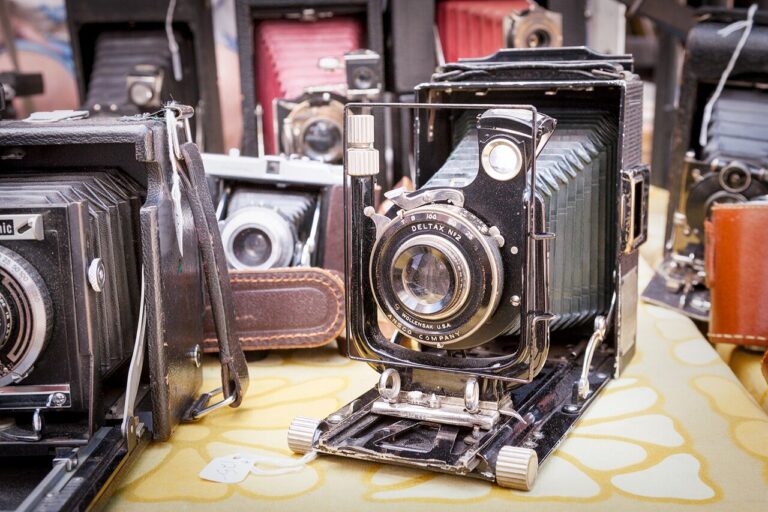
One of the biggest differences with vintage decorating is that everything doesn’t have to come from a traditional furniture store.
Thrift stores, estate sales, flea markets, and secondhand marketplaces offer furniture and decor that may be difficult to find new. An old mirror, a wooden side table, or a piece of vintage artwork can add something different to a room without requiring a complete makeover.