You can have every intention of saving money and still reach the end of the month wondering where it all went. Often, it is not one major expense causing the problem, but small habits that quietly eat away at the money you could have been putting aside.
The good news is that you do not necessarily need to completely overhaul your lifestyle to make progress. Sometimes recognizing where your money keeps slipping away is enough to start changing what happens to it.
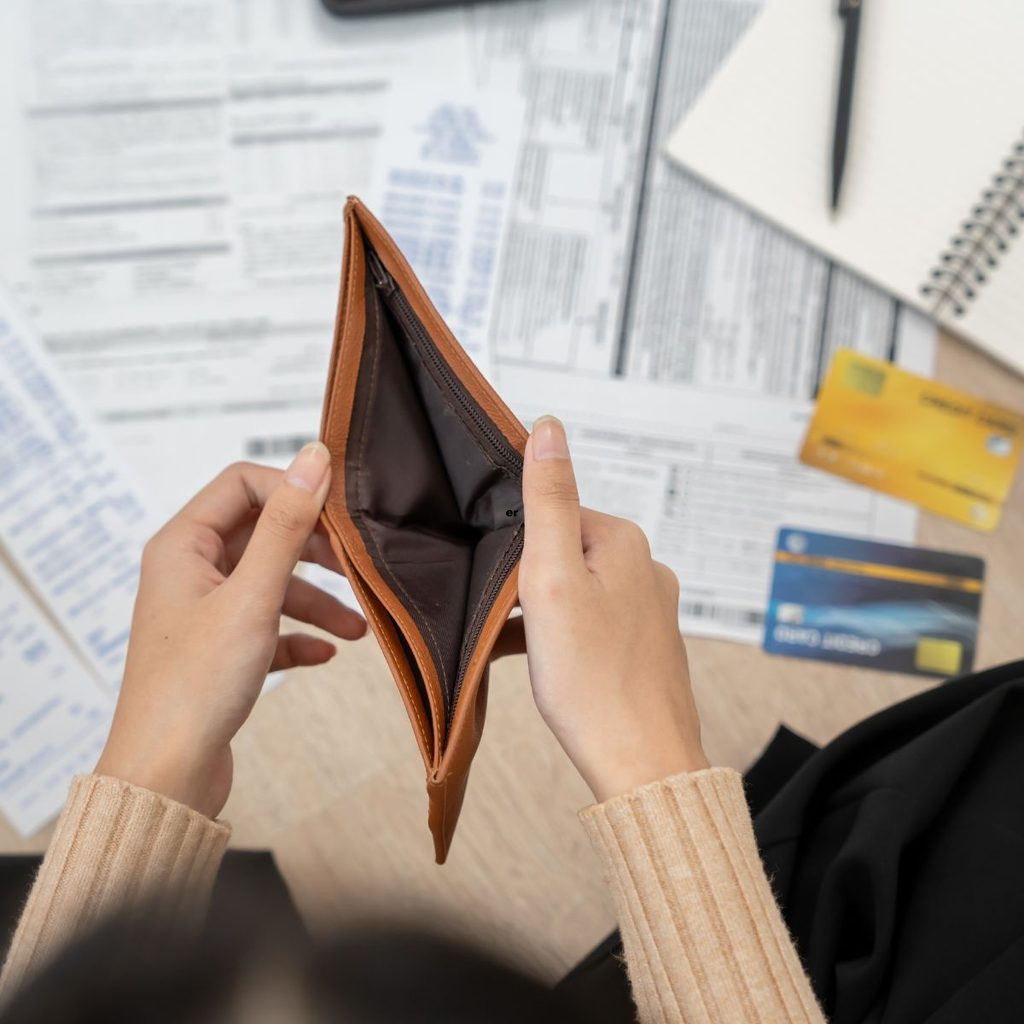
You Wait to Save Whatever Is Left
If saving means waiting until the end of the month to see what remains, there may never be much left. Try moving even a small amount into savings when you get paid so saving happens before that money gets absorbed by everything else.
You Buy Things for the Person You Want to Be
It is easy to buy workout equipment, clothes, kitchen gadgets, or hobby supplies for a version of yourself you imagine becoming someday. Before buying, ask whether the item fits the life you actually live and whether you’ll realistically use it.
You Keep Saying “It’s Only $10”
A $5 coffee or $12 online purchase does not feel like much on its own, which is exactly why these expenses are so easy to overlook. Repeat them several times a week, however, and those harmless little purchases can become a surprisingly large monthly expense.
You Pay for Convenience on Autopilot
Food delivery, expedited shipping, prepared meals, and other conveniences can be worth paying for when they genuinely make life easier. But when convenience becomes your default, the extra fees and markups can quietly take a substantial bite out of your budget.
You Don’t Regularly Check Where Your Money Goes
You don’t need to track every penny, but ignoring your transactions makes it hard to spot spending habits that are getting expensive. A quick look through your bank and credit card statements each week can show you exactly where your money is disappearing.
You Shop When You’re Bored or Stressed
Browsing stores or shopping online can become an easy distraction when you are bored, stressed, or simply looking for something enjoyable to do. Giving yourself 24 hours before making an unnecessary purchase can help you figure out whether you actually want it or simply enjoyed the feeling of shopping.
You Keep Paying for Subscriptions You Barely Use
Streaming services, apps, memberships, cloud storage, and subscription boxes can quietly renew month after month without getting much attention. Review your recurring charges and cancel anything you wouldn’t willingly sign up for again today.
You Rarely Question What You’re Paying
It is easy to keep paying the same amount for insurance, internet, cell phone service, and other bills simply because that is what you have always paid. Comparing rates, changing plans, or asking for a better price can sometimes save more money than cutting dozens of small everyday expenses.
You Use Credit to Fill Gaps in Your Budget
Using a credit card whenever you don’t have enough money in your checking account can make an already tight budget even harder to manage. Once interest and minimum payments start piling up, more of next month’s income goes toward purchases you already made instead of your savings.
You Treat Saving Money Like Punishment
If saving always feels like giving something up, it becomes much harder to stick with it for very long. Think of savings as money you are setting aside for future choices, emergencies, vacations, big purchases, or simply the ability to handle an unexpected expense without reaching for a credit card.