In the United States, both federal and state laws regulate certain plants to prevent environmental harm, illegal drug production, or public safety concerns.
Plant laws can vary widely from state to state. A plant that is legal to grow or sell in one area may be restricted or completely banned in another. Because of these differences, you should always check local regulations before planting something unusual.
Here are 15 plants that are banned or restricted in certain parts of the U.S.
Kudzu (Pueraria montana)
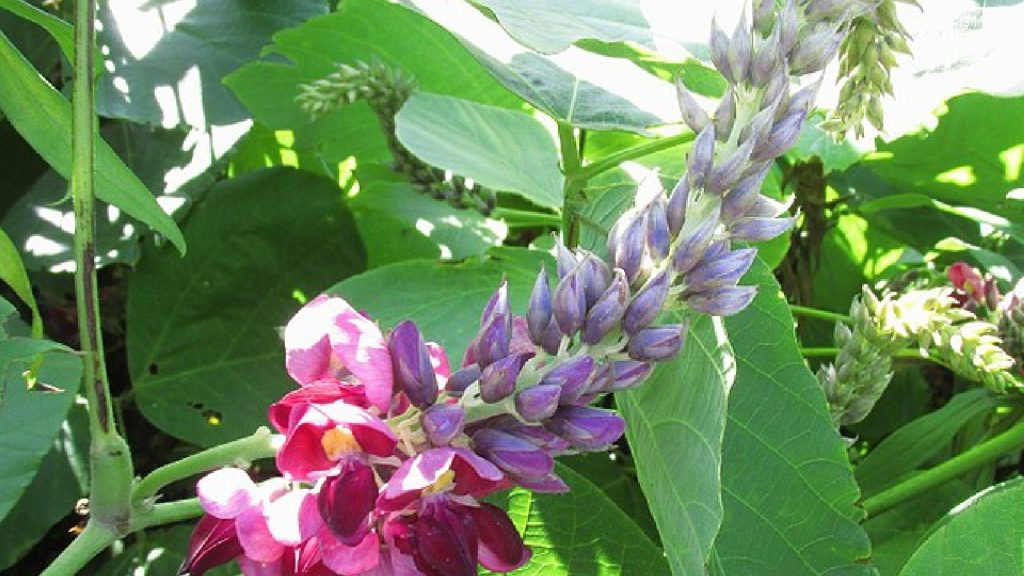
Kudzu is a fast-growing vine introduced to the United States in the late 19th century. It spreads rapidly and can smother trees, buildings, and entire landscapes.
Due to the damage it causes to ecosystems and infrastructure, several states restrict the planting or sale of kudzu.
Purple Loosestrife (Lythrum salicaria)
Purple loosestrife is a flowering plant originally from Europe and Asia that has become invasive in North America. It spreads quickly in wetlands and can crowd out native plant species.
Because of the environmental damage it causes, many states prohibit its sale or distribution.
Yellow Iris (Iris pseudacorus)
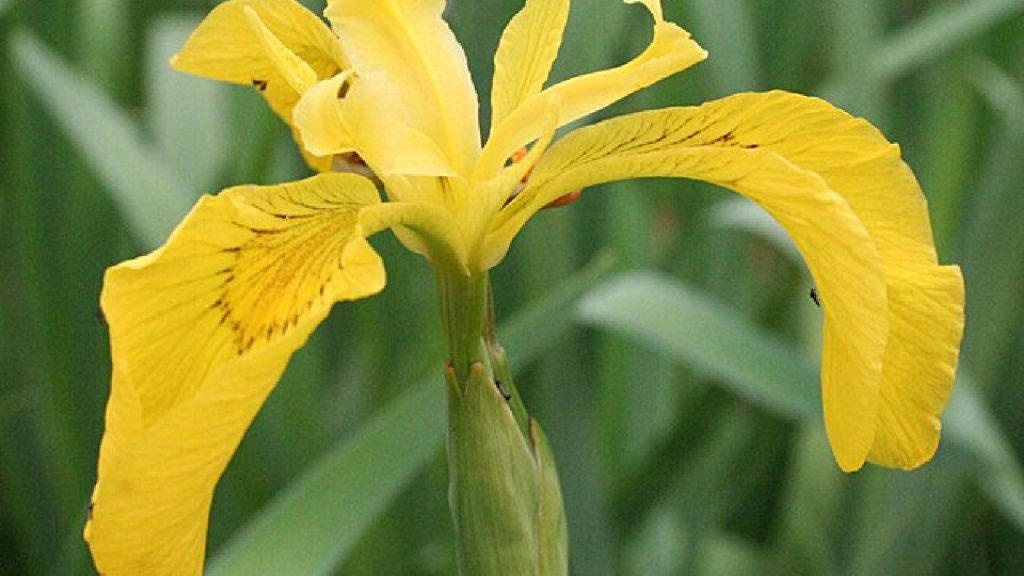
Yellow iris is a wetland plant often grown for its bright yellow flowers. However, once established, it spreads easily and can disrupt natural waterways.
Some states classify it as an invasive species and restrict its cultivation or sale.
Giant Hogweed (Heracleum mantegazzianum)
Giant hogweed is a large plant introduced as an ornamental species. Its sap contains chemicals that can cause severe skin burns when exposed to sunlight.
Due to the health risks and its invasive nature, it is regulated or banned in several parts of the United States.
Water Hyacinth (Eichhornia crassipes)
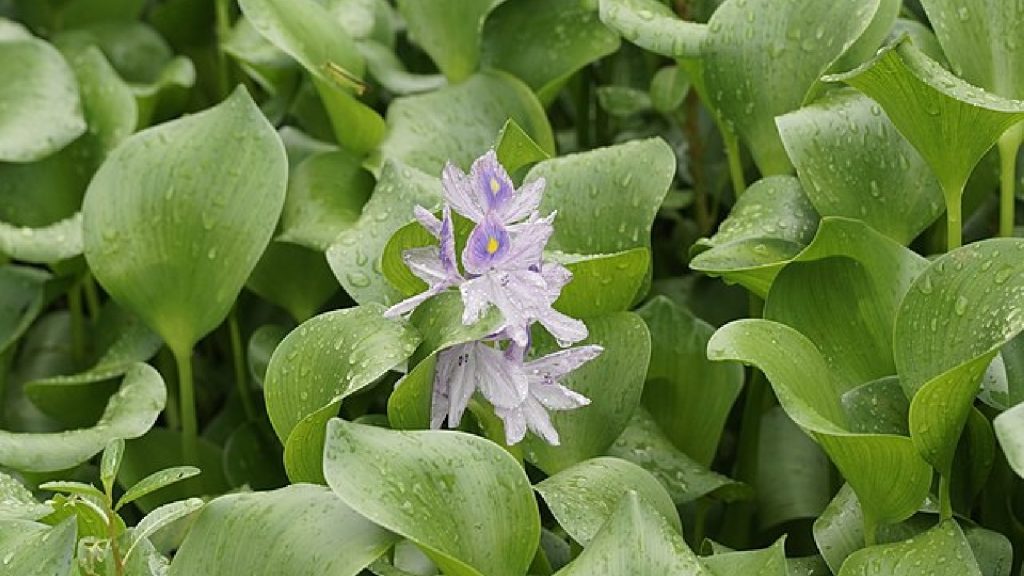
Water hyacinth is a floating aquatic plant that grows rapidly in warm climates. It can form dense mats on the surface of lakes and rivers, blocking sunlight and reducing oxygen in the water.
Because it can quickly choke waterways and harm aquatic ecosystems, many states restrict its sale and transport.
Giant Reed (Arundo donax)
Giant reed is a tall grass originally from the Mediterranean region. It spreads aggressively along waterways and can displace native plants.
Because of its invasive behavior and environmental impact, some states have banned or restricted its cultivation.
Peyote (Lophophora williamsii)
Peyote is a small, spineless cactus native to parts of the southwestern United States and Mexico. It contains mescaline, a naturally occurring hallucinogenic compound.
Because of its psychoactive properties, peyote is classified as a controlled substance under federal law, although limited religious exemptions exist for certain Native American ceremonial uses.
Opium Poppy (Papaver somniferum)
Opium poppies are known for their delicate flowers and ornamental appeal, but they also produce compounds used to create opiates. Because of its connection to narcotic production, the plant is heavily regulated.
Growing them intentionally for drug production is illegal, and cultivation laws can be complicated depending on how the plants are used.
Cannabis (Cannabis spp.)
Cannabis laws have changed significantly in recent years, but the plant remains illegal at the federal level in the United States. Many states allow medical or recreational use, but others still restrict cultivation and possession.
Because regulations vary widely, growing cannabis without proper authorization can still be illegal in certain states.
Coca Plant (Erythroxylum coca)
The coca plant is native to South America and is known for producing the stimulant compound used to make cocaine. While coca leaves have traditional uses in some cultures, the plant itself is tightly controlled in the United States.
Importing, growing, or possessing coca plants is generally illegal under federal law.
Salvia divinorum
Salvia divinorum is a plant native to Mexico that can cause intense hallucinations when consumed. It has gained attention in recent decades for its psychoactive effects.
Several U.S. states have banned or restricted the possession and sale of these substances because of concerns about misuse.
Khat (Catha edulis)
Khat is a flowering shrub native to East Africa and the Arabian Peninsula. Its leaves contain stimulants that produce effects similar to certain amphetamines.
Because of these stimulant properties, khat and its active compounds are considered controlled substances in the United States.
Kratom (Mitragyna speciosa)
Kratom is a tropical tree from Southeast Asia whose leaves can produce stimulant or sedative effects depending on the dose. In recent years, it has become widely discussed for both traditional uses and safety concerns.
Some states and municipalities have banned or restricted kratom due to its potential health risks.
Jimsonweed (Datura stramonium)
Jimsonweed is a wild plant known for its trumpet-shaped flowers and toxic alkaloids. When ingested, it can cause severe hallucinations, confusion, and dangerous poisoning.
Because of its toxicity and history of misuse, it is restricted or discouraged in certain areas.
Wild Sugarcane (Saccharum spontaneum)
Wild sugarcane is a tall grass originally from Asia that spreads aggressively in warm climates. It can quickly overtake landscapes and displace native vegetation.
Because of its invasive nature, some states have restricted its cultivation and sale.