Modern life makes it easy to forget how much we depend on convenience. Food arrives at the grocery store, electricity is available with a switch, and many household problems can be solved with a quick online order.
That convenience is great until something interrupts it. A storm, supply shortage, rising prices, or extended outage can make everyday tasks much harder. That’s one reason old-fashioned skills are getting more attention again.
Amish communities are known for practical skills such as growing food, preserving what they produce, repairing household goods, and making things by hand. These traditions vary from one Amish community and family to another, but many of the skills are useful far beyond Amish life.
You don’t have to live on a farm or give up modern conveniences to learn them. A few basic skills can help you waste less, spend less, and handle everyday problems with a little more confidence.

1. Canning and Preserving Food
Canning has long been a practical way for families to keep garden produce available after harvest season. Fruits, vegetables, jams, pickles, and some meats can be preserved for later use when the proper methods are followed.
Learning safe canning techniques can help reduce food waste and make a homegrown harvest last much longer. It can also be handy during months when fresh produce is more expensive or harder to find.
2. Growing and Managing a Garden
A productive garden can put fresh vegetables, herbs, and fruit within easy reach. Amish families are well known for maintaining gardens that provide food for the household, with extra produce often preserved for later.
You don’t need acres of land to get started. A few containers, raised beds, or a small backyard plot can produce herbs, tomatoes, peppers, greens, and other crops.
Related: 13 Gardening Tips Everyone Swears By (That Don’t Always Work)
3. Making Soap
Before store shelves were filled with dozens of specialty soaps, families often made their own. Traditional soap making uses fats or oils combined with lye and water, creating a finished soap that can be used for bathing, cleaning, and laundry.
It’s a hands-on skill that takes care and proper safety practices, but learning the basics can give you another option if commercial products become expensive or difficult to find.
4. Caring for Livestock
Keeping animals can provide food and other useful resources. Chickens can supply eggs, goats can provide milk, and some small animals can provide meat or manure for the garden.
Animal care also comes with plenty of responsibility. Anyone interested in raising livestock needs to learn about housing, feeding, sanitation, common illnesses, and local regulations before bringing animals home.
5. Woodworking
Furniture, shelves, boxes, tables, and other household items can all be made or repaired with basic woodworking skills.
Amish furniture is widely recognized for its hand-built construction, but you don’t need professional-level skills to benefit from learning woodworking. Being able to repair a loose chair, replace a broken piece, or build a simple shelf can save a trip to the store and keep useful items in service longer.
6. Quilting
Quilting began as a practical way to turn pieces of fabric into warm blankets and household coverings. Families could use scraps from worn clothing or leftover fabric rather than letting them go to waste.
Today, quilting is often treated as a hobby, but the original idea still makes sense. Old shirts, sheets, and fabric scraps can become something useful instead of ending up in the trash.
7. Basic Metalworking
Blacksmithing may sound like a skill from another era, but basic metalworking can still be useful for people who work with tools, farms, or machinery.
Traditional blacksmiths made and repaired everything from hinges and hooks to farm tools. You probably don’t need a forge in your backyard, but learning how metal behaves, how to sharpen tools, or how to make simple repairs can be valuable.
8. Baking Bread
Bread is one of those foods that can seem complicated until you’ve made it a few times. With flour, water, yeast, salt, and a little practice, you can make loaves at home without relying on a trip to the bakery.
Learning to bake also gives you more ways to use basic pantry ingredients. Homemade rolls, biscuits, flatbreads, and other baked goods can turn inexpensive staples into filling meals.
Related: 18 Thrifty Ways to Make Your Groceries Last Longer
9. Sewing and Mending Clothes
A loose button or small tear doesn’t have to mean a trip to the clothing store. Basic sewing skills can keep shirts, pants, coats, curtains, blankets, and other fabric items usable for much longer.
Knowing how to patch a hole, replace a button, repair a seam, or shorten a piece of clothing is especially useful for families trying to stretch their budgets.
Related: Sewing Is Making a Comeback and More People Are Learning It Again
10. Learning About Herbs
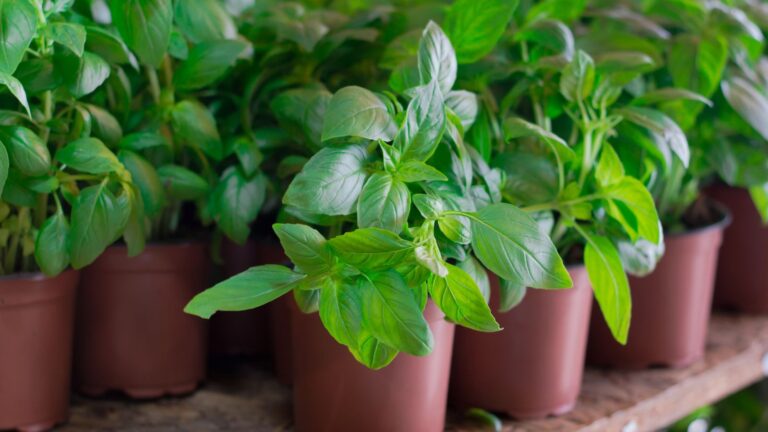
Herbs have been used in traditional home care for generations. Growing plants such as mint, chamomile, rosemary, and other common herbs can give you useful ingredients for teas, cooking, and some traditional household remedies.
Herbal remedies should never be treated as a replacement for professional medical care, especially for serious symptoms or medical conditions. Still, knowing how to grow and use common culinary and traditional herbs is a useful household skill.
11. Making Candles
Candles were once a regular source of household light rather than something reserved for dinner tables or decoration.
Learning how candles are made from materials such as beeswax can be useful during a power outage. Homemade candles can also be a practical craft and a way to make use of wax that might otherwise be discarded.
12. Making Cheese
Turning milk into cheese is an old method of extending the useful life of dairy. Depending on the type of cheese, the process can be fairly simple or require more specialized equipment and careful temperature control.
Fresh cheese such as simple farmer-style cheese can be a good place to start. Learning the basics gives you another way to use extra milk rather than letting it go to waste.
13. Building and Using a Root Cellar
Before refrigerators became common, families needed other ways to keep food cool. Root cellars provided a dark, cool, humid place for storing crops such as potatoes, carrots, onions, and other vegetables.
A full underground cellar isn’t practical for every home. A cool basement, pantry, or properly prepared storage area can still provide some of the same benefits for certain crops.
14. Preserving Meat
Smoking, curing, drying, and other preservation methods have helped families store meat long before freezers were part of everyday life.
These methods require careful attention to food safety because improperly preserved meat can cause serious illness. Learning from reliable food-preservation sources is important before trying any technique at home.
15. Living With Less
Perhaps the most useful lesson isn’t a particular craft or household task. It’s the habit of making good use of what you already have.
Repairing something instead of replacing it, growing some of your own food, cooking from basic ingredients, reusing materials, and avoiding unnecessary purchases can all make a difference to a household budget.
You don’t have to copy every part of Amish life to benefit from these old-fashioned skills. Learning a few practical abilities at a time can make everyday life a little less dependent on convenience and a lot more manageable when circumstances change.