Growing tomatoes can be incredibly satisfying. Few things beat picking a ripe tomato straight from the garden and eating it while it’s still warm from the sun. But tomato plants can also attract plenty of pests, compete for nutrients, and run into disease problems during the growing season.
That’s where companion planting can come in handy.
The idea is pretty simple: grow certain plants near your tomatoes because they can attract helpful insects, discourage some pests, cover bare soil, or make better use of limited garden space. Companion plants aren’t going to turn a struggling tomato plant into a bumper crop overnight, but the right combinations can make a garden easier to manage.
If you’re planning your tomato bed this season, these 11 plants are worth considering.
Borage
Borage is a favorite among gardeners who want more bees buzzing around their vegetable beds. Its blue, star-shaped flowers produce nectar that attracts bees and other beneficial insects.
The flowers can keep appearing throughout much of the growing season, giving pollinators a steady food source near your tomatoes. Borage also grows fairly large, so give it enough room instead of squeezing it into a small corner of the tomato bed.
Basil
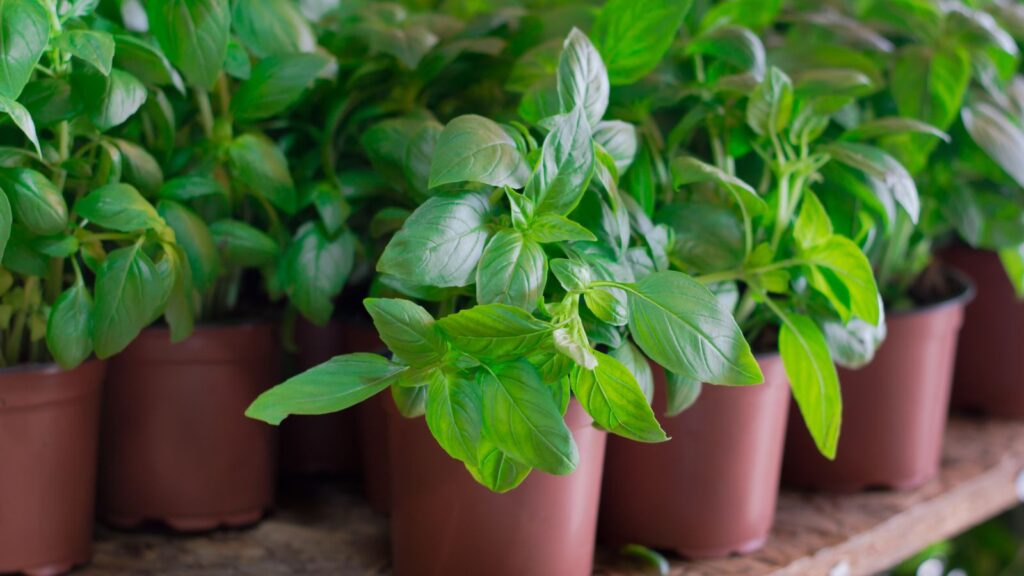
Tomatoes and basil have long been paired together, both in the garden and on the dinner plate.
Basil’s strong fragrance may help discourage some insects, including aphids, while its flowers can attract pollinators if you let the plant bloom. It also gives you a steady supply of fresh leaves for pasta, salads, sauces, and homemade pesto.
Plant basil close enough to your tomatoes that both plants can share the same growing area without crowding each other.
Marigolds
Marigolds are a familiar sight in vegetable gardens, and there’s a reason gardeners keep planting them.
Their flowers bring in pollinators and other helpful insects, while their scent may discourage some unwanted pests. Marigolds also add a splash of color around tomato plants, making the vegetable patch look less like a row of crops and more like a mixed garden.
Related: 14 Plants That Love Banana Peels
Chives
Chives are easy to grow, take up little space, and can be useful around tomato plants.
Their onion-like scent may discourage aphids, mites, and other small pests from settling nearby. If you let the chives flower, their round purple blooms can also attract bees and other pollinators.
They’re especially handy for smaller gardens because you can tuck them along the edge of a tomato bed without taking up much room.
Lettuce
Lettuce can make good use of the cooler, shaded soil beneath taller tomato plants.
Once tomato plants grow tall, they can cast shade over the ground below. Lettuce generally appreciates some relief from intense summer sun, so planting it beneath tomatoes can make productive use of that otherwise empty space.
The leaves also cover more of the soil surface, which can help slow weed growth and keep the ground from drying out as quickly.
Parsley
Parsley is useful far beyond the kitchen.
If you allow some plants to flower, their small blooms can attract beneficial insects such as ladybugs and other natural predators. Those insects may help keep aphids and other pests from getting out of hand around your tomatoes.
Parsley can also grow close to the ground, giving you another option for filling unused space beneath taller tomato plants.
Related: 10 Tomato Growing Tricks That Lead to a Garden Full of Fruit
Cilantro
Cilantro is another herb that can become surprisingly useful once it starts flowering.
Its tiny flowers attract small beneficial insects that feed on garden pests. These insects can include hoverflies and other predators that help keep aphid populations in check.
Cilantro tends to bolt in hot weather, but instead of pulling every plant as soon as it flowers, consider leaving a few in place. The flowers can be more useful to your garden than another handful of cilantro leaves.
Thyme
Low-growing thyme works well around the base of tomato plants because it doesn’t compete for the same amount of vertical space.
Its foliage can cover patches of exposed soil, while its small flowers provide nectar for bees and other beneficial insects. Thyme also handles sunny, relatively dry conditions well once established.
Just make sure it isn’t planted so densely that air can’t circulate around your tomato plants.
Carrots
Carrots and tomatoes can share garden space because their roots grow in different places.
Tomatoes occupy plenty of space above the soil, while carrots develop underground. That makes the combination useful in gardens where every bit of planting space counts.
Keep in mind that tomato roots can still compete with carrots for water and nutrients, especially if plants are crowded together. Give both crops enough room to grow.
Radishes
Radishes are quick growers, which makes them a handy crop to tuck into a tomato bed early in the season.
They can be harvested before tomato plants become large and start taking over the available space. Their leaves also provide some cover for the soil during the early part of the growing season.
Once the tomato plants fill out, you can pull the radishes and leave the tomatoes with more room.
Related: 18 Strong Plants That Can Handle Common Garden Problems
Nasturtiums
Nasturtiums are popular in vegetable gardens because they can serve as a trap crop for aphids.
The idea is that aphids may be drawn to the nasturtiums instead of settling on nearby vegetables. This doesn’t mean nasturtiums will stop every aphid from reaching your tomatoes, but they can give you another way to manage pest pressure.
Their colorful flowers also attract pollinators, and both the flowers and leaves are edible. That makes nasturtiums useful for gardeners who want plants that serve more than one purpose.
Other Topics You Might Like
- 13 Gardening Antiques Collectors Love and Often Pay Up For
- I Stopped Buying Fertilizers After Years of Gardening and Started Using This Instead
- Some of the Best Gardening Tips I Ever Got That Break All the Rules
- 9 Vintage Gardening Tools Hiding in Grandma’s Potting Shed— Some Could Be Worth a Small Fortune