Preparing for an emergency doesn’t mean you have to buy every item brand new. In fact, a trip through Goodwill can turn up plenty of practical supplies that can help during a power outage, severe weather event, evacuation, or another situation when the things you normally rely on aren’t readily available.
The trick is knowing what is worth looking for and what is still in good enough condition to use. From sturdy clothing and backpacks to cast iron cookware and old-fashioned kitchen tools, here are 18 things worth checking for while you’re thrifting.
1. Cast Iron and Heavy-Duty Cookware
Cast iron skillets, Dutch ovens, stainless steel pots, and other sturdy cookware are worth checking every time you walk through the kitchen aisle. Unlike many lightweight kitchen gadgets, these pieces can last for decades and give you more cooking options if your normal kitchen setup isn’t available.
2. Manual Kitchen Tools
Look for manual can openers, hand-crank grinders, manual food mills, peelers, graters, and other kitchen tools that don’t require an outlet. They’re easy to overlook when electricity is available, but they’re exactly the kinds of basic tools you’ll appreciate during an extended power outage.
3. Camping Gear
Tents, sleeping bags, camp cookware, camp chairs, backpacks, and other outdoor equipment can sometimes turn up for much less than you’d pay at an outdoor retailer. Many of these items are useful well beyond camping and can become part of an evacuation kit or backup setup at home.
4. Flashlights, Lanterns and Emergency Lighting
Flashlights and lanterns are obvious things to have around when the electricity goes out, and thrift stores are worth checking before buying them new. Test anything electronic before purchasing when possible, and plan on supplying your own fresh batteries rather than relying on whatever happens to be inside.
5. Candles and Candle Holders
Candles can provide backup lighting when the power goes out, while sturdy glass or metal candle holders make them safer and easier to use. Goodwill’s home section frequently changes, so these are the kinds of inexpensive basics worth watching for rather than making a special trip to find.
6. Wool Blankets, Quilts and Heavy Bedding
A good wool blanket can be expensive new, which makes the blanket section particularly worth checking. Heavy quilts and other warm bedding can also provide extra insulation during a winter outage when your normal heating system isn’t working.
7. Winter Clothing and Rain Gear
Combine coats, sweaters, hats, gloves and other cold-weather layers with practical rain gear such as ponchos, waterproof jackets and rain boots. Emergency preparedness isn’t only about food and flashlights, because staying warm and dry can become just as important when you’re dealing with bad weather.
8. Backpacks, Duffel Bags and Sturdy Totes
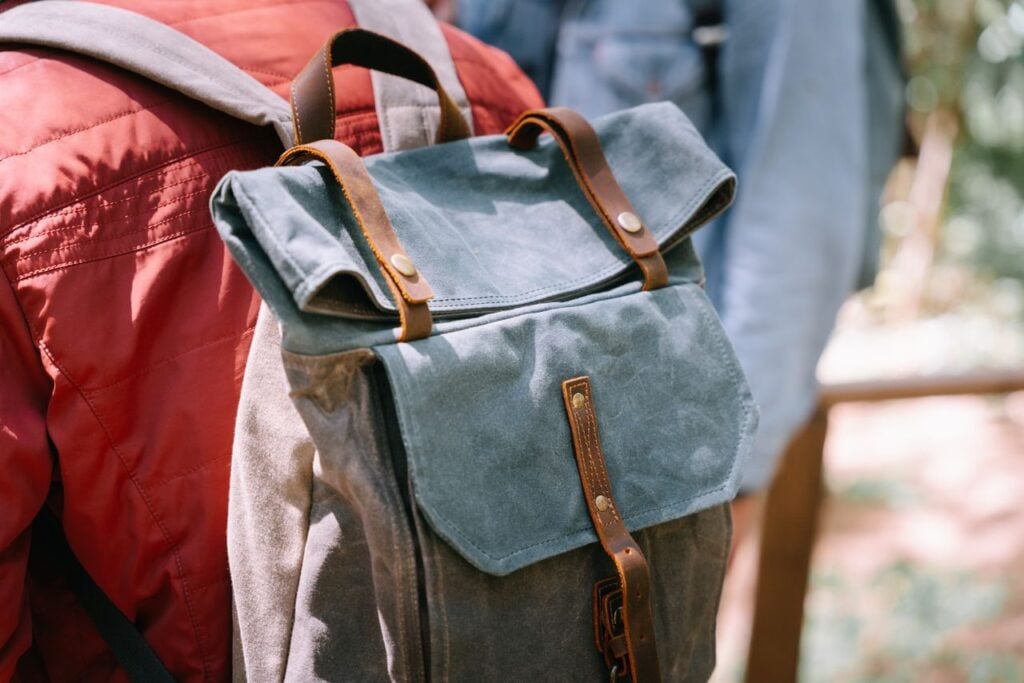
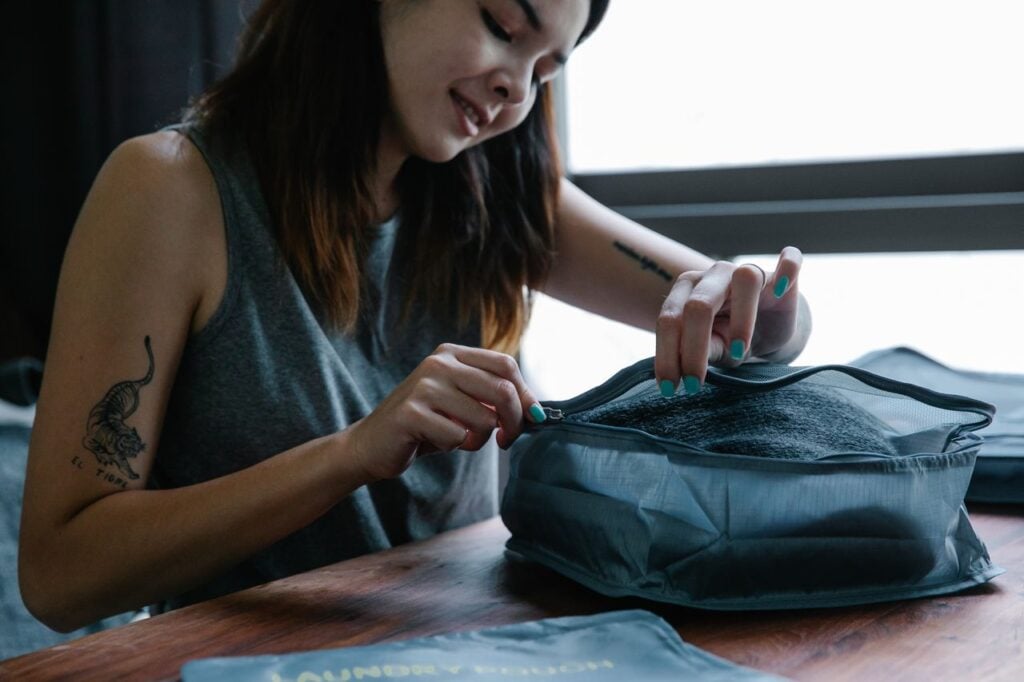
Don’t overlook the wall of backpacks and bags. A sturdy backpack can become a grab-and-go emergency bag, while duffels and totes can hold extra clothing, blankets, pet supplies or other emergency essentials in one place.
9. Buckets and Storage Containers
Buckets with lids, sturdy plastic bins and other containers can be useful for organizing emergency supplies, carrying things, collecting water or handling cleanup. Don’t assume a secondhand bucket is food-safe or suitable for drinking water just because it looks clean, especially if you don’t know what was previously stored inside.
10. Thermoses and Insulated Containers
A quality insulated thermos can keep drinks or soup hot for hours without requiring electricity. Check the lid, seal and interior carefully before buying, and you may find an older, heavy-duty model for considerably less than a comparable new one.
11. Reusable Water Bottles and Jugs
Stainless steel bottles, insulated bottles and sturdy water jugs are another section worth browsing. They’re useful for everyday life and emergency kits, although secondhand filter bottles should get a new compatible filter rather than relying on an unknown used one.
12. Hand Tools
Hammers, screwdrivers, adjustable wrenches, pliers, hand saws and other basic tools don’t require electricity and can remain useful for years. Older, well-made tools can be particularly worthwhile thrift finds when they’re still in solid working condition.
13. Garden Tools and Supplies
Shovels, hoes, rakes, hand trowels, pruning tools, watering cans and even occasional rolls of fencing can all have a place in a preparedness-minded household. These become especially useful if you’re already growing food or want the ability to expand a garden later.
14. Sewing and Clothing Repair Supplies
Needles, thread, fabric, buttons, scissors and basic sewing supplies don’t take up much room, but they give you the ability to repair clothing instead of replacing it. Goodwill can also be a good place to find inexpensive fabric through old sheets, curtains and other textiles rather than buying yardage new.
15. Canning Jars and Food-Preservation Equipment
Canning jars, canning pots and other food-preservation equipment can be expensive when purchased all at once, so secondhand finds can help build a collection gradually. Inspect jars carefully for chips and cracks, and use new lids when the canning method requires them rather than relying on previously used disposable lids.
16. Maps, Reference Books and How-To Guides
Paper maps don’t need a cell signal, while books on gardening, first aid, home repair, food preservation, cooking and other practical skills can remain useful when you can’t immediately look something up online. You may also find educational books, workbooks, puzzles and board games that can keep kids occupied during a long outage.
17. Towels, Rags and Old Linens
Cheap towels, washcloths, sheets and other washable linens can be kept specifically for emergency cleanup rather than sacrificing your good household linens. Old sheets can also serve as drop cloths, makeshift coverings or general-purpose fabric, making this one of those inexpensive categories with dozens of possible uses.
18. Baskets, Crates and Emergency-Supply Organizers
Baskets, crates, small bins and sturdy containers can help turn a random pile of emergency supplies into something you can actually find when you need it. Use separate containers for things like lighting, cooking supplies, cold-weather gear and evacuation essentials so you’re not searching through the entire house during an outage.