Spring and summer bring some of the most beautiful blooms of the year, but for many people, they also bring constant sneezing, itchy eyes, and a never-ending runny nose.
The tricky part is that many of the worst offenders don’t look like a problem at all. Some of the most eye-catching, colorful flowers can release pollen that easily travels through the air, making symptoms even harder to avoid.
If you or someone in your home struggles with seasonal allergies, it helps to know which flowers might be making things worse. Here are 10 beautiful blooms that can quickly turn allergy season into a nightmare.
Daisies (Bellis perennis)
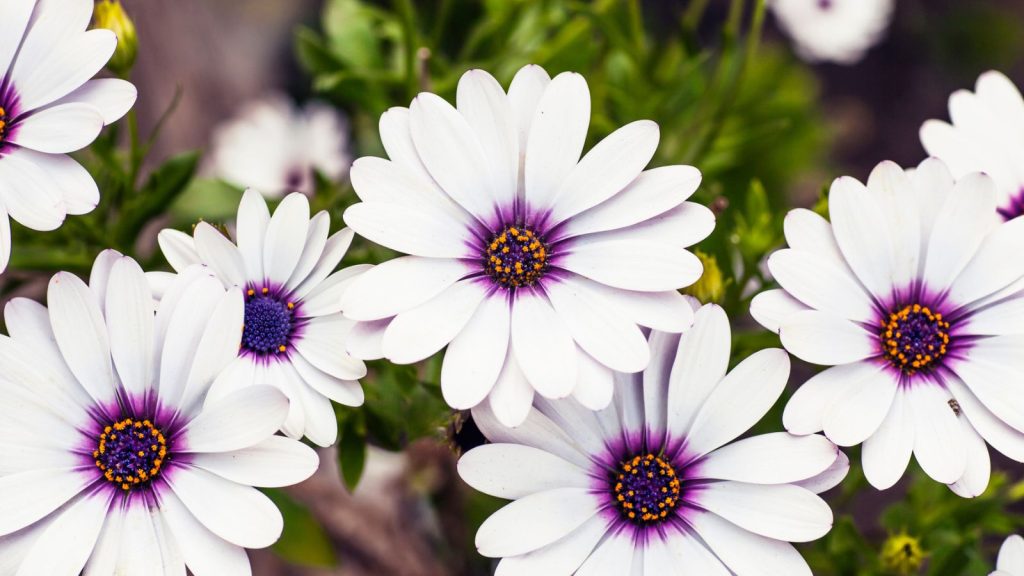
The pollen of dainty daisy flowers is light and easily airborne, leading to high pollen counts from spring through to late summer. If you have daisies on your lawn, regular mowing can help keep the blooms to a minimum. However, it can be hard to avoid daisies altogether, as the pollen can blow in from neighboring gardens and fields.
Marigolds (Tagetes spp.)
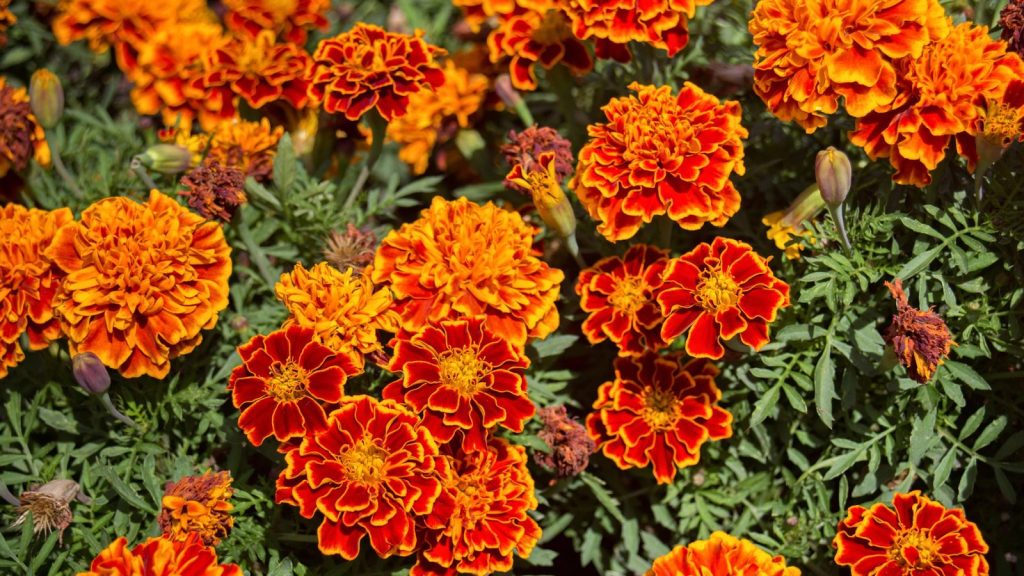
Marigolds are the superheroes of companion planting, bringing a huge range of benefits wherever they are planted. Unfortunately, these bright, cheerful flowers are packed full of pollen, which triggers sneezing, nasal congestion, and itchy eyes in allergy sufferers. If growing
Dahlias (Dahlia spp.)

With their intricate and diverse blooms, dahlias are a firm favorite in ornamental gardens and cut flower bouquets. However, dahlias release a substantial amount of pollen, particularly in late summer and fall. This can aggravate allergies and lead to sneezing, runny noses, and itchy eyes.
Asters (Aster spp.)

Asters are late-blooming perennials known for their star-shaped flowers in shades of purple, pink, and white. While they add beauty to fall gardens, their pollen can cause symptoms such as sneezing, nasal congestion, and itchy eyes.
Along with the first five plants on our list, asters are part of the Asteraceae family, one of the largest families of flowering plants and a common source of pollen allergies.
15 Pretty Purple Annuals To Add a Touch of Drama to Your Garden
Ragweed (Ambrosia artemisiifolia)

Unlike most of the other flowers on our list, ragweed is not typically used in bouquets but is commonly found in gardens and wild areas. It is notorious for its highly allergenic pollen, a major cause of hay fever in late summer and fall.
Ragweed pollen can trigger severe allergic reactions far from its source, with symptoms including sneezing, a runny nose, itchy eyes, and asthma.
Zinnias (Zinnia spp.)
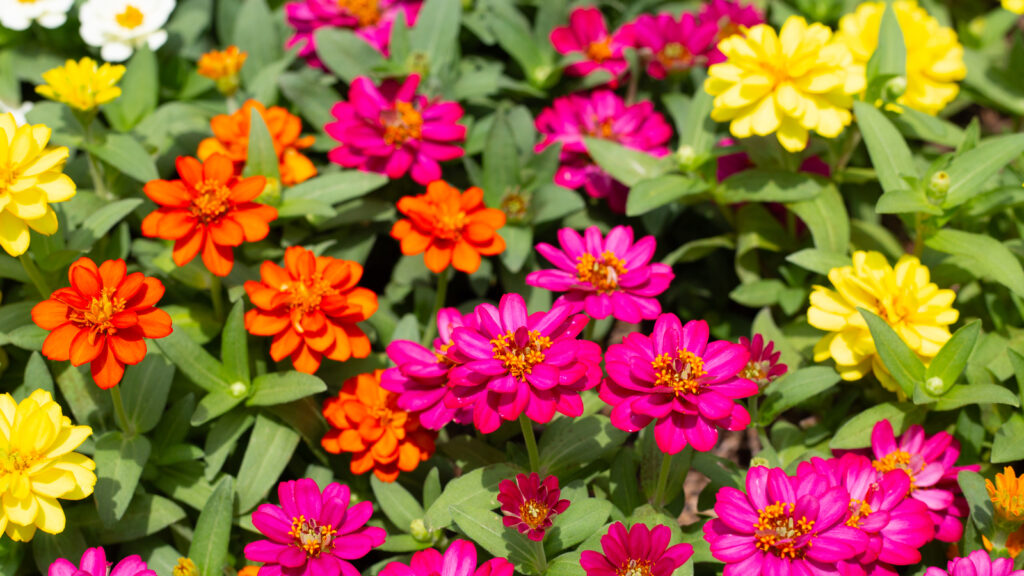
Zinnias are popular in floral gardens because their bright, bold flowers attract bees and butterflies. However, zinnias produce large amounts of allergy-triggering pollen, which can cause sneezing, itchy eyes, and nasal congestion in hay fever sufferers.
Baby’s Breath (Gypsophila spp.)
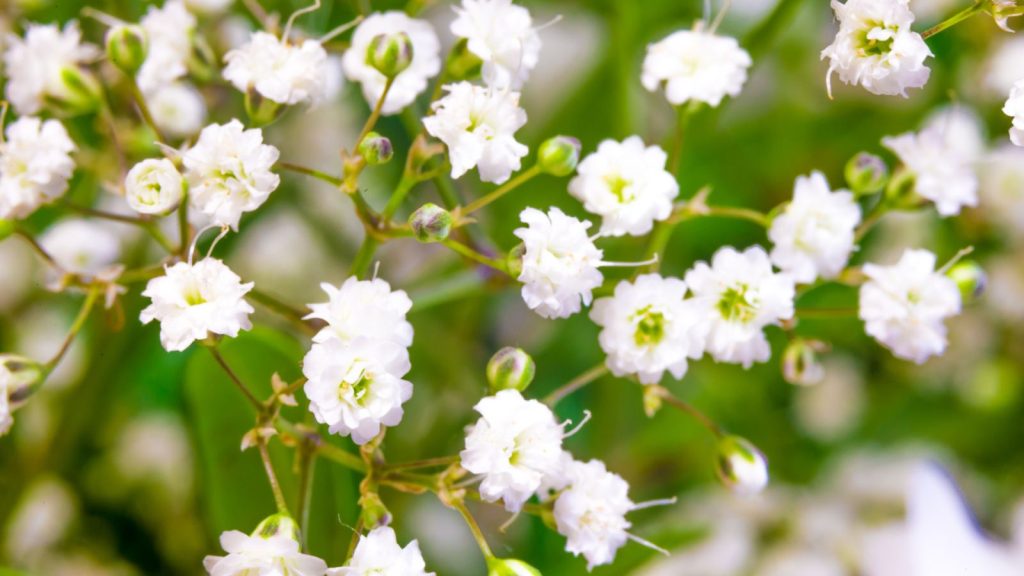
With its multitude of tiny white blooms, Baby’s Breath is a popular choice as a bouquet filler. Each little flower is loaded with pollen, ready to become airborne at the slightest touch. Many people mistakenly believe they are allergic to roses, as the two are often paired together in cut flower arrangements.
Goldenrod (Solidago spp.)

Like ragweed,
Amaranth (Amaranthus spp.)
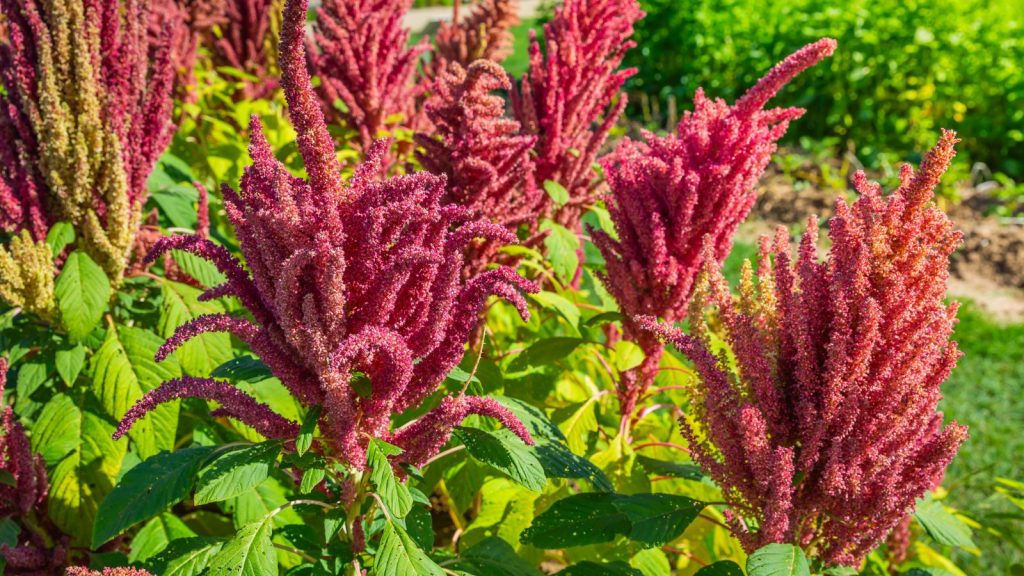
Amaranth, known for its striking flower spikes, produces large amounts of pollen that can cause significant allergic reactions. Blooming from summer to fall, amaranth pollen is wind-dispersed and can lead to symptoms like sneezing, itchy eyes, and shortness of breath.
Peruvian Lilies (Alstroemeria spp.)

Peruvian Lilies are popular in floral arrangements due to their vibrant colors and long vase life. Blooming throughout the summer, these beautiful flowers release a moderate amount of pollen that can cause allergic symptoms such as sneezing, itchy eyes, and skin irritation upon contact.