Running a household used to mean knowing how to do a little bit of everything. People learned these skills from parents, grandparents, neighbors, and plenty of trial and error. They weren’t hobbies or special talents. They were simply part of everyday life.
Many of our grandparents knew how to make a grocery budget stretch, take care of the things they owned, cook with what was available, and keep up with the endless list of chores that came with running a home. They didn’t have a gadget or service for every little task, so they learned to figure things out themselves.
Life is different now, but a lot of those old household skills still make sense. They can save money, cut down on waste, and make everyday chores feel less overwhelming. Here are 11 skills from the past that are worth keeping around.
Meal Planning and Pantry Management
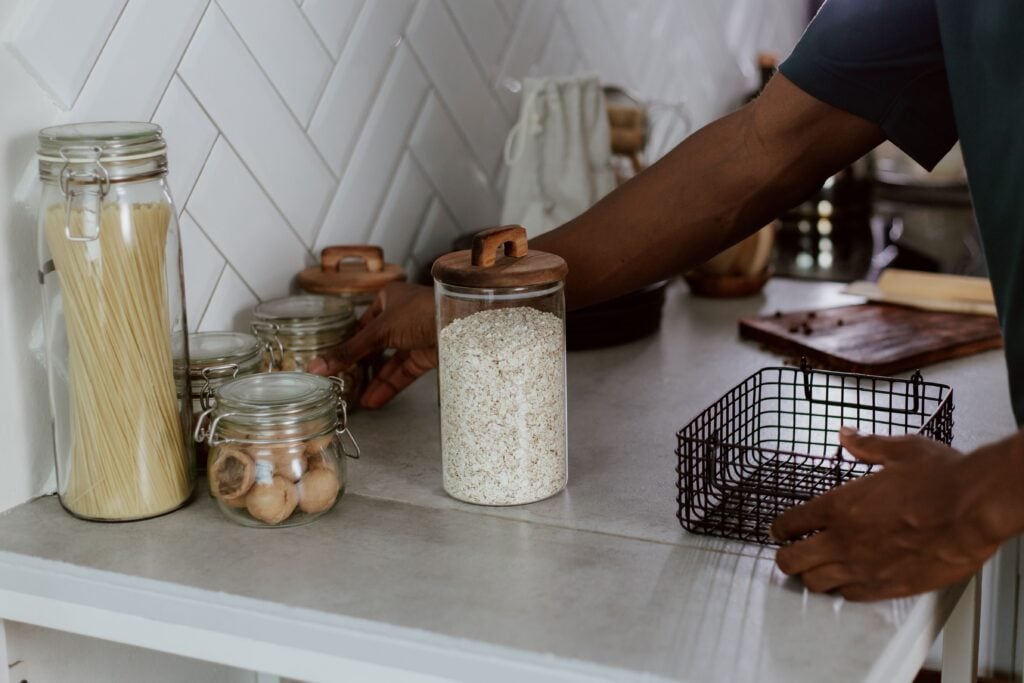
People didn’t always decide what to eat at 5 p.m. and then make a rushed trip to the grocery store. They often knew what was in the pantry and planned meals around the food they already had.
Keeping track of staples meant fewer forgotten cans and less food going to waste. It also made grocery shopping easier because there was a plan before heading to the store.
A quick pantry check can still save a surprising amount of money today.
Related: 14 Everyday Household Skills Most People Were Never Taught
Basic Budgeting and Avoiding Debt
Managing money was a regular part of running a household. Families had to know how much money was coming in and where it was going.
Housing, groceries, clothing, bills, savings, and other expenses all had to fit within the available income. Keeping spending under control also meant thinking twice before taking on another payment.
That basic habit still helps. Knowing where your money goes makes it easier to spot unnecessary spending and plan for larger expenses.
Cleaning as Ongoing Maintenance
A clean house didn’t come from one massive cleaning day every few weeks. A lot of it came from doing small jobs throughout the day.
Beds were made in the morning. Dishes were dealt with after meals. Floors were swept when they needed it. Counters were wiped down before the kitchen was considered finished for the day.
Those little jobs kept dirt and clutter from piling up. Spending a few minutes here and there can be much easier than facing a whole house that needs cleaning at once.
Related: 15 Basic Survival Skills Worth Knowing Before an Emergency
Natural Household Remedies and First Aid
Families once kept a basic knowledge of herbs, teas, salves, and other traditional remedies for minor everyday discomforts.
Some of those practices are still used today, while others have little evidence behind them or aren’t safe for every situation. Modern medicine is the right choice for serious symptoms, injuries, infections, and anything that needs medical attention.
The useful lesson from older households is knowing when a simple home remedy is reasonable and when it’s time to call a doctor.
Laundry Skills Beyond the Machine
Laundry used to take more work than throwing everything into a washing machine and hoping for the best.
People separated delicate fabrics, treated stains, washed certain pieces by hand, and hung clothing to dry. Some garments were ironed or pressed instead of being pulled straight from the dryer.
Knowing how to care for different fabrics can help clothes last longer. It can also save money by keeping you from replacing something just because it looks worn after a few washes.
Related: 12 Practical Skills Previous Generations Learned That Many Don’t Today
Gardening for Food
A small garden could put fresh herbs, greens, and vegetables on the table without another trip to the grocery store.
You didn’t need a huge backyard, either. A few containers on a patio can produce herbs, tomatoes, peppers, or greens. Growing food also teaches you to pay attention to seasons, weather, soil, and what plants need to thrive.
For families who grew their own food, gardening was simply part of providing for the household.
Making Use of Leftovers
Food was too expensive and time-consuming to waste, so leftovers often became tomorrow’s meal.
Roast chicken could become soup or sandwiches. Extra vegetables could go into a casserole. Stale bread could become breadcrumbs or stuffing.
This kind of cooking takes a little creativity, but it can make a noticeable difference in the grocery budget. It also means fewer half-used ingredients sitting in the refrigerator until they have to be thrown away.
Home Organization Systems
People didn’t need matching storage bins for every room to keep things organized. They simply gave everyday items a regular place.
Hooks near the door could hold coats and bags. Jars could hold small hardware. Linens had their own shelves. Cleaning supplies stayed together instead of being scattered around the house.
Simple systems like these prevented clutter from spreading.
The idea is still useful today. If something has a place to go, it’s much easier to put it away.
Basic Home Repairs
Not every loose hinge or small hole meant calling someone for help.
People learned how to tighten screws, replace simple hardware, patch small holes, fix minor leaks, and take care of basic household maintenance. They also knew when a repair was beyond their abilities.
Learning a few basic repair skills can save money and keep small problems from getting worse. It also feels good to know you can handle a few things around your own home.
Teaching Children to Contribute
Children were often expected to help with household chores as part of family life.
The jobs changed with age. Younger children might put away toys or help set the table, while older kids could handle laundry, dishes, yard work, or other regular tasks.
Chores taught children that keeping a home running was something everyone shared. It also gave them practical skills they would eventually need in their own homes.
Keeping a Well-Stocked Emergency Supply
Older households often kept a few basic supplies on hand because running to the store wasn’t always an option.
Extra pantry staples, candles, matches, flashlights, preserved food, and basic first-aid supplies could make an unexpected situation easier to handle.
You don’t need a basement packed from floor to ceiling. A small supply of things your household actually uses can be enough to get through a power outage, bad weather, or an unexpected trip when the stores aren’t easily accessible.
Many of these old household habits came down to one basic idea: take care of what you have, plan ahead, and learn how to handle everyday problems yourself. Those habits still have a place in a modern home.