Some household skills used to be passed down from one generation to the next. People knew how to mend a torn shirt, stretch leftovers into another meal, preserve garden produce, and handle basic chores without relying on a store-bought solution for every little problem.
A lot of that practical knowledge has faded as appliances, convenience foods, and ready-made products have become part of everyday life. There’s nothing wrong with using modern conveniences, but knowing how to do a few things yourself can still come in handy.
These old-fashioned homemaking skills can help cut waste, save money, make better use of what you already have, and give you more options when something doesn’t go according to plan.
Ironing Clothes
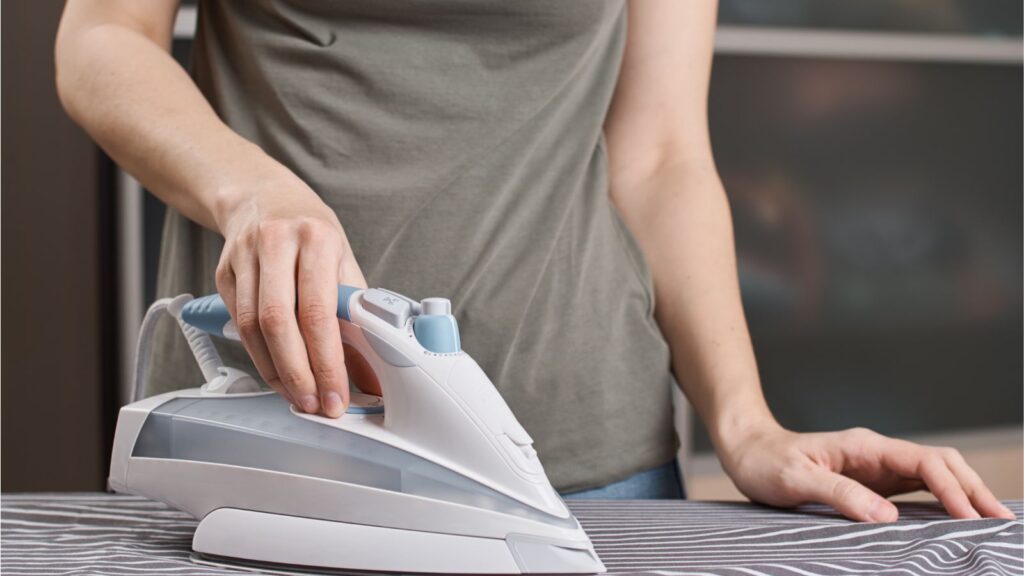
Ironing used to be a regular part of doing laundry. Before wrinkle-resistant fabrics and handheld steamers became common, people pressed their clothes with a traditional iron to keep shirts, dresses, trousers, and other garments looking neat.
You probably don’t need to iron everything in your closet today, but knowing how to do it properly can still be useful. A good press can make work clothes look much better and can give secondhand or vintage clothing a fresh appearance.
Learning the right temperature for different fabrics also helps prevent scorching, shiny spots, and other damage.
Related: 10 Common Household Items That Can Ruin Your Plumbing
Home Gardening
Growing some of your own food was once an ordinary part of keeping a household running. A backyard garden could provide tomatoes, beans, lettuce, herbs, squash, berries, and other produce during the growing season.
You don’t need acres of land to get started. A few containers on a patio or a small garden bed can produce a surprising amount of food.
Gardening also gives you a better idea of how much work goes into growing the food you buy at the store. Learning to save seeds, compost kitchen scraps, and grow herbs can make the skill even more useful.
Baking Bread From Scratch
Homemade bread was a weekly staple in many households long before grocery stores offered dozens of varieties. Families often made several loaves at a time because baking at home was a practical way to keep bread on the table.
Making bread today can be a little intimidating at first, especially if you’re unfamiliar with yeast and dough. Once you get the hang of it, though, the process becomes much more manageable.
You can also control what goes into the loaf, from the type of flour to the amount of sugar and salt. A basic homemade loaf can be inexpensive, filling, and far more satisfying than a loaf that has been sitting on a store shelf.
Related: 15 Household Items You Should Sell Instead of Donate
Candle Making
Candles were once a household necessity because families depended on them for light after dark. People made them from materials such as beeswax and rendered animal fat.
Today, candle making is mostly a hobby, but the skill still has practical uses. Homemade candles can provide an extra source of light during a power outage and make inexpensive gifts for friends and family.
Learning the basics also gives you the option of making candles from materials you already have rather than buying a new one every time you want a particular scent or size.
Canning and Preserving Food
A good harvest used to mean a lot of work after the vegetables and fruit came out of the garden. Families canned tomatoes, pickles, jams, fruits, sauces, and other foods so their harvest could last well beyond the growing season.
Home canning can still be a great way to reduce food waste and stock your pantry with foods you grew yourself or bought in season.
Food safety matters a lot here. Canning isn’t a skill to learn by guessing at recipes or processing times. Use tested recipes and current food-safety guidance, especially for low-acid foods such as vegetables, meats, and beans.
Related: How I Stretch Our Household Budget Without Feeling Deprived
Hand Washing Clothes
A washing machine makes laundry much easier, but there are times when knowing how to wash clothes by hand can save the day.
Delicate clothing, small loads, travel laundry, and garments that need special care can often be handled in a sink or basin. Hand washing can also come in handy during a power outage or when you’re somewhere without access to a washer.
The basic process is fairly simple: use the right detergent, gently work the fabric, rinse thoroughly, and remove excess water without twisting delicate garments too aggressively.
Sewing
Sewing was once a basic household skill rather than a specialized hobby. A loose button or torn seam wasn’t necessarily a reason to throw something away.
Knowing a few basic stitches can still save money. You can replace buttons, repair small tears, fix hems, and patch worn areas instead of immediately replacing the item.
You don’t need to become an expert seamstress. A needle, thread, scissors, a few spare buttons, and some basic mending skills can handle many everyday clothing repairs.
Related: 12 Household Items People Hang Onto Longer Than They Should
Cooking From Scratch
Convenience foods have made it easy to get dinner on the table, but knowing how to cook from basic ingredients gives you far more options.
Older generations often worked with inexpensive staples such as rice, beans, potatoes, flour, eggs, seasonal vegetables, and whatever meat was available. A few simple ingredients could become a filling soup, casserole, stew, loaf of bread, or skillet meal.
Cooking this way can also make it easier to manage your grocery budget. Once you know a handful of basic techniques, you can make meals without depending on a recipe for every step.
Making Use of Leftovers
Throwing away yesterday’s dinner wasn’t always an option. Families learned how to turn leftover ingredients into something that felt like a new meal.
Roast chicken could become soup or sandwiches. Extra vegetables could go into a frittata or stew. Stale bread could become breadcrumbs, croutons, or stuffing.
This is a simple skill, but it can make a real difference in how much food gets thrown away. Before tossing leftovers, take a look at what you have and think about how it could fit into tomorrow’s meal.
Dehydrating Foods
Drying food was one of the oldest ways to preserve a harvest before modern refrigerators and freezers became common.
Fruits, vegetables, herbs, and certain meats can be dehydrated when handled and stored correctly. Removing moisture makes food much easier to store and can greatly reduce its volume.
Today, an electric dehydrator makes the process easier, but you can still learn the basic principles behind drying food. Dried apples, herbs, tomatoes, peppers, and other foods can become useful pantry ingredients.
Proper drying and storage matter because food that retains too much moisture can spoil.
Foraging for Wild Foods
Knowing which plants were safe to eat was once useful knowledge for people living close to forests, fields, and other natural areas. Wild berries, nuts, greens, mushrooms, and herbs could supplement what a family grew or purchased.
Foraging isn’t something to learn casually. Many edible plants have poisonous look-alikes, and some plants can cause serious illness if eaten.
If you’re interested in this skill, start with a reputable local field guide or an experienced instructor who can teach you how to identify plants accurately. Learning a few unmistakable edible species is much safer than trying to identify dozens at once.
Natural First Aid
Families once kept a basic collection of household remedies for minor cuts, bruises, sore throats, and other everyday complaints. Some used herbs, teas, salves, or other traditional treatments that had been passed down through the family.
Some traditional remedies can still be useful for comfort, but they shouldn’t replace proper medical care. Knowing basic first aid, keeping a well-stocked first-aid kit, and knowing when an injury needs professional attention are far more useful than relying on an unproven home remedy.
Learning how to clean a minor wound, apply a bandage, recognize signs of infection, and handle common household injuries can give you practical skills you’ll use far more often.
Soap Making
Before commercially produced soap became inexpensive and widely available, families often made their own. Traditional soap making commonly involved rendered fats and lye, along with other ingredients depending on the recipe.
Modern soap making can be a fun way to create bars with particular scents, oils, and textures. It can also give you a better appreciation for how everyday products are made.
There is a serious safety issue to keep in mind: lye is caustic and can cause severe burns. Anyone making soap with lye needs proper equipment, careful measurements, good ventilation, and a reliable recipe. It’s a skill worth learning properly rather than improvising.
Making Herbal Tea
Growing herbs for cooking and tea was once a common part of keeping a household garden. Mint, chamomile, lemon balm, and other herbs could be dried and stored for later use.
Making your own herbal tea is still an easy skill to pick up. Fresh or dried herbs can be combined in different ways depending on the flavor you like.
Herbal teas can be pleasant and comforting, but they shouldn’t be treated as a cure for medical conditions. Some herbs can also interact with medications or be unsuitable for certain people, so it’s smart to check before using them for health purposes.
These skills may look old-fashioned, but many still have a place in modern homes. You don’t need to give up your appliances or start living like it was a century ago. Knowing how to repair, preserve, cook, grow, and make a few basic things yourself simply gives you more choices when you need them.