If your grocery total keeps getting bigger every time you reach the checkout, it may not be the rising cost of food alone. A lot of extra spending comes from small choices that don’t seem like a big deal at the time.
Maybe you grab the pre-cut fruit because you’re short on time. Maybe you toss a drink into your cart because it’s cold and right there by the register. Or maybe that sale price looks great until you compare it with the regular price of another brand.
Most grocery overspending doesn’t happen because of one huge purchase. It’s the little extras that keep showing up week after week. Here are some common grocery shopping choices that can leave you spending more than you planned.
1. Buying Pre-Cut Produce
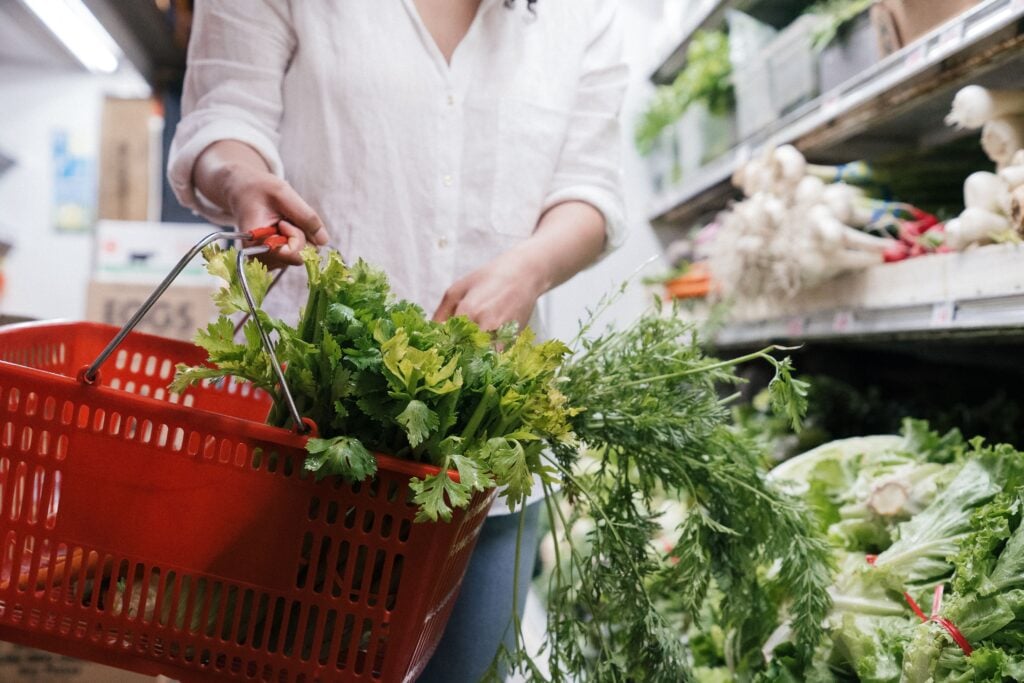
Pre-sliced fruit, chopped onions, and cubed butternut squash can save time, but that convenience comes with a higher price.
A whole melon or onion usually costs less than one that’s already been cut up. If you have a few extra minutes at home, doing the prep yourself can save quite a bit over time.
Related: Grocery Shopping Hacks People Swear Actually Work
2. Letting Free Samples Convince You
Free samples can be fun, but they can also lead to purchases you never planned.
You try a bite, like it, and suddenly there’s a full-size package in your cart. If the item wasn’t on your list before you walked in, give yourself a minute before buying it.
3. Buying Out-of-Season Produce
Strawberries in the middle of winter or asparagus late in the fall can come with a much higher price tag.
Seasonal produce is often cheaper because there’s more of it available. It also tends to taste better when it’s naturally in season. If something seems unusually expensive, check what’s in season instead.
Related: 14 Things Shoppers Dread The Most About Grocery Shopping
4. Not Checking What You Already Have
It’s easy to buy another jar of pasta sauce when you don’t remember what’s sitting in the pantry.
Before heading to the store, take a quick look through the fridge, freezer, and pantry. You might find you already have several things on your shopping list.
This can also help prevent food from sitting around until it expires.
5. Walking In Without a List
Going grocery shopping without a list makes it much easier to buy things you don’t need.
You might remember the basics, but then you start wandering through the aisles and picking up whatever looks good. A short list gives you something to stick to and can make a big difference in how much ends up in your cart.
6. Buying Bottled Water
If your tap water is safe to drink, bottled water can be a costly habit.
A reusable bottle and a basic water filter can cost much less over time. Buying case after case of individual bottles also means you’re paying for packaging and convenience.
7. Grabbing Refrigerated Drinks Near the Checkout
That cold soda, tea, or juice sitting near the checkout can be tempting, especially when you’re tired and ready to leave.
The problem is that a single cold drink can cost almost as much as several bottles in a larger package from elsewhere in the store. If you’re already buying drinks, check the beverage aisle first.
8. Only Looking at Eye-Level Shelves
The products directly in front of you aren’t always the cheapest.
Look at the shelves above and below eye level. Stores often place store brands and less expensive options somewhere other than the most convenient spot. A few extra seconds of looking can sometimes knock a noticeable amount off your total.
Related: The Grocery Shopping Habit People Are Using to Make Food Stretch Further
9. Paying More for Brand Names
A familiar brand name can make a product feel like the safer choice, but the store brand may be just as good for a lot less money.
Compare the ingredients, size, and price before automatically reaching for the brand you recognize. For everyday staples, switching to a store brand can save money without changing much about your meals.
10. Buying Small Packs of Diapers
If you buy diapers regularly, focus on the cost per diaper instead of the package price.
A smaller package may look cheaper at first, but the individual diapers can cost more. Larger packages can make sense if you know you’ll use them, especially when they’re on sale or sold at a warehouse store.
11. Buying Oversized Spice Containers
Buying spices in large containers isn’t always a bargain.
Spices can sit in your pantry for months or years, and their flavor gradually fades. If you rarely use paprika, cinnamon, or another spice, a smaller container may be the better buy.
There aren’t much savings in buying a huge container if you end up throwing half of it away.
12. Not Buying Certain Staples in Bulk
Buying in bulk isn’t right for everything, but it can save money on foods you use regularly.
Coffee, rice, pasta, canned goods, and other pantry staples can be cheaper in larger quantities. Check the unit price instead of assuming the larger package is cheaper, then stock up when the numbers actually make sense.
You can find more ways to lower your grocery costs here: grocery bill.
13. Falling for Checkout Lane Impulse Buys
Candy, gum, chips, drinks, and magazines are common checkout temptations.
They’re easy to grab because you’ve already shopped and you’re waiting in line. One $2 or $3 purchase doesn’t feel like much, but several each week can add up.
If you’re trying to stick to your budget, treat the checkout area as a place to wait, not another section of the store.
14. Picking Up Fresh Flowers Every Week
Fresh flowers can make the house feel nice, but weekly bouquets can become an expensive habit.
Many grocery store flowers also don’t last very long. If you enjoy having flowers around, look for longer-lasting varieties, grow some yourself, or buy inexpensive flowers when they’re marked down.
15. Buying Magazines at Full Price
Picking up a magazine at the checkout can be an easy impulse purchase, especially if you like the cover story.
But if you read the same publication regularly, a subscription may cost less per issue. You can also check your local library to see whether it carries the magazines you enjoy.
16. Shopping While Hungry
Shopping on an empty stomach makes it much harder to ignore food you weren’t planning to buy.
Suddenly the bakery smells amazing, the snack aisle looks tempting, and that ready-made meal seems like a great idea. Eating something before you shop can make it easier to stick to your list and avoid those extra purchases.
17. Ignoring Coupons and Store Discounts
You don’t have to spend hours clipping coupons to save money at the grocery store.
Many stores now have digital coupons, loyalty prices, weekly specials, and app-only discounts. A quick check before shopping can help you find lower prices on things you’re already planning to buy.
Just don’t let a coupon convince you to buy something you wouldn’t have purchased otherwise. Saving $1 on an item you don’t need still means spending money.