It’s easy to get into the habit of putting almost everything in the refrigerator. If something is perishable, it goes in the fridge. But that isn’t always the best place for every food in your kitchen.
Some foods can lose their flavor or texture in cold temperatures. Others need time to ripen, and putting them in the fridge too soon can slow the process. A few can even develop an unpleasant texture after spending too much time in the cold.
That doesn’t mean you should leave everything sitting on the counter. Perishable foods still need proper storage, and once certain fruits or vegetables are cut or fully ripe, the fridge can be the right place for them.
Here are some common foods that are usually better off at room temperature.
Avocado
An unripe avocado is better off on the counter. Refrigerating it too early can slow down the ripening process, leaving you waiting longer for that soft, creamy texture.
Once it’s ripe, you can move it to the refrigerator if you aren’t ready to eat it. Refrigerate cut avocado, preferably in an airtight container or well covered, to slow browning.
Related: 10 Things Food Pantries Wish More People Knew Before Visiting
Potatoes
Whole, unpeeled potatoes generally don’t belong in the refrigerator. Cold temperatures can turn some starch into sugar, which can affect both flavor and how the potatoes cook.
Where to Store: Keep potatoes in a cool, dry, well-ventilated spot such as a pantry or cellar. Keep them away from onions and certain fruits, which can speed up sprouting.
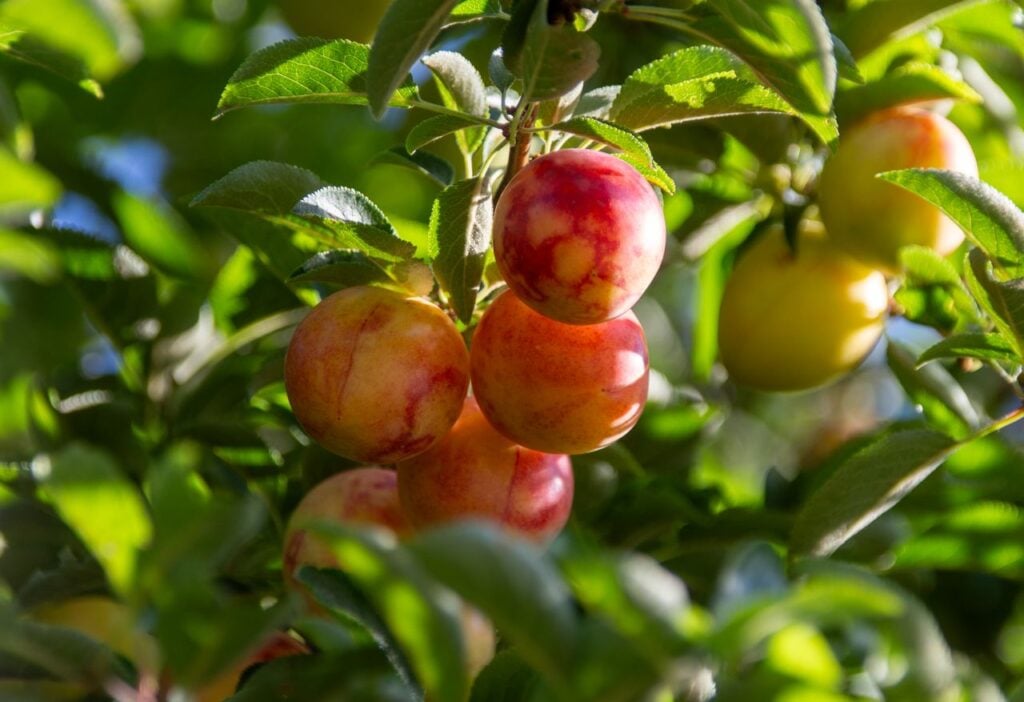
Plums
Unripe plums can stay on the counter while they soften. They need room temperature to finish ripening and develop their usual sweet flavor.
Once they’re ripe, you can put them in the refrigerator to slow things down and give yourself a few extra days to eat them.
Pears
Pears are another fruit that can finish ripening on the counter.
Gently check near the stem. If they have a little give and smell sweet, they’re probably ready to eat. Once sliced, put pears in the refrigerator in an airtight container.
Apples
Apples can be kept on the counter for a while, especially if you plan to eat them soon. They can often stay fresh at room temperature for up to a couple of weeks, depending on the variety and your kitchen conditions.
If you have more apples than you can eat in that time, the refrigerator is a better choice. Cold storage can help them last much longer.
Basil
Fresh basil is one of those herbs that can look perfectly fine when you buy it and then turn black and limp after a short stay in the refrigerator.
Basil is sensitive to cold temperatures, so it usually does better at room temperature. Treat it like a small bouquet: keep the stems in a glass of water and change the water regularly.
Mango
An unripe mango should stay on the counter while it finishes ripening. Putting it in the refrigerator too soon can slow the process and leave you with firm fruit that doesn’t have much flavor.
Once the mango is ripe, refrigeration can help it last a little longer. If you’ve already cut it, keep the pieces in a covered container in the refrigerator.
Bananas
Bananas are tropical fruits, so cold temperatures aren’t their favorite.
Putting bananas in the refrigerator can cause the peel to turn dark or black. The fruit inside can still be perfectly good, but the texture and ripening process can change.
Where to Store: Keep unripe bananas at room temperature until they reach the ripeness you like. Once they’re ripe, you can refrigerate them for a few extra days if needed. The peel may darken, but the inside can still be used.
Related: 11 Reasons Banana Peels Are the Secret Ingredient Your Garden Needs
Persimmons
Persimmons continue to ripen after they’re picked, so keeping them on the counter is usually best while they’re still firm.
Let them soften at room temperature until they reach your preferred texture. Once they’re ripe, you can move them to the refrigerator for a short period to slow further softening.
Chocolate
Chocolate usually doesn’t need to be refrigerated.
Cold storage can expose it to moisture and temperature changes, which can lead to blooming. That’s when you see a white or grayish coating develop on the surface. Bloomed chocolate is generally safe to eat, but the texture and appearance may not be quite the same.
A cool, dry cupboard away from sunlight is usually best.
Cooking Oils
Most cooking oils are happier in a cool, dark cabinet than in the refrigerator.
Cold-pressed oils such as olive and avocado oil can become cloudy or thicken when chilled. That doesn’t necessarily mean they’ve gone bad, but it can make them less convenient to use.
Keep cooking oils tightly closed in a dark pantry or cabinet, away from the stove and direct sunlight.
Related: 14 Odd, But Useful Olive Oil Hacks That Actually Work
Garlic
Whole, unpeeled garlic generally does better in a cool, dry, well-ventilated place than in the refrigerator.
The fridge can create conditions that encourage garlic to sprout, and those green shoots can have a sharper, more bitter flavor. A pantry or another dry area with good airflow is usually a better choice.
Once garlic has been peeled or chopped, refrigeration makes more sense.
Apricots
Unripe apricots should stay at room temperature so they can soften and develop more flavor.
Putting them in the refrigerator too early can slow that process. Once they’re ripe, though, refrigeration can help keep them from becoming overripe too quickly.
Citrus Fruits
Whole citrus fruits such as lemons and oranges can sit on the counter if you plan to use them fairly soon.
The refrigerator can make citrus last longer, so it’s useful if you’ve bought more than you can eat in a week or two. But for fruit you plan to use soon, a cool spot on the counter is perfectly fine.
Once you’ve cut citrus, refrigerate it in a covered container to keep it fresh and prevent it from drying out.