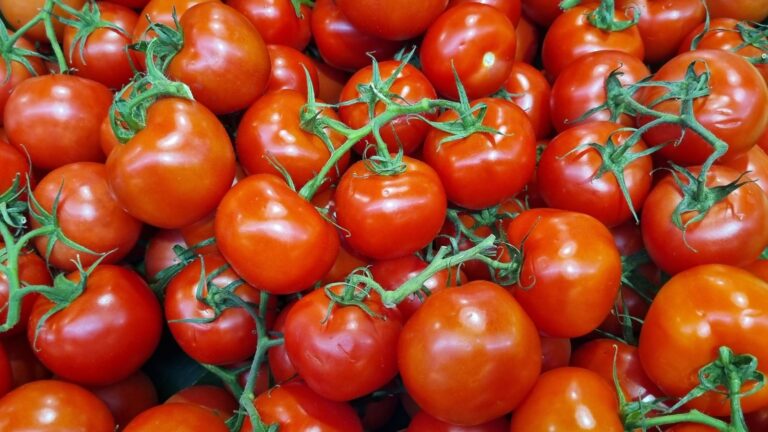
Grandpa didn’t have an app reminding him when to plant tomatoes or a shelf full of specialty products promising to fix every garden problem. Much of what he knew came from years of watching the weather, working the soil, saving what he could reuse, and learning what made plants thrive.
Some of those old-fashioned gardening habits are just as useful today. They aren’t complicated, and many don’t cost much; they’re practical lessons that come from paying attention to the garden and working with nature instead of against it.
Here are 12 gardening tips Grandpa swore by that still work today.
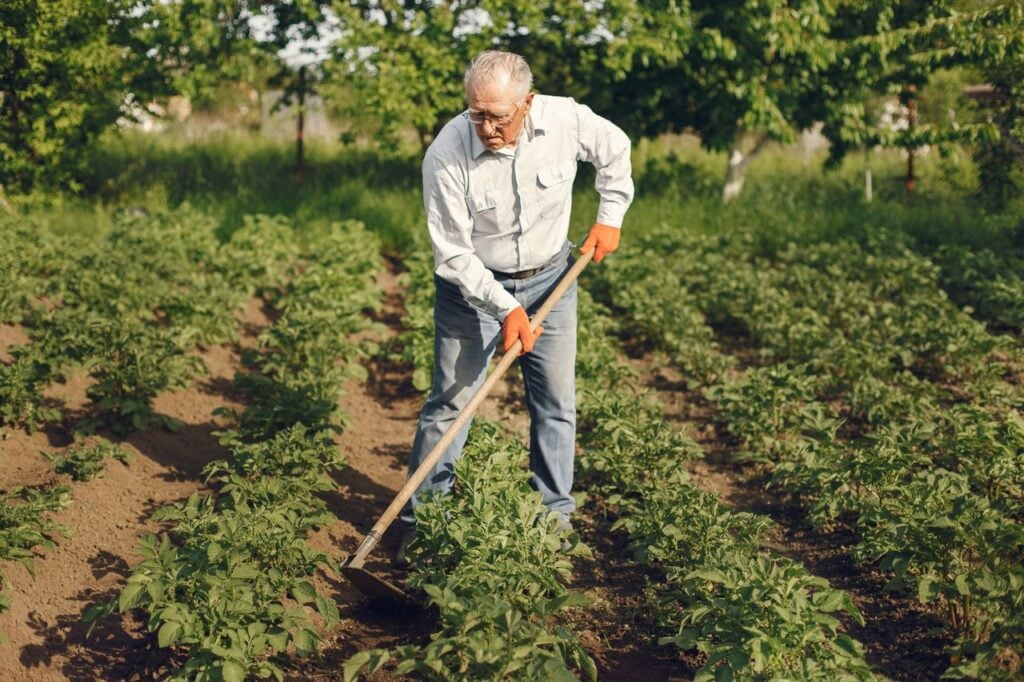
Plant With the Seasons, Not Just the Calendar
A date on the calendar doesn’t necessarily mean your garden is ready for planting, especially when temperatures can vary widely from year to year.
Pay attention to frost dates, soil temperature, and current weather conditions before planting warm-season crops such as tomatoes and peppers or cool-season favorites like peas and lettuce.
Save Seeds From Your Best Plants
Gardeners were saving seeds long before packets could be ordered online with a few clicks, and it’s still a practical way to preserve varieties you enjoy growing.
Open-pollinated tomatoes, beans, peas, and peppers are good candidates, particularly when you collect mature seeds from healthy, productive plants and store them properly for the following season.
Start Composting Before You Need It
Yesterday’s kitchen scraps, fallen leaves, and garden debris can eventually become something incredibly useful for next year’s garden. Starting a compost pile early gives organic materials plenty of time to break down into finished compost you can work into beds to improve soil structure and add organic matter.
Water Deeply Instead of Giving Plants a Quick Sprinkle
A brief splash of water may wet the soil surface without reaching much of the root zone below. Established plants generally benefit from slower, deeper watering when they need it, although how often you water should depend on the plant, weather, soil, and how quickly the ground dries.
Walk Through Your Garden Every Day
Grandpa didn’t need a garden monitoring system because walking the rows regularly told him plenty about what was happening. A few minutes spent pulling young weeds and checking for wilted leaves, insect damage, discoloration, or other changes can help you spot small problems before they become much harder to manage.
Put Eggshells to Work Instead of Throwing Them Away
Eggshells contain calcium, but they break down slowly and aren’t an instant cure for calcium-related plant problems such as blossom-end rot. Crush them finely and add them to the compost pile or soil so they can decompose gradually, rather than expecting a handful scattered around a plant to produce immediate results.
Rotate What You Grow
Growing the same crop family in exactly the same bed year after year can allow certain soilborne diseases and pests associated with those crops to build up.
When your garden space allows, rotate tomatoes and other nightshades, legumes, brassicas, root vegetables, and other crop families instead of automatically returning them to the same spot each season.
Save Your Coffee Grounds for the Compost Pile
Used coffee grounds don’t need to go straight into the trash, but they also aren’t the reliable soil acidifier they’re sometimes made out to be. Mixing moderate amounts into a compost pile with leaves and other materials is a simple way to reuse them without creating thick, compacted layers around individual plants.
Prune With Clean, Sharp Tools
A sharp pair of pruners makes cleaner cuts than a dull blade and is easier to control when you’re working around tender stems and branches. Keep garden tools clean, prune when conditions suit the plant, and avoid removing large amounts of healthy growth just because you have the pruners in your hand.
Choose Plant Neighbors With a Purpose
Companion planting is most useful when you have a practical reason for putting certain plants together, rather than relying on garden folklore alone. You might combine plants to attract pollinators and beneficial insects, use space more efficiently, provide shade, or create a more diverse garden that offers habitat throughout the growing season.
Harvest When Produce Is at Its Best
Grandpa knew there was little sense in growing good food only to leave it in the garden until it was past its prime. Harvest vegetables, fruits, and herbs when they’re at the right stage of maturity, and when possible pick tender produce during the cooler part of the day so it isn’t already sitting hot and wilted in the sun.
Related: 14 Easy Vegetables That Grow Fast Enough for a One-Month Harvest
Let a Few Plants Flower and Go to Seed
Not every plant has to be pulled the moment its main harvest is finished. Allowing selected herbs, vegetables, and flowers to bloom can provide food for pollinators and beneficial insects, while letting suitable open-pollinated plants mature further can also give you seeds to collect for another season.
Other Topics You Might Like
- 13 Gardening Antiques Collectors Love and Often Pay Up For
- I Stopped Buying Fertilizers After Years of Gardening and Started Using This Instead
- Some of the Best Gardening Tips I Ever Got That Break All the Rules
- 9 Vintage Gardening Tools Hiding in Grandma’s Potting Shed— Some Could Be Worth a Small Fortune