Hydrogen peroxide is one of those inexpensive products that can sit in a cabinet for months without getting much attention. But the standard 3% solution sold in stores can handle quite a few household jobs that have nothing to do with why many people originally bought it.
It can help with dingy grout, stubborn laundry stains, garden cleanup, and several other messes that might otherwise have you reaching for a separate product. Here are 14 unexpected ways that little brown bottle can come in handy.
Brighten Dingy Grout
Grout can gradually turn gray or discolored as dirt and residue settle into the lines between tiles. Hydrogen peroxide can help loosen some stains, making it useful when ordinary wiping doesn’t improve the appearance.
Tackle Stubborn Laundry and Blood Stains
Hydrogen peroxide can help lift certain organic stains from washable fabrics, including blood stains, which several readers specifically mentioned using it for. Use cold water for blood, and test peroxide on a hidden part of the fabric first because its mild bleaching action can affect some colors.
Related: The 9 Biggest Laundry Mistakes You’re Probably Making
Give Dingy Whites a Boost
White towels, sheets and clothes can start looking dull even when they’re regularly washed. Hydrogen peroxide can be used as a laundry booster to brighten compatible white fabrics and help remove lingering stains.
Clean Stained Cutting Boards and Food Containers
Plastic cutting boards and food containers can hold onto stains and discoloration long after washing. After removing food residue and washing normally, use hydrogen peroxide as an extra cleaning step on compatible materials before thoroughly rinsing and drying.
Deal With Small Areas of Bathroom Mold
Hydrogen peroxide can help treat small amounts of surface mold on certain nonporous bathroom surfaces. Recurring mold, large affected areas or mold growing in porous materials needs more than a quick surface treatment, particularly if there’s an underlying moisture problem.
Related: 15 Signs Your Home May Have a Mold Problem Hiding Behind the Walls
Deep-Clean Bathroom Trouble Spots
Toilet bowls, sinks, faucets and other bathroom surfaces collect stains and grime that aren’t always removed during a quick wipe-down. You can use hydrogen peroxide on compatible surfaces as part of a deeper bathroom cleaning routine.
Spot-Clean Carpet and Pet-Area Stains
Hydrogen peroxide may help lift certain stains from carpet and washable surfaces around pet areas. Because peroxide can lighten some carpet fibers and fabrics, always test it in an inconspicuous spot before treating a visible area.
Clean a Stained Mattress
Mattresses can end up with sweat, blood and other stains that can’t simply be tossed into the washing machine. You can use a small amount of hydrogen peroxide to spot-treat some stains on compatible mattress fabrics, but avoid saturating the mattress and test the fabric first.
Remove Stains From Some Light-Colored Countertops
Food and drink stains can leave marks on certain light-colored countertops even after the surface has been cleaned. Hydrogen peroxide may help lighten some of that discoloration, but check the manufacturer’s care instructions first because natural stone and specialty finishes can react differently.
Related: How to Keep Your Kitchen Countertop Clean, Clear, and Organized
Give the Refrigerator a Deeper Clean
Refrigerator shelves and drawers can collect spills, stains and food residue in corners that don’t always get much attention. After removing the food and cleaning away visible debris, hydrogen peroxide can be useful as an additional cleaning step on compatible refrigerator surfaces.
Clean Garden Tools and Old Plant Pots
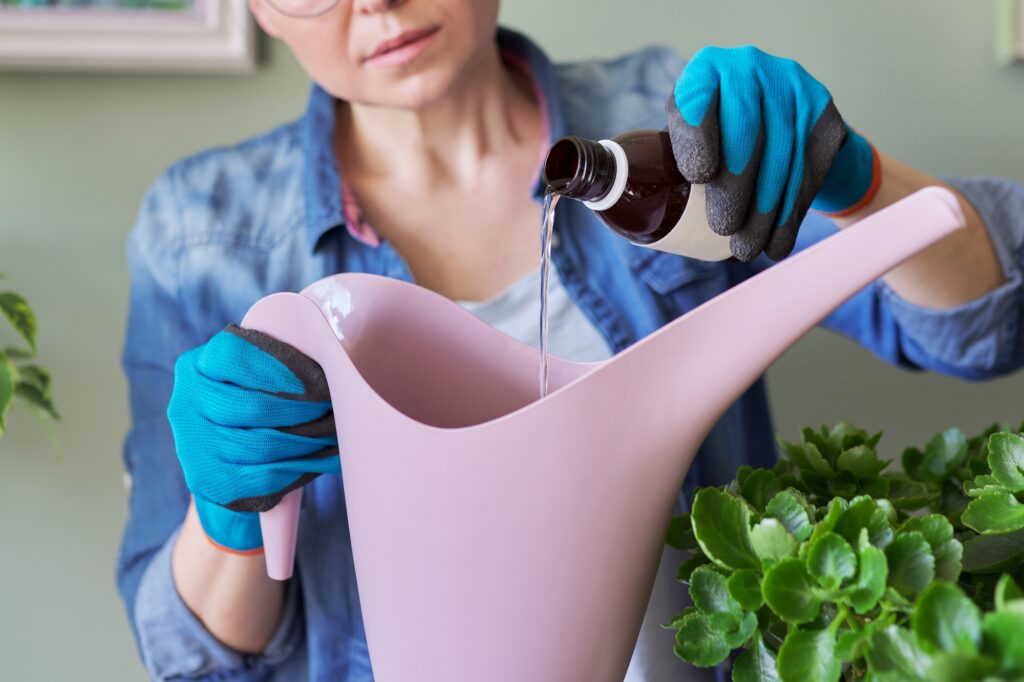
Pruners, garden scissors, seed trays and old pots can carry soil and plant debris from one gardening job to another. After removing visible dirt, you can use hydrogen peroxide to clean compatible gardening equipment before reusing it.
Clean Up Equipment After a Diseased Plant
Don’t automatically move pots and tools used around a diseased plant to another part of the garden without cleaning them. Removing plant material and soil, then cleaning and disinfecting properly, can reduce the chance of carrying plant pathogens from one job to the next.
Freshen Reusable Cleaning Cloths
Dishcloths, cleaning rags and other washable cloths can become stained and develop odors after repeated use. You can add hydrogen peroxide to the wash cycle for compatible fabrics to help tackle discoloration and some of the grime left behind after cleaning.
Help Deal With Skunk Odor
This may be one of the more surprising uses: hydrogen peroxide is an ingredient in a commonly recommended fresh solution that helps neutralize the sulfur-containing compounds responsible for skunk odor.
These mixtures typically combine 3% hydrogen peroxide with baking soda and liquid dish soap, but mix them only as needed and never store them in a closed container because gas can build up.