When you’re clearing out closets or getting ready for a move, dropping everything off at the nearest thrift store might seem like the easiest way to donate. But some of the things you no longer need could be especially useful to an organization that can put them directly into someone’s hands.
Before you load up the car, consider these eight places that may use your unwanted items.
Family Shelters
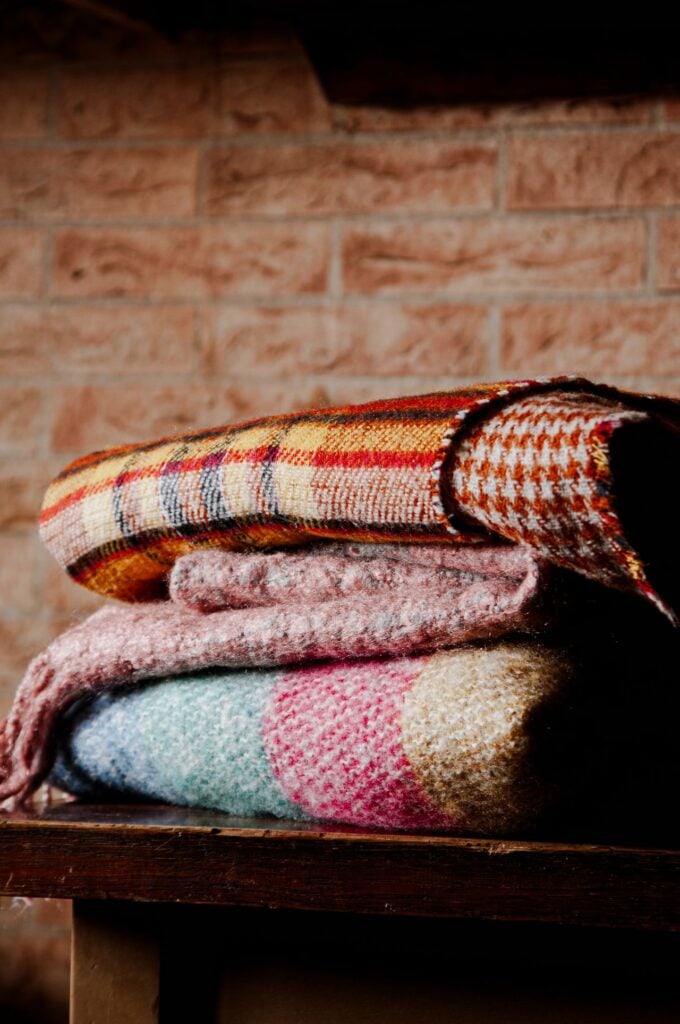
Families moving into temporary housing may need everyday essentials such as clothing, bedding, diapers, and toiletries. If you have baby gear to donate, check with the shelter first, since safety requirements and acceptance policies can rule out items such as used car seats or older cribs.
Food Banks and Community Pantries
If your pantry is overflowing with unopened, shelf-stable food you won’t use, a local food bank or community pantry may be able to distribute it to households that need it. Check its current wish list and rules for expiration dates, packaging, and drop-off times before gathering your donation.
Related: 8 Foods Food Banks Usually Can’t Accept
Homeless Shelters
An extra winter coat or a package of unopened toiletries may be more immediately useful at a shelter than sitting on a thrift store rack. Contact a nearby shelter to ask whether it needs seasonal clothing, clean linens, hygiene products, or other essentials and how donations should be delivered.
Creative Reuse Centers
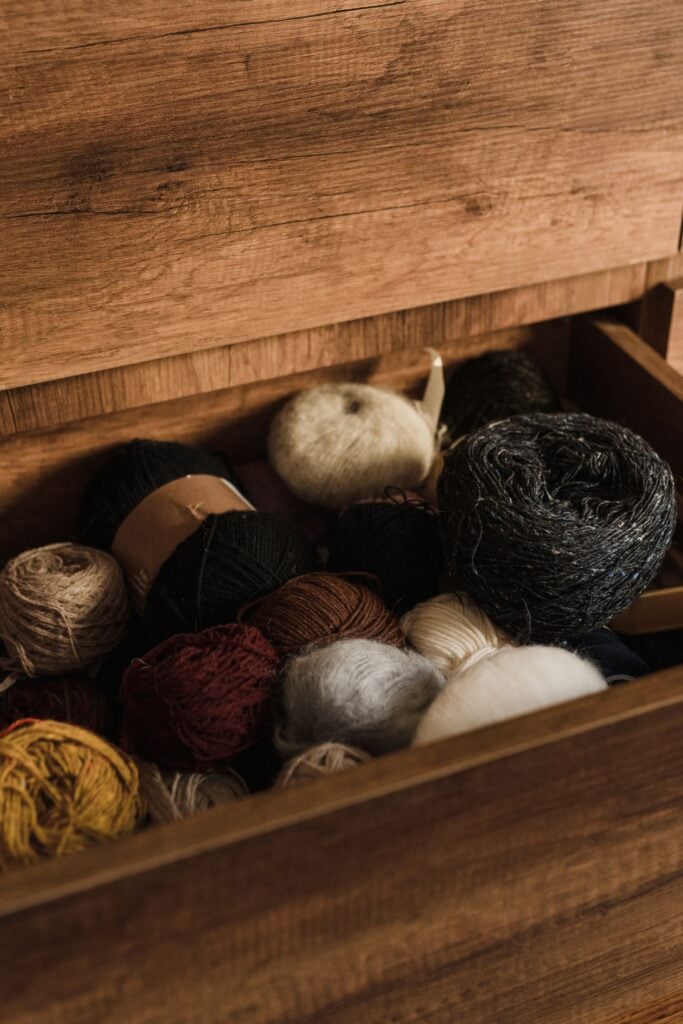
If you have fabric remnants, yarn, craft tools, or supplies left over from a project you never finished, a creative reuse center may be able to put them back into circulation. These organizations collect usable materials for artists, teachers, and crafters, though they may restrict opened paint, chemicals, and other supplies.
Related: JOANN Is Gone, So Where Is Everyone Buying Fabric and Craft Supplies?
Habitat for Humanity ReStores
Leftover tiles, working light fixtures, cabinets, and furniture from a home project might be a better fit for a Habitat for Humanity ReStore than a general thrift shop. ReStores sell donated home goods and building materials to support Habitat’s work, but accepted items vary by location, so check before bringing in anything large.
Local Schools
Some schools maintain clothing closets or collect supplies for students who need a little extra help during the school year. Clean children’s clothing, sturdy backpacks, shoes, and unused school supplies may be welcome, so contact the school office or district to find out what’s needed.
Animal Shelters and Rescue Groups
Those extra towels and blankets taking up space in your linen closet could help keep animals comfortable while they wait for a new home. Many shelters also welcome unopened pet food, litter, and usable pet supplies, but it’s worth asking what they can accept before dropping anything off.
Domestic Violence Shelters
People leaving unsafe living situations may need clothing, toiletries, bedding, and household basics as they set up a new home. Many shelters have specific donation needs and confidential locations, so contact the organization through its public donation channels rather than arriving without an appointment.