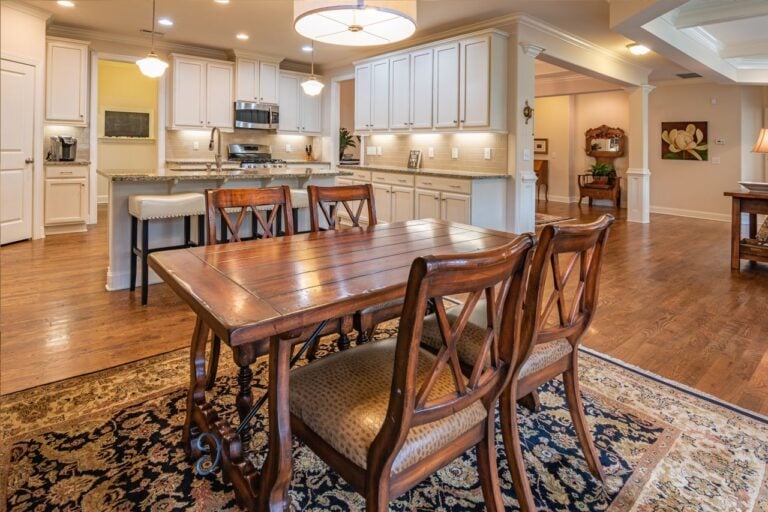
For years, home design seemed to revolve around the same formula: neutral colors, clean lines, simple furniture, and very little clutter. The result could look polished, but after a while, many homes started to look remarkably alike.
Now, homeowners are moving toward rooms with more personality. Color, texture, artwork, vintage pieces, and meaningful finds are making their way back into living spaces. Instead of making every item match, people are choosing pieces they actually love and letting their homes tell a richer story.
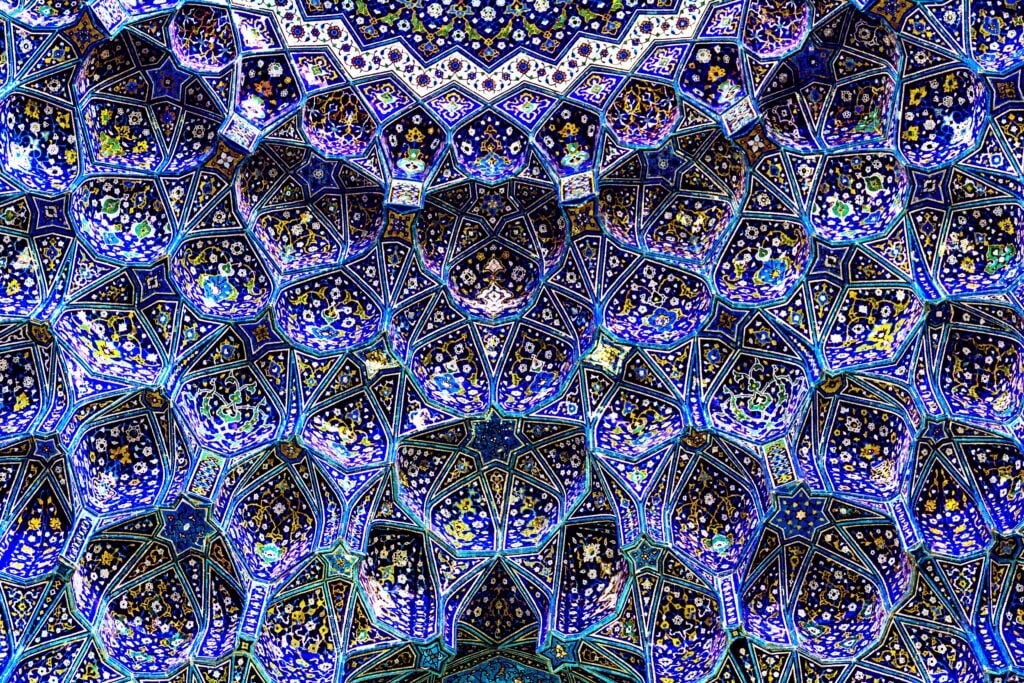
That helps explain why Persian maximalism has been getting so much attention. Inspired by Persian art, textiles, rugs, and architecture, the style brings together deep colors, detailed patterns, and decorative pieces to create rooms that feel warm and lived in.
It’s bold and dramatic, but it can still feel comfortable. For homeowners and designers who are ready for something beyond beige walls and sparse rooms, that’s part of the appeal.
A New Chapter for Maximalist Design
Maximalism has been around for years. Designers have been encouraging homeowners to mix patterns, textures, artwork, furniture, and decorative pieces to create rooms with more personality.
Still, maximalism can sometimes become visually busy if too many unrelated elements are thrown together. Persian maximalism offers a way to create a fuller room while giving all those details a common thread.
The style draws heavily from Persian artistry, with floral motifs, ornamental borders, repeating geometric patterns, and detailed designs appearing throughout the room. These patterns give the eye something to follow, which can help a room packed with color and decoration feel more connected.
James Mellan-Matulewicz, Creative Director at Bobbi Beck, says the style fits with the growing interest in more expressive interiors.
“With interiors moving toward greater expression, Persian maximalism offers a luxurious interpretation of layered design,” he explains. “It allows homeowners to create spaces that feel confident and thoughtfully curated rather than overwhelming.”
Related: Interior Design Trends for 2026 That Feel Warm, Lived-In, and Comfortable
When Walls Become the Centerpiece
Wallpaper has a major role in this decorating style. In a Persian maximalist room, the walls aren’t treated as an empty backdrop. They can set the mood for everything else in the space.
Persian-inspired wallpaper often features ornate flowers, decorative borders, repeating patterns, and detailed scenes. A bold wall can make a room feel rich and finished without requiring every piece of furniture to make a statement.
Luxury wallpaper studio Bobbi Beck has explored this look with collections that combine exotic landscapes and Persian-inspired motifs. The designs take cues from the detailed artwork found throughout Middle Eastern traditions while bringing them into today’s homes.
A patterned wall can also make it easier to choose the rest of the room. Pull a few colors from the wallpaper and repeat them in pillows, curtains, upholstery, artwork, or smaller decorative pieces.
Color Returns With Confidence
Color is one of the most important elements of Persian maximalism. Deep emerald greens, sapphire blues, ruby reds, rich plums, and warm golds are common choices, creating rooms that feel much warmer than the pale palettes that have dominated home design for years.
These colors can work especially well in dining rooms, bedrooms, offices, and living rooms where a little drama doesn’t feel out of place. They also pair naturally with wood furniture, brass details, patterned rugs, and textured fabrics.
“Tonal richness and pattern are at the heart of Persian-inspired design,” says Mellan-Matulewicz. “When used thoughtfully, these elements bring a sense of depth and cultural richness to a space that feels both luxurious and inviting.”
The key is to repeat colors throughout the room instead of treating each bold shade as a separate statement. A deep blue on the walls might reappear in a rug or throw pillow, while warm gold can appear in lighting, picture frames, or hardware.
Related: Martha Stewart Breaks All Design Rules — These Bold Home Decor Moves Show Why She’s Always Right
Homes That Feel Collected Over Time
Persian maximalism also works well for people who prefer homes that feel collected rather than perfectly coordinated. Vintage furniture, family heirlooms, old artwork, rugs, books, and decorative objects can all have a place in this type of room.
That mix can make a home feel more personal. Instead of buying everything from one collection, homeowners can bring together pieces they’ve picked up over the years and give them a place alongside newer furniture.
One simple way to keep the room from feeling disconnected is to pull colors from the wallpaper or largest patterned piece and repeat them elsewhere. A rug, chair, lamp, artwork, or set of pillows can echo those same shades without looking like everything came as a matching set.
The result is a room with plenty to look at while still having a clear visual connection between the different pieces.
A Shift Away From Minimalism
As design trends evolve, many homeowners are stepping away from strict minimalism and making more room for color, artwork, collections, and personal touches.
Persian maximalism fits neatly into that change. It gives people permission to use richer colors, layer patterns, display decorative pieces, and create rooms that say something about the people who live there.
The style also leaves plenty of room for personal taste. Someone might bring in a Persian-inspired wallpaper, a vintage rug, and a few colorful textiles, while someone else might use just one patterned wall and a handful of traditional pieces.
“Persian maximalism celebrates the idea that homes should feel expressive and personal. It’s about creating spaces that feel layered, welcoming, and full of character,” Mellan-Matulewicz says.