There was a time when shopping secondhand was mostly about stretching your budget. You went to the thrift store hoping to find a decent pair of jeans, a winter coat, or something you needed without paying full price. Finding a vintage designer piece was a bonus, but saving money was usually the reason you walked through the door.
Now, secondhand clothing has become a fashion trend in its own right. Shoppers are searching for one-of-a-kind pieces, celebrities are wearing vintage outfits on the red carpet, and resale companies have turned buying and selling used clothing into a major business.
According to a recent Los Angeles Times report, the secondhand clothing market has grown 20% over the past five years to more than $240 billion, citing McKinsey & Co.’s State of Fashion report. The growth reflects a shift in how people view used clothing: It’s no longer just an affordable alternative to buying new. For many shoppers, it’s how they find their personal style.
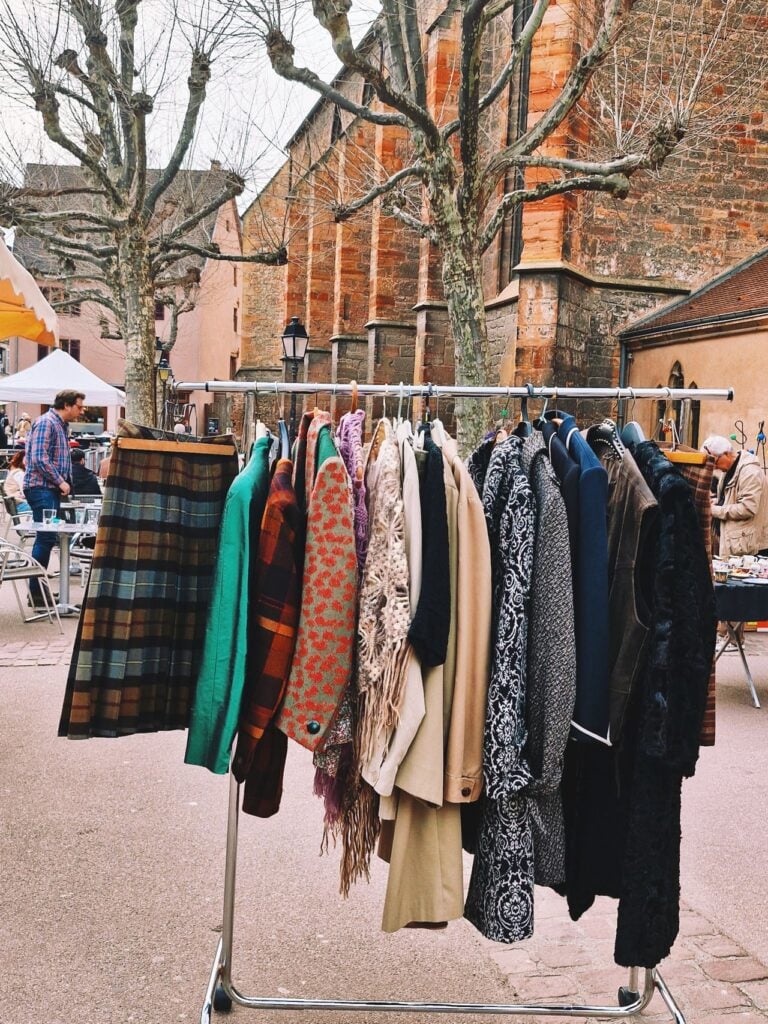
Secondhand clothing has become something shoppers want to show off
The appeal of thrifting has expanded beyond finding a bargain. Shoppers are also drawn to vintage styles, unusual pieces, and clothing they’re unlikely to see on everyone else.
The Los Angeles Times highlighted how secondhand fashion now reaches everyone from college students searching resale sites for specific vintage accessories to celebrities wearing decades-old designer outfits at major events. A used item can be desirable precisely because it’s difficult to find new.
Social media has helped make that shift visible. Thrift hauls, vintage finds, and clothing transformations give shoppers a chance to show off pieces they discovered rather than simply display what they bought from the latest collection.
For longtime thrifters, the excitement of finding something unexpected is nothing new. What has changed is how widely that experience is shared and how many businesses are trying to make secondhand shopping easier.
Resale companies have made thrifting easier to do from home
Finding secondhand clothing once meant spending time searching through racks at thrift stores, garage sales, or consignment shops. Today, shoppers can browse thousands of used items online, search for a particular brand, and have a purchase delivered to their door.
California based resale companies have played a major role in that change. Platforms such as ThredUp, Poshmark, and The RealReal have developed different ways for people to buy and sell used clothing, from sending unwanted items to a resale service to listing pieces directly for other shoppers to purchase.
That convenience has opened secondhand shopping to people who may not have the time or patience to search through physical stores. It has also created more opportunities for people to earn money from clothing they no longer wear.
Rather than relying entirely on what happens to be available at a nearby thrift store, shoppers can now search across a much larger selection for a particular size, style, or vintage find.
Younger shoppers are helping make secondhand fashion mainstream
For a growing number of younger shoppers, buying used clothing isn’t something they do only when money is tight. It can be their first choice when looking for a distinctive outfit or a particular item they’ve seen online.
The Los Angeles Times reports that shoppers are drawn to secondhand fashion for several reasons, including lower prices, reducing waste, and finding pieces that stand apart from current retail trends. The report also notes that the secondhand market is growing at roughly four times the pace of traditional retail, according to McKinsey.
That change is helping reshape the image of thrifting. Instead of being seen only as a practical way to spend less, buying used clothing has become part of how some shoppers express their taste.
And for people who grew up browsing thrift-store racks, that motivation feels familiar. Finding an unusual jacket or a perfectly worn-in pair of jeans has always been part of the fun.
Related: 12 Thrifting Mistakes That Can Cost You Money
Saving money is still part of the appeal, but it’s no longer the whole story
Shoppers now have more ways to participate in the secondhand market, from digging through local thrift-store racks to searching online for vintage designer clothing. Those experiences can come with very different price tags, even though both involve buying something that has been owned before.
For longtime thrifters, the industry’s growth raises an interesting question: As more people shop secondhand for style rather than savings alone, will finding an affordable hidden gem become harder?
The Los Angeles Times report doesn’t establish that the resale boom has driven up prices at local thrift stores. It does show how dramatically the perception of secondhand clothing has changed. Something once associated with saving money now attracts fashion-conscious shoppers, technology companies, and major investment.