An open house seems like a pretty easy way to sell a home. Clean everything, leave for a few hours, and let as many potential buyers as possible walk through without scheduling individual appointments.
And sometimes it works exactly as planned. Open houses can bring in serious buyers, make it easier for people who are still on the fence to see a property, and reduce the number of separate showings a seller has to accommodate.
But opening the doors to a large group of strangers comes with some less obvious downsides.
Not everyone walking through is actually looking to buy
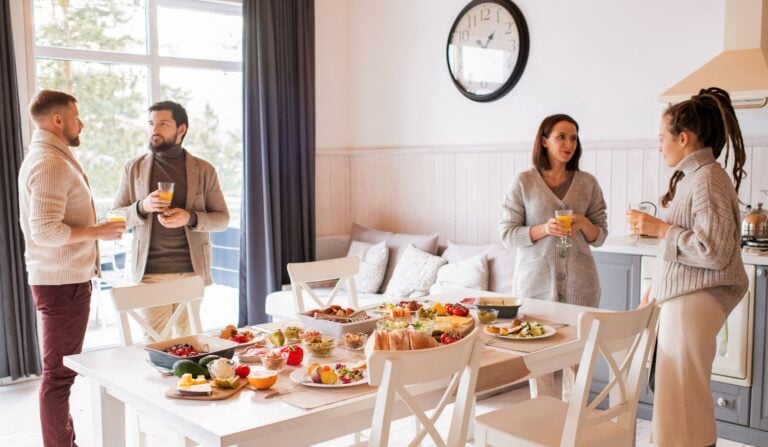
Open houses make it easy for anyone to walk inside, including people with no intention of making an offer. Some visitors may simply be curious about the house, interested in how it’s decorated, or trying to see what homes in the neighborhood look like inside.
Nosy neighbors may show up
Putting a house on the market can naturally make neighbors curious, and an open house gives them the perfect opportunity to take a look around. That isn’t necessarily a bad thing, since neighbors may know someone looking to move into the area, but sellers should expect that not everyone walking through the door will be a potential buyer.
Personal belongings are harder to keep an eye on
Multiple groups can be wandering through different rooms at the same time, making it difficult for one agent to watch everyone. Remove or securely store small valuables, medications, financial paperwork, and anything containing personal information before strangers begin touring the home.
Things can get damaged
Visitors will open doors, look inside closets and walk through nearly every part of the house, and accidents can happen. Floors can get dirty, furniture can be damaged, and children who aren’t being closely supervised may touch or move things that the homeowner would rather they didn’t.
Serious buyers may prefer a private showing
A crowded open house isn’t necessarily the best environment for someone seriously evaluating a property. A private showing gives buyers more room to examine the home, ask questions and spend time considering details without other visitors walking through the same rooms.
The most interested buyers may not wait for the open house
Someone actively searching for a home may schedule a private showing as soon as an appealing property hits the market rather than waiting several days for the weekend open house. In a faster-moving market, a property could even receive an offer or go under contract before the scheduled open house arrives.
Preparing for one can be exhausting
Getting a lived-in home ready for dozens of strangers can mean a serious round of cleaning, decluttering, and putting away personal belongings. Sellers with children or pets also have to figure out where everyone will go for several hours while the house is open.
An open house can attract a crowd without producing an offer
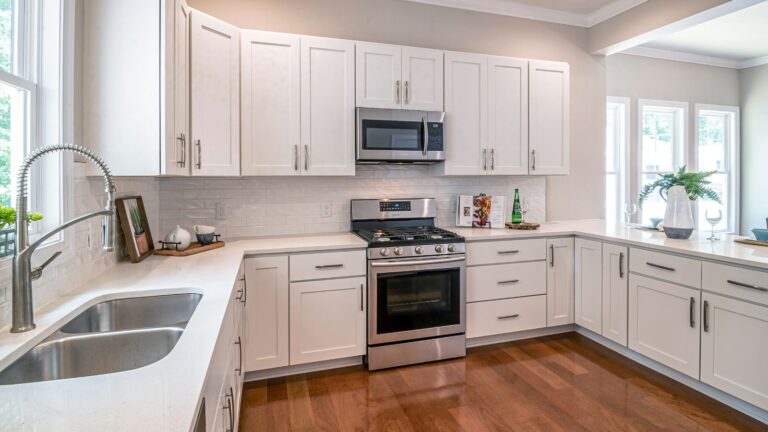
A busy house may look encouraging, but foot traffic doesn’t necessarily translate into serious interest. Plenty of people can walk through, compliment the kitchen and leave without ever considering an offer.
They may be more useful early in the listing
An open house can make the most sense when a property is new to the market and attracting the most attention. Repeating one weekend after another without generating offers may eventually be less useful than considering other factors, including the asking price and overall market conditions.
How well they work can depend on the market
An open house in a busy neighborhood may attract a steady stream of potential buyers, while the same strategy could bring very little traffic elsewhere. The property, price, location and pace of the local housing market can all affect whether opening the doors for an afternoon actually pays off.