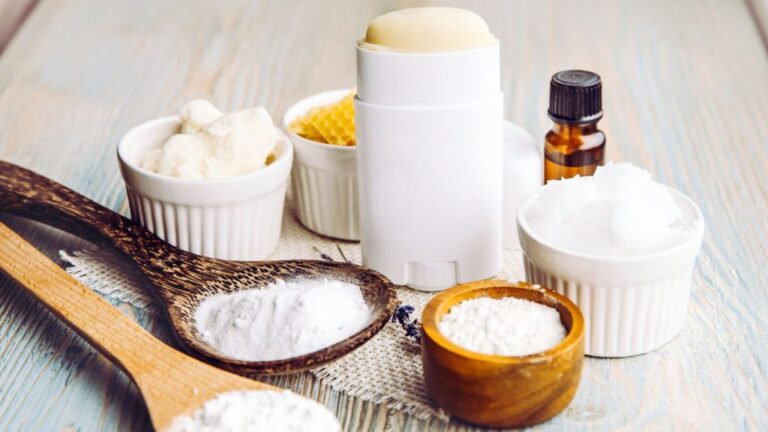
Most people have a few basic household staples tucked away for everyday problems. Baking soda helps with odors, white vinegar comes in handy for cleaning, and borax can help with certain laundry jobs. Another inexpensive powder worth knowing about is diatomaceous earth, often called DE.
Diatomaceous earth is made from the fossilized remains of tiny aquatic organisms called diatoms. The particles have a very fine, abrasive structure, which is part of the reason DE has so many household, garden, and pest-control uses.
There is one big distinction to keep in mind before using it around your home: food-grade DE and products made for other purposes are not interchangeable. Food-grade does not mean you should breathe the dust, spread it freely around children or pets, or use it for every problem mentioned online. Always follow the label for the product you buy, and avoid creating clouds of dust when applying it.
Here are 14 practical ways diatomaceous earth can come in handy around the house, in the garden, and in other areas of your property.
1. Use It for Garden Pests
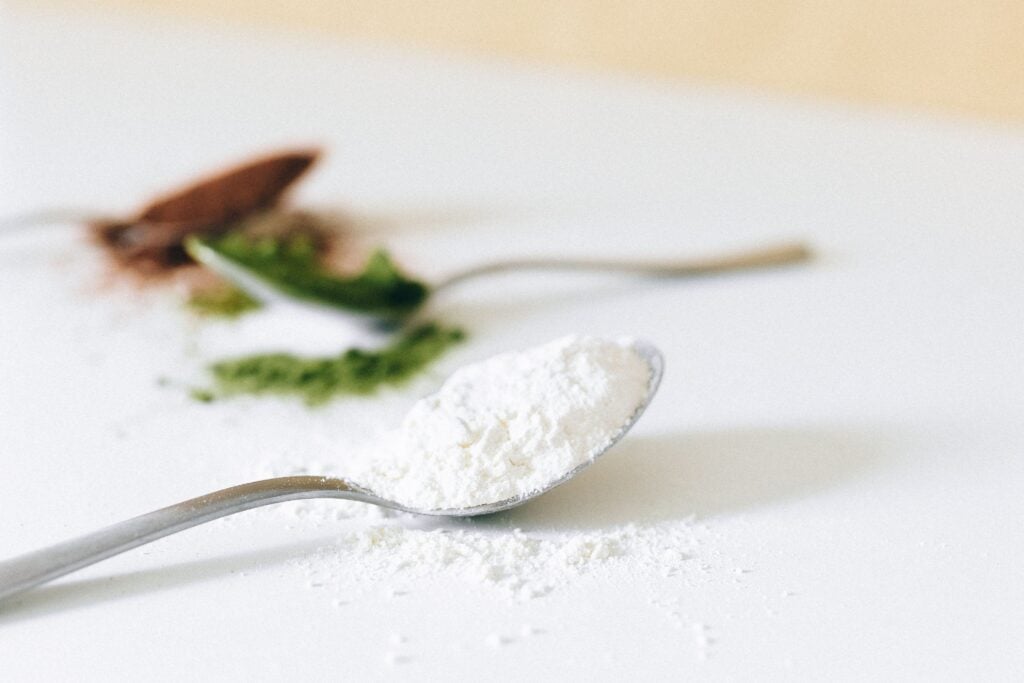
Diatomaceous earth can help control certain insects in the garden. According to the National Pesticide Information Center, DE works through physical action rather than acting like a conventional chemical pesticide.
The powder can damage the waxy outer coating of some insects, causing them to lose moisture. Lightly dusting the soil or plant surfaces can help with certain pests, but it needs to stay dry to be effective. Rain and watering can wash it away, so applications may need to be repeated.
Keep in mind that DE doesn’t distinguish between pests and beneficial insects. Avoid coating flowers where bees and other pollinators are actively feeding, and apply it carefully rather than covering the entire garden.
2. Use It in Water Filtration Systems
Diatomaceous earth has been used as a filtration material because its fine particles can trap suspended material and certain microorganisms. Research on diatomaceous earth filtration explains how this filtration method is used in water-treatment systems.
That doesn’t mean you should pour DE into a bottle of questionable water and assume it’s safe to drink. Filtration systems need to be built and maintained for their intended purpose, and drinking water may require additional treatment to remove pathogens or other contaminants.
For household use, stick with products and filtration equipment made for water treatment rather than trying to improvise a system.
3. Help Control Moisture and Odors
Diatomaceous earth can absorb moisture, which is one reason people use it around areas such as animal housing and other dry environments.
A small amount may help with damp spots and some unpleasant smells, but it isn’t a replacement for cleaning, ventilation, or fresh bedding. If an animal pen or coop stays wet, fixing the moisture problem will do far more than continually adding powder.
If you use DE around animals, keep the dust under control and follow the product label. Breathing fine particles can irritate the lungs.
4. Help Keep Damp Areas Dry
Because DE can absorb moisture, some people use it around areas that tend to collect small amounts of dampness. It may be useful around the base of storage containers or in other dry applications where moisture is a recurring nuisance.
A research paper on the moisture-absorbing properties of diatomaceous earth provides further information on its interaction with moisture.
Still, DE isn’t a cure for a leaky basement, plumbing problem, or persistent humidity. If an area stays damp, find and fix the source rather than relying on a layer of powder.
5. Skip It as a Pet or Livestock Dewormer
You’ll find plenty of claims online about feeding diatomaceous earth to pets or livestock to get rid of worms. The problem is that those claims lack strong evidence.
There isn’t good evidence that feeding DE is a reliable treatment for internal parasites, so it shouldn’t replace veterinary care or an approved deworming product. If you suspect a pet or farm animal has worms, a veterinarian can recommend a treatment based on the animal and the parasite involved.
You may also see diatomaceous earth sold for various uses, so read the product label before deciding how to use it.
6. Help With Slugs and Snails
Slugs and snails are a constant headache for many gardeners, especially around young plants. Dry diatomaceous earth can be used as a physical barrier around plants, although its usefulness drops once it gets wet.
Create a thin barrier around the area you’re trying to protect and reapply after rain or watering. It may work better on some garden pests than others, so don’t expect it to completely clear an infestation.
If you’re using DE in a garden, keep it away from areas where pollinators are actively feeding whenever possible.
7. Add It to Compost With Some Caution
Diatomaceous earth is sometimes recommended to speed up composting because it absorbs moisture. That doesn’t make it a magic compost booster, though.
A healthy compost pile depends on the right balance of moisture, air, and carbon- and nitrogen-rich materials. Adding a little DE won’t turn a poorly managed pile into finished compost overnight.
For better composting habits, see Composting Mistakes So Many People Make: Never Add These Foods to the Bin.
8. Use It for Certain Cleaning Jobs
The fine, gritty texture of diatomaceous earth can provide extra scrubbing action on certain hard surfaces. A small amount can be mixed with water and used to work on stubborn grime or stains.
Test it on an inconspicuous area first, as an abrasive powder can scratch certain finishes. Skip it on delicate surfaces, polished materials, and nonstick cookware.
If you’re using diatomaceous earth for cleaning, use only a product labeled for that purpose and avoid breathing in the dust while applying it.
9. Keep Pests Away From Dry Food Storage
Diatomaceous earth is sometimes used in dry food storage to control certain stored-product insects. Products made for this purpose can be applied according to their labels around stored grains and other dry goods.
Read the packaging carefully before using DE around food. Don’t assume that any bag labeled “diatomaceous earth” is suitable for food storage.
This guide from DiatomaceousEarth.com explains how DE is used for protecting stored foods from insects.
10. Help Control Fleas and Other Household Pests
Diatomaceous earth is often used for pest control because it can damage the outer coating of certain insects. Fleas, mites, lice, and other crawling pests may be affected upon contact with dry DE.
That doesn’t mean you should cover your pets or furniture in a thick layer of powder. Fine dust can irritate the lungs and eyes, so follow the label carefully and avoid placing loose dust where people or animals will breathe it.
For a pest problem inside the home, cleaning, vacuuming, washing bedding, and treating the source are often just as important as the product you use.
11. Use It as a Skin Scrub With Care
Diatomaceous earth is sometimes added to homemade scrubs because its texture can help remove dead skin cells. If you decide to try it, use a very small amount and avoid getting the powder near your eyes or inhaling it.
A gritty powder isn’t automatically a gentle exfoliant, so rubbing too hard can leave skin irritated. People with sensitive skin should be especially careful and stop using it if redness or irritation develops.
The coconut oil, honey, and yogurt scrub described in the original recipe may sound appealing, but there is no need to assume that DE makes a better skin-care product. A simple, purpose-made exfoliant is often easier to control.
12. Use It Against Ants and Roaches
Diatomaceous earth can be used as part of a pest-control plan for ants and cockroaches. Apply a light layer to dry cracks, crevices, and areas where pests travel, as directed on the product label.
The powder needs to stay dry to work well, so a damp area may require a different solution. DE also won’t solve every infestation on its own, particularly if pests have established nests or colonies that aren’t being reached.
For more ideas, see Stop Sharing Your Home With Roaches: 13 Natural Ways to Kick Them Out.
You can also read Mix Peanut Butter and Borax to Solve Your Ant Problem for another ant-control method.
13. Don’t Sprinkle It on Your Mattress for Bed Bugs
Bed bugs are one area where online advice about diatomaceous earth can get misleading. DE can affect insects that come into contact with the dry powder, but simply sprinkling it all over a mattress isn’t a reliable way to eliminate a bed bug infestation.
It can also create a dusty environment that you don’t want to breathe while sleeping. If you find bed bugs, start by confirming the infestation and follow established treatment steps. Professional pest control may be needed for a larger infestation.
If DE is used as part of a bed bug treatment, use a product labeled for that purpose and follow the directions carefully rather than spreading loose powder everywhere.
14. Skip It as a Dietary Supplement
Diatomaceous earth is sometimes promoted online as a supplement for digestion, cholesterol, detoxing, constipation, or removing heavy metals from the body. Those claims shouldn’t be treated as established health benefits.
Food-grade DE contains silica, but that doesn’t mean eating it will provide the health effects often claimed online. There is not enough good evidence to recommend diatomaceous earth as a treatment for high cholesterol, constipation, parasites, or “detoxing.”
If you’re thinking about taking DE internally, talk with a doctor or another qualified health professional first. A product labeled food-grade is not a proven dietary supplement.
A Bag of DE Can Be Useful, but Use It Carefully
Diatomaceous earth has some genuinely useful household and garden applications, especially for certain insects and moisture-related jobs. At the same time, it’s easy to find exaggerated claims about what this simple powder can do.
The biggest thing to remember is that fine dust can irritate your lungs and eyes. Keep the powder away from your face, avoid creating dust clouds, follow the label, and don’t assume food-grade DE is automatically safe for all uses around children, pets, food, or in living spaces.