For most people, the leaf blower comes out a few times a year. You clear the driveway, blow leaves off the patio, maybe clean up the front walk, and then put the machine back in the garage until fall comes around again.
That’s a lot of downtime for a tool that can move a serious amount of air. A leaf blower can be useful for plenty of small jobs around the house, garage, and yard, especially when you need to clear loose dirt, water, grass, or other lightweight debris.
Of course, it isn’t the right tool for every job. You still need to use some common sense about where you’re directing the air and what you’re trying to move. But once you start looking beyond piles of leaves, you may find yourself reaching for the blower a lot more often.

Clean Gutters Without Scooping Everything Out by Hand
Cleaning gutters usually means climbing a ladder, reaching into a pile of wet leaves, and pulling out handful after handful of debris. It’s messy work, and nobody looks forward to it.
A leaf blower with a gutter-cleaning attachment can make routine cleanup easier, especially when the debris is dry. Some attachments let you work from the ground, which means less time on a ladder. It won’t replace a thorough gutter cleaning when there’s packed-in dirt or wet buildup, but it can be handy for routine maintenance.
Clear Light, Fluffy Snow
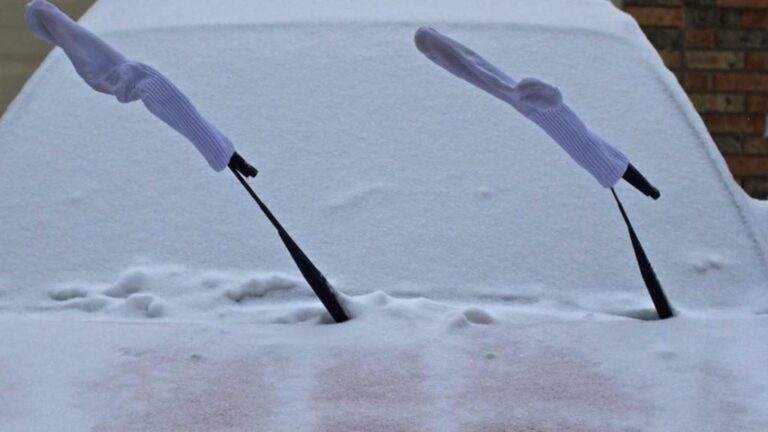
A leaf blower can come in handy after a light snowfall. If the snow is dry and powdery, you can often blow it off a walkway, porch, deck, or vehicle before it has time to pile up.
This works best with a thin layer of fresh snow. Heavy, wet snow is a different story and is better handled with a shovel or snow blower.
Related: 15 Genius Ice and Snow Removal Tricks for Driveways, Sidewalks, and Cars
Dry Your Car After Washing It
You’ve washed the car, dried most of it with a towel, and then notice water hiding around the mirrors, door handles, trim, and other little gaps. A leaf blower can help push that water out before it leaves spots behind.
Use a clean blower and keep the airstream under control so you’re not sending dust and grit back onto the freshly washed car. A blower is especially useful for removing water from areas that are difficult to reach with a towel.
Related: A Winter Storm Is Coming—These Survival Items Should Already Be in Your Car
Clean Out the Garage or Workshop
Garages and workshops have a way of collecting everything from sawdust to grass clippings. Sweeping a large space can take quite a while, especially when dirt has gathered along the walls and in the corners.
Open the garage door and use the blower to move loose debris outside. If you’re clearing a dusty workshop, wear eye protection and a dust mask, and keep people and pets away until the dust has settled.
Sawdust can be useful for other projects, too, so you may want to collect it rather than blowing it straight into the yard.
Dry Patio Furniture After Rain
Outdoor furniture can stay damp for hours after a rainstorm. If you want to use the table or chairs sooner, a quick pass with a leaf blower can push water off the surfaces and out of cracks.
This is especially handy before guests arrive. It won’t completely dry cushions or fabric, but it can remove the standing water that makes everything feel wet.
Clear Grass From Lawn Equipment
Grass clippings and dirt can build up around lawn equipment, especially after mowing wet or tall grass. Once the equipment has cooled down and is turned off, a leaf blower can help clear loose debris from the outside.
Pay attention to vents, handles, wheels, and other areas where clippings collect. Keeping loose debris from piling up can make your equipment easier to clean the next time you use it.
Related: How to Put Grass Clippings to Work in the Garden
Help With Dryer Vent Cleanup
Dryer vents need regular attention because lint buildup can create a fire risk. A leaf blower may help move loose lint through a vent in some setups, but this isn’t a job to tackle casually.
Disconnect the dryer from the power supply before working on it, and make sure the vent system is suitable for the method you’re using. A proper dryer vent cleaning kit or professional cleaning is a better choice when there’s heavy buildup or a long, complicated vent run.
Lint buildup in dryer vents is something worth keeping an eye on, regardless of how you clean it.
Freshen Up Artificial Turf
Artificial grass can collect leaves, grass clippings, dirt, and other lightweight debris. Over time, the blades can also become flattened in areas with heavy foot traffic.
A leaf blower can clear loose debris and help lift some of those flattened blades. Use a moderate setting rather than blasting the surface at full force, especially if the turf has delicate infill or you’re unsure what the manufacturer recommends.
Clear Light Roof Debris From the Ground
Leaves and pine needles can collect on lower sections of a roof, particularly near gutters and roof edges. A leaf blower with the right extension may let you clear some of that loose debris while keeping both feet on the ground.
This is best limited to light debris and areas you can reach safely. Don’t climb onto a roof just to use a blower, and don’t rely on it for packed dirt, moss, damaged roofing materials, or other problems that require a closer inspection.
Pull Wires Through Conduit
Running wire through conduit can be frustrating when you don’t have a good way to get a string from one end to the other. A small piece of lightweight material attached to a string can sometimes be pushed through the conduit with air from a leaf blower.
Once the string reaches the other end, you can use it to pull the wire through. This trick is more useful for certain DIY jobs than everyday yard work, but it can save some frustration during the right project.
Related: 15 Home Improvement Projects You Shouldn’t DIY
Dust Off Large Tools and Equipment
Sawdust, grass, dirt, and other debris can collect around power tools and larger pieces of outdoor equipment. Instead of brushing every little bit away, take the equipment outside and use a leaf blower to clear loose debris.
Keep the blower away from delicate components and openings where debris could be pushed farther inside. For shop equipment, eye protection is a good idea since dust and small particles can travel quickly.
Clear Debris Around Outdoor HVAC Units
Leaves, grass clippings, and other debris can collect around an outdoor air conditioning unit. Keeping the area around the unit clear helps maintain airflow and gives the equipment room to operate.
Use the blower gently around the unit and avoid blasting air directly into delicate fins or electrical components. If the unit is heavily clogged or damaged, shut it off and have it checked rather than trying to fix the problem by adding more air.
Other posts you might like:
- Banana Peels Might Be the Most Underrated Natural Boost for Your Garden
- I Stopped Using Dryer Sheets in the Dryer—Here’s Where I Use Them Instead
- Stop Throwing Away Orange Peels — Some Call Them Trash, Others Call Them Kitchen Gold
- Simple DIY Fixes for the Most Annoying Problems Around the House
- 15 Incredible Ways to Repurpose Used Coffee Grounds