Having a little extra space is nice. But there’s a difference between having room to spread out and realizing you’re paying for bedrooms no one sleeps in, a dining room you rarely eat in, and a second living space no one seems to use.
Meanwhile, all of that unused space still has to be cleaned, heated, cooled, furnished, and maintained. You may even find yourself buying things simply because a room looks empty and you feel like you should fill it.
If you’ve started wondering whether you really need all the space you have, these six signs could mean you’re paying for more house than you really need.
You have entire rooms you rarely use
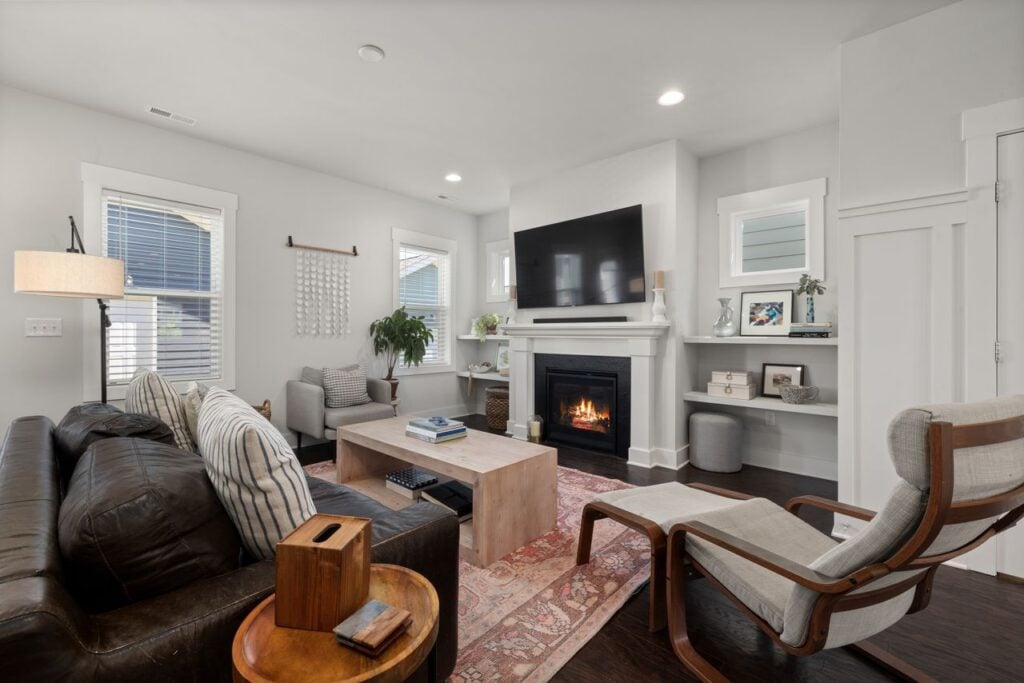
A guest room that gets used twice a year or a formal dining room that only sees people during the holidays may not seem like a big deal. But when several rooms sit empty most of the year, you may be maintaining far more space than your everyday life requires.
Pay attention to whether you’re actually using a room or simply trying to find something to do with it because it’s there. Turning an empty bedroom into a second office you don’t need doesn’t necessarily make the space more useful.
Everyone spends time in the same few rooms
Your house may have a formal living room, family room, dining room, office, and several bedrooms, yet somehow everyone still ends up in the kitchen and the same comfortable living area every night. The rooms your household naturally gravitates toward can tell you much more about how much space you need than the total square footage.
Think about where you’ve actually spent your time over the past month. If a surprisingly small portion of your home accounts for most of your daily life, the rest may be adding more upkeep than usefulness.
You’re spending a lot of time maintaining space you don’t enjoy
Cleaning a room nobody uses is still cleaning. The same goes for vacuuming extra floors, dusting furniture, changing filters, maintaining a large yard, and keeping up with repairs throughout a bigger property.
The issue isn’t simply whether you can afford your mortgage payment. If a significant amount of your free time goes toward maintaining parts of your home you rarely enjoy, the house itself may have become another job.
You’re buying things just to fill empty space
A large room can make perfectly good furniture suddenly look undersized, which can lead to buying bigger rugs, additional chairs, more artwork, larger tables, and decorative pieces simply because the room feels empty. Before spending money to fill the space, ask whether you genuinely want those things or are buying them because the house seems to require them.
The same thing can happen with entire rooms. If you’re constantly inventing purposes for unused spaces and then buying furniture to make those ideas work, you could be spending money simply to justify square footage you don’t really need.
Related: The 14 Items Empty Nesters Should Never Let Go Of
Getting around your own house feels inconvenient
More square footage doesn’t always make a home more functional. If the laundry room is far from the bedrooms, everyday items are constantly carried from one end of the house to the other, or moving between the rooms you use most feels unnecessarily inconvenient, the layout may be working against you.
A smaller home with a practical floor plan can sometimes feel easier to live in than a much larger home with poorly distributed space. How the square footage works for you matters just as much as how much of it you have.
The cost of the house no longer feels worth the space
The mortgage is only one part of what a house costs. Utilities, maintenance, repairs, furnishings, cleaning, landscaping, insurance, property taxes, and all the little expenses that come with keeping a home running also add up.
Those costs may feel completely worthwhile when you’re regularly using and enjoying the space. But if you’re spending money maintaining bedrooms nobody sleeps in, living rooms nobody sits in, and square footage you mostly walk past, it may be worth asking what you’re actually getting in return.