
It can be frustrating to compare property tax bills with neighbors and realize yours is noticeably higher—even when your homes look nearly identical. Many homeowners assume something must be wrong with the system, but in most cases, there are specific reasons behind the difference.
Property taxes are determined by a combination of factors, including property value, local policies, zoning rules, and tax exemptions. Even small differences between properties can lead to different tax bills.
If you’ve ever wondered why your neighbor pays less in property taxes, here are some of the most common reasons your bill might be higher.
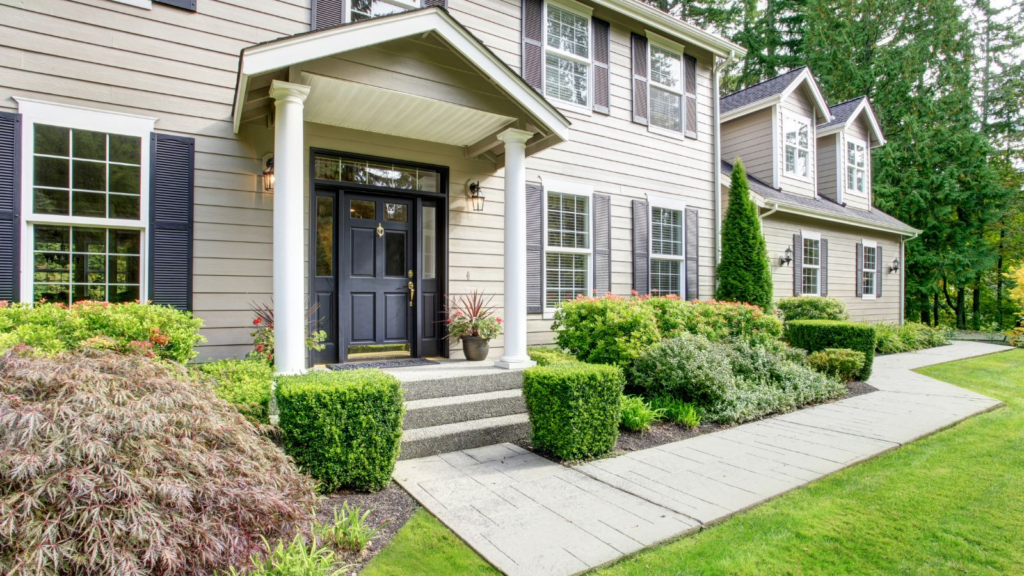
The Size of Your Lot
Even when two homes look similar from the street, their actual lot sizes can differ. A property that extends farther into the backyard or includes extra land will often be assessed at a higher value.
Local assessors typically consider the size of both the home and the land when calculating property taxes. That extra strip of yard, even if it’s just grass or trees, can increase the taxable value of the property.
Local Assessment Practices
Property values are reassessed at different intervals depending on where you live. Some areas reassess annually, while others update values only every few years.
If your home was reassessed recently, but your neighbor’s property hasn’t been evaluated in a while, their tax bill may still reflect an older and possibly lower valuation.
Zoning Differences
Zoning classifications can also affect property taxes. A home located in a residential zone may be taxed differently from one in a mixed-use or commercial zone.
Even small zoning differences between neighboring properties can result in different tax rates or valuation rules.
Special Tax Districts
Some neighborhoods fall within special tax districts created to fund local projects such as schools, parks, road improvements, or emergency services.
If your property sits inside one of these districts but your neighbor’s property falls just outside the boundary, you may be paying additional taxes to support those projects.
Age of the Home
Older homes sometimes benefit from lower assessed values, particularly if they were evaluated many years ago and have not been reassessed recently.
Newer homes or recently built properties often receive higher valuations because they reflect modern construction costs and current market conditions.
Related: 12 Home Improvement Mistakes That Lead to Major Regret
Differences in Municipal Budgets
Property taxes help fund local government services like police departments, public works, libraries, and infrastructure.
If your property falls within a municipality that has higher spending or more services, your taxes may be higher than those of someone living just across a city or town boundary.
Property Tax Caps
Some states limit how much property taxes can increase each year. These caps often benefit homeowners who have lived in their homes for a long time.
If your neighbor purchased their home decades ago and their taxes have been capped over time, they may pay significantly less than someone who bought a similar home more recently.
Home Improvements
Upgrades and renovations can increase a property’s assessed value. Improvements such as remodeled kitchens, new decks, finished basements, or additional living space often raise the home’s taxable value.
Meanwhile, a neighboring home that hasn’t been updated in years may still be assessed at a lower value.
Successful Tax Appeals
Some homeowners regularly appeal their property assessments if they believe their home has been overvalued.
If your neighbor successfully challenged their assessment and reduced the value assigned to their property, their tax bill could be lower than yours.
Tax Exemptions and Discounts
Many areas offer property tax exemptions for certain groups, including seniors, veterans, people with disabilities, or homeowners who qualify for homestead exemptions.
If your neighbor qualifies for one of these programs, they may receive a reduced tax bill while you continue to pay the full rate.
When the Home Was Purchased
The timing of a home purchase can affect property taxes. In many places, the purchase price influences the initial assessed value.
If you bought your home during a strong housing market, your assessed value may be higher than that of a neighbor who purchased a similar home years earlier at a lower price.
Errors in Property Records
Occasionally, property tax bills are higher because of simple errors in the assessor’s records. Incorrect square footage, an extra bedroom listed by mistake, or inaccurate property details can all increase the assessed value.
Reviewing your property record and correcting any mistakes could potentially lower your tax bill.
School District Boundaries
School districts are often funded partly through property taxes. Homes located within highly rated school districts sometimes carry higher tax rates to support local education funding.
If your property sits within the boundaries of a particular district while a nearby home falls outside it, the tax bills may differ.