A yard sale can help you clear out things you no longer use while putting a little extra money in your pocket. The trick is to plan ahead, display your items well, and make it easy for people to find things they want to buy.
After hosting a few sales, you start to see what attracts shoppers and what gets left behind. These tips can help you spend less time setting up, sell more of your unwanted belongings, and avoid bringing everything back inside.
Start Decluttering Early
Give yourself a couple of weeks to sort through closets, kitchen cabinets, the garage, and storage spaces. Make four piles for things you want to keep, sell, donate, or throw away so you’re less likely to sell something later.
Related: How to Throw a Killer Yard Sale
Pick the Best Day
Saturday mornings are popular for yard sales because many shoppers plan their weekends around bargain hunting. Friday can bring retirees and resale buyers, while Sunday shoppers may expect lower prices as the weekend winds down.
Watch the Weather Forecast
Rain, strong winds, or extreme heat can keep shoppers away and make your setup harder to manage. Check the forecast a few days ahead and have a backup date in mind if the weather looks bad.
Be Ready Before Shoppers Arrive
Some buyers show up well before the advertised start time, hoping to find the best items before anyone else does. Have your tables, signs, prices, and cash box ready before your official opening time so early arrivals don’t catch you off guard.
Related: 15 Yard Sale Items Buyers Snatch Up Almost Immediately
Get Everything Off the Ground
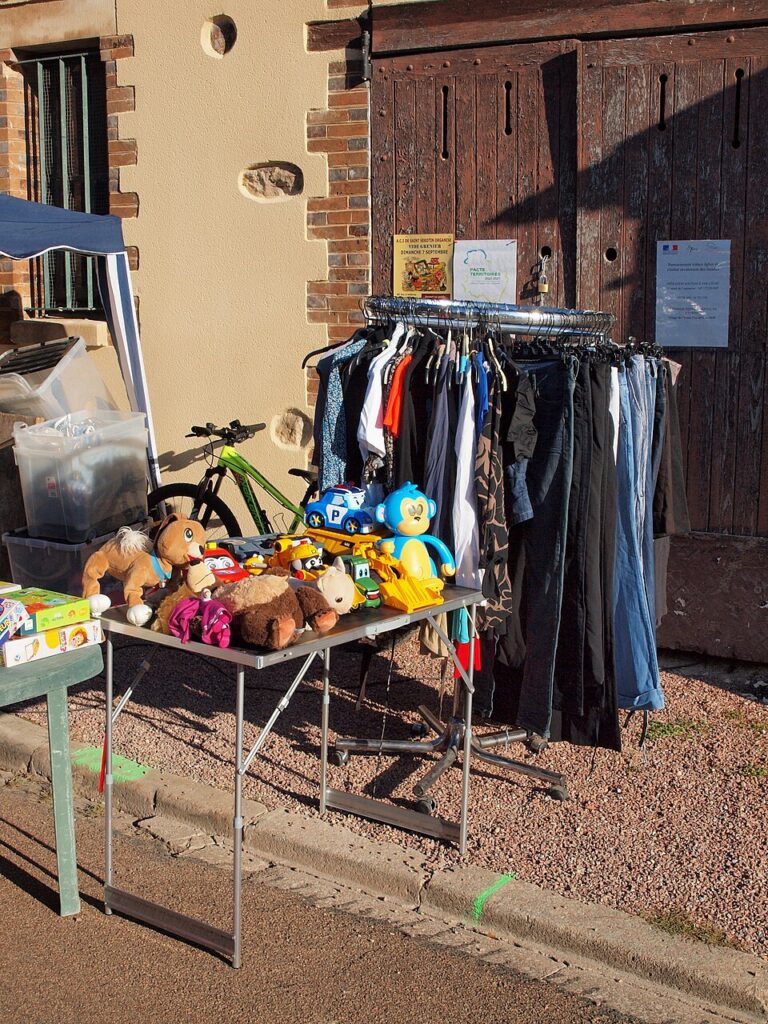
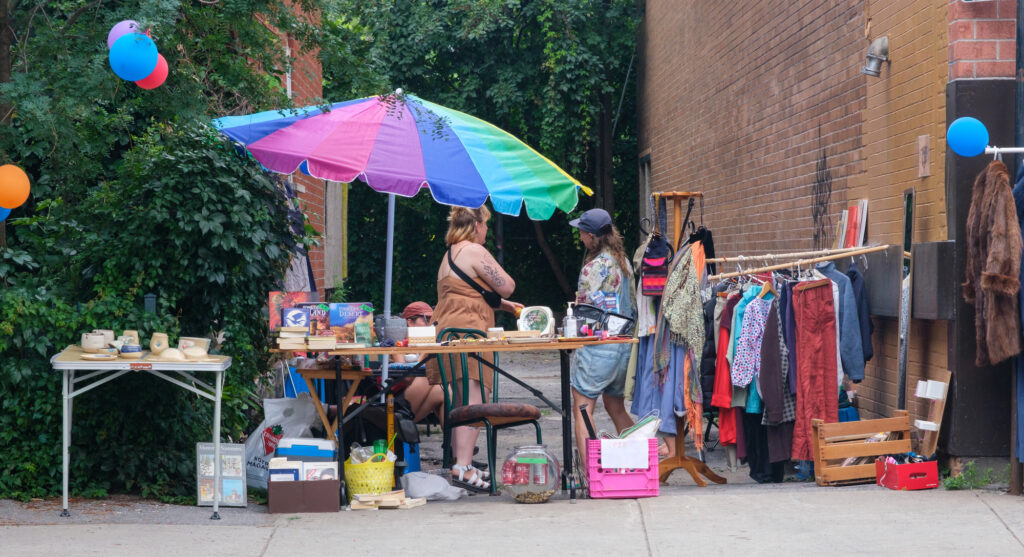
Items are easier to browse when they’re displayed on tables, shelves, or sturdy stands. Folding tables, crates, and boards set across sawhorses can help you create display space without spending much money.
Organize Like a Small Store
Keep similar items together so shoppers can find what they’re looking for without searching through every box. Put kitchen goods in one spot, group toys together, and fold or hang clothing so people can easily browse.
Protect Your Items
Moisture, dust, and handling can make clothing, books, and cardboard packaging look worn before the sale even begins. Use tables for smaller goods and place tarps or blankets beneath items that need to sit outdoors.
Price to Sell
High prices can discourage buyers who came looking for bargains, so check what similar used items sell for before setting your tags. For larger goods, you might start around half the original retail price if the item is in good condition, then adjust based on demand and wear.
Bundle Smaller Items
Small items can take time to price one by one, so make shopping easier with signs such as “$1 Each,” “50¢ Bin,” or “3 for $5.” Simple bundle deals may encourage shoppers to pick up a few extra items instead of leaving with just one purchase.
Related: Stop Wasting Yard Sale Space on These 11 Items
Put Your Best Items Up Front
Place eye-catching goods near the driveway or street where passing drivers can see them. Furniture, tools, bicycles, and sporting equipment may draw people in who would otherwise keep driving.
Spread the Word
Put your yard sale details on Facebook Marketplace, local Facebook groups, Craigslist, and Nextdoor where permitted. Add the date, hours, general location, and clear photos of a few appealing items so nearby shoppers have a reason to visit.
Make Your Signs Easy to Read
Use large lettering, clear arrows, and only the details a driver needs to find your sale. Place signs at nearby intersections and along the route, and check local rules before putting them up.
Bring Plenty of Change
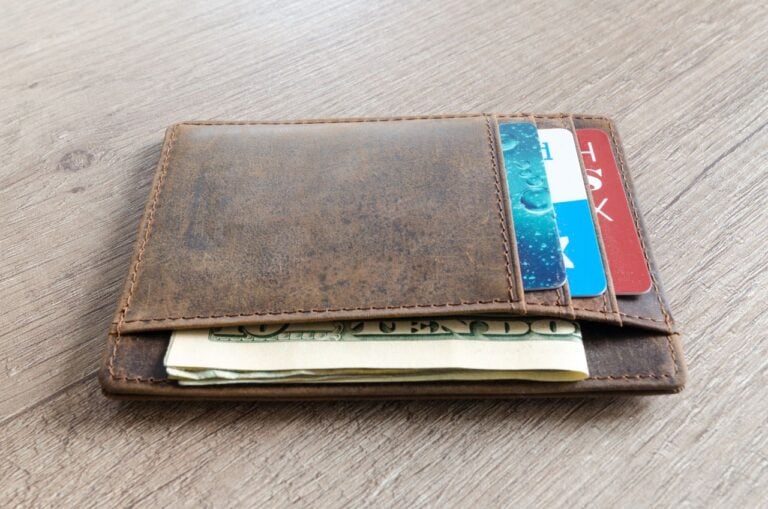
Start the morning with small bills and coins so you can make change without slowing down a sale. Around $50 in assorted cash may be a useful starting point, depending on your prices and how shoppers pay.
Expect People to Haggle
Many yard sale shoppers enjoy negotiating, so decide ahead of time how low you’re willing to go for each item. You can offer a lower total to someone buying several things, especially late in the day when you’d rather sell than pack everything away.
Decide What Happens to Leftovers
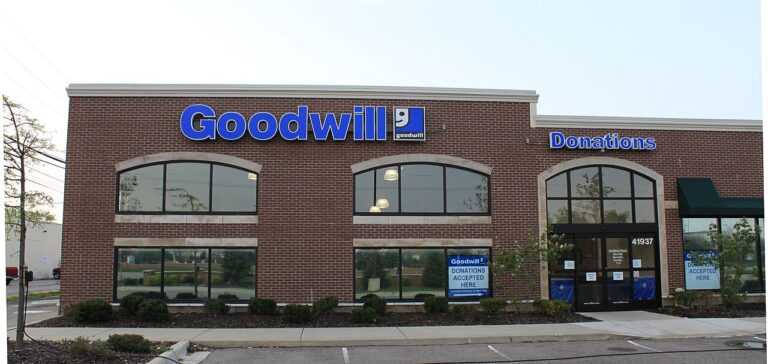
Some items will remain unsold, so plan ahead for donating, giving away, or disposing of them. Arrange a charity drop-off, book a donation pickup, or mark down prices during the final hour.
Keep the Sale Short
A focused one-day sale can be easier to manage than keeping everything set up all weekend. Choose clear opening and closing times, let shoppers know when you’re finishing, and use the remaining time to sell what you can before packing up.