I’ve spent enough time in thrift stores to know that just because something is cheap doesn’t mean it’s worth buying. I’ve brought home plenty of things that seemed like great deals, only to have them sit around for months waiting for someone to buy them.
These days, I’m a lot more selective about what goes into my cart, especially when I’m shopping to resell. I look for items that already have a market, recognizable brands, and things that are harder to find in regular stores.
Of course, not everything will sell, and thrift store prices aren’t always the bargains they used to be. But I always make a point to look for these secondhand finds because they tend to have resale potential.
Vintage and quality clothing
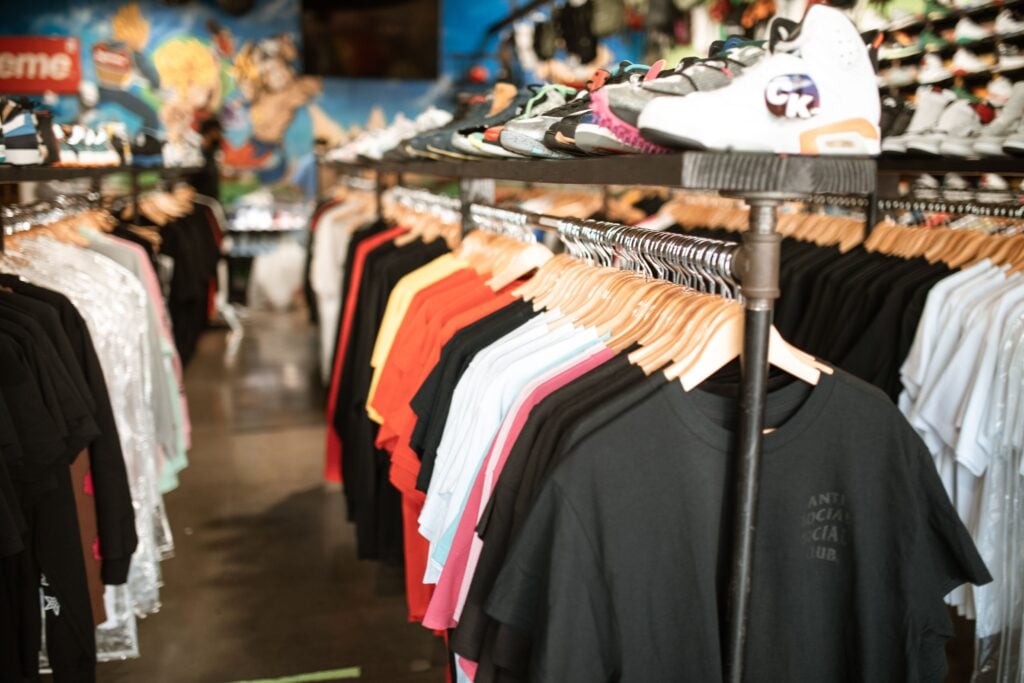
The clothing racks are always one of my first stops, especially when I’m looking for vintage denim, leather jackets, wool sweaters, cashmere, and quality outdoor brands. I also look for vintage band T-shirts, workwear, and linen or silk pieces.
Certain brands and older styles have buyers who specifically search for them, so they’re worth checking. I always check the labels, fabric, condition, and recent sale prices before deciding what to buy.
Retro video games and consoles
I never overlook old video games because collectors are often willing to pay for the games and accessories they grew up using. Nintendo, PlayStation, Sega, and other older gaming systems can have resale value, especially when they’re complete and working.
I also check for original controllers, memory cards, and accessories because smaller pieces can be worth selling on their own. The exact game, model, and condition make a big difference, so I always look them up before buying.
Books that are harder to find
I never skip the book section because surprisingly valuable titles occasionally mix in with everyday paperbacks. I tend to check out-of-print books, collectible children’s books, vintage cookbooks, certain textbooks, and first editions first.
The nice thing about books is that they’re usually inexpensive and easy to research right in the store. A quick barcode scan or search for sold listings helps me decide whether a title is worth bringing home.
Vintage Pyrex and other kitchenware
I also spend a little extra time in the kitchen aisle, especially when I spot older Pyrex, Fire-King, CorningWare, or interesting vintage serving pieces. Certain patterns, colors, and discontinued designs have collectors who are actively looking for them.
I always check the bottom for markings and look closely for chips, cracks, or other damage. Not every vintage dish is valuable, but knowing which patterns people collect can make a big difference.
Older cameras and quality electronics
When I browse the electronics section, I look for film cameras, camera lenses, turntables, and older audio equipment. Some vintage models still have a following, and buyers may be looking for replacement parts or accessories that are no longer easy to find.
I pay particular attention to recognizable brands and model numbers because they make researching resale prices much easier. Electronics can be a gamble if they haven’t been tested, so I factor that risk into what I’m willing to spend.
Quality hand tools and woodworking tools
Tools might not be the most exciting things to find at a thrift store, but they’re worth checking because people are always looking for reliable equipment. I look for older hand tools, socket sets, woodworking tools, and well-known brands that have a reputation for lasting.
Some older tools are especially appealing to buyers who prefer their construction or need a specific piece to complete a set. I check for missing parts, rust, and overall condition before buying.
I always check what things actually sell for
One thing I’ve learned from reselling is that a low thrift store price doesn’t automatically mean there’s money to be made. Something can be marked $3 and still not be worth buying if nobody wants it.
Before purchasing anything I’m unfamiliar with, I check recently sold listings rather than relying on what other sellers are asking. I also consider shipping costs, selling fees, and how much time or work an item might need.
I’d rather come home with two or three things I feel confident about selling than a cart full of bargains that end up taking over my storage space.