Decluttering sounds simple enough. Go through your belongings, keep what you need, and get rid of everything else. But anyone who’s ever tried cleaning out an overflowing closet, packed garage, or cluttered storage room knows it’s rarely that easy.
The trouble usually starts when you come across something you haven’t used in years but can’t quite bring yourself to get rid of. Maybe it’s still in good condition, could be repaired, or might come in handy someday. So instead of putting it in the donation pile, you convince yourself to keep it a little longer.
And that’s one of the biggest mistakes people make when decluttering. They confuse something being potentially useful with something they actually need. Just because an item still has some life left in it doesn’t mean it needs to take up space in your home.
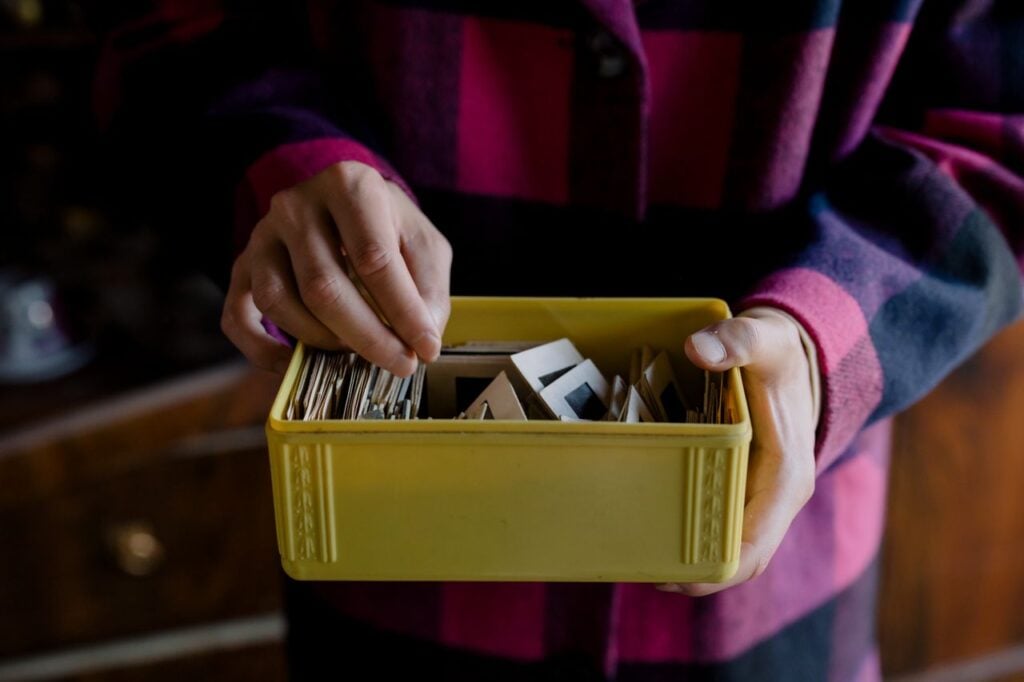
Just Because Something Is Useful Doesn’t Mean You Need It
Almost anything can be useful under the right circumstances. An old shirt could become cleaning rags, empty jars could store things, and that extra piece of furniture might eventually work in another room. If you’re creative enough, you can probably find a reason to keep just about everything.
But there’s a difference between something having a potential use and something being useful to you right now. That extra set of dishes might be perfectly good, but if you haven’t touched it in five years and already have everything you need, what purpose is it really serving?
Instead of asking whether you could use something someday, ask yourself whether you’ll realistically use it. It’s a small shift in thinking, but it can make difficult decluttering decisions much easier.
Related: The One Decluttering Task Too Many Families Put Off
Stop Holding Onto Things You Plan to Fix Someday
Most of us have a few things tucked away that we’re planning to repair. Maybe it’s a shirt with a small tear, a lamp that needs rewiring, or a piece of furniture you’ve been meaning to refinish. You keep telling yourself you’ll get around to fixing it, but months or even years go by without anything happening.
The problem is that these items aren’t just taking up space. They’re also adding to your list of unfinished projects. Every time you see them, you’re reminded of something else you haven’t gotten around to.
If something is worth repairing, give yourself a reasonable deadline to get it done. Schedule the repair, gather the supplies, or set aside an afternoon to tackle it. If you aren’t willing to make time for it, consider whether you really want to keep it. Some belongings are worth saving, but not every broken item needs to become another project.
Ask Yourself Whether You Would Buy It Again
One of the easiest ways to decide whether something deserves a place in your home is to imagine finding it at a thrift store today. Would you actually spend money on it, knowing its current condition and how much use you’d get out of it?
Think about that shirt that’s a little too small or the kitchen appliance you bought years ago and rarely use. If you saw either one sitting on a thrift store shelf, would you put it in your cart? Or would you pass because you already have something better at home?
Sometimes we hold onto things simply because we already own them. We’ve spent money on them, and getting rid of them feels like admitting we made a bad purchase. But keeping something you don’t use won’t bring that money back. It just means you’re still giving it space in your home.
Give Yourself a Deadline for the Maybe Pile
Not every decluttering decision needs to happen immediately. If you’re struggling with certain belongings, put them in a designated box and set a deadline a few months down the road. This works particularly well for extra kitchen gadgets, seasonal decorations, clothing, and other items you’re unsure about.
If you need something during that time, take it out and use it as usual. If several months pass and you haven’t reached for anything in the box, you’ll have a better idea of what you can comfortably let go.
The important part is following through when the deadline arrives. Otherwise, that maybe box can easily become another storage container filled with things you’ll rediscover during your next decluttering session.
Stop Saving Things for a Version of Yourself That Doesn’t Exist Yet
Sometimes the things we keep say more about who we want to be than who we actually are. Maybe you’ve accumulated craft supplies for projects you never started, exercise equipment you rarely touch, or books you keep meaning to read.
There’s nothing wrong with having goals or wanting to try new hobbies, but it’s worth being realistic about how much time and energy you have. If you haven’t touched those supplies in years, ask whether the hobby still interests you or if you’re just holding onto the idea of doing it someday.
You don’t have to abandon every future plan, either. Keep the supplies for projects you’re genuinely excited about and likely to start. But there’s no reason to let an entire closet become permanent storage for hobbies you’ve lost interest in.
Related: Decluttering Your Closet Doesn’t Have to Be Hard With This Simple Trick
Remember That Someone Else Could Actually Use It
If you hate wasting things, getting rid of perfectly good belongings can feel especially difficult. You know something still has value, and throwing it away doesn’t sit right with you.
But decluttering doesn’t have to mean sending everything to the landfill. You can often donate, sell, or give away clothing, household goods, furniture, and other usable belongings through local Buy Nothing groups. Something that’s been sitting untouched in your closet for years might be exactly what someone else needs.
Before donating, make sure the item is clean, safe, and in acceptable condition. Not everything belongs in a thrift store, especially broken appliances or clothing too damaged to wear. For those items, look into appropriate recycling options or other responsible ways to dispose of them.
You Don’t Have to Keep Every Sentimental Item
Sentimental belongings can be some of the hardest things to declutter. An old sweatshirt might remind you of college, a piece of furniture might have belonged to a relative, or a box of childhood keepsakes might bring back memories you don’t want to lose.
There’s nothing wrong with keeping things that mean something to you. But you don’t have to hold onto every object tied to a particular person or period of your life. Sometimes a photograph or a few carefully chosen keepsakes can preserve those memories without requiring several boxes of storage.
It can help to decide how much space you’re comfortable dedicating to sentimental belongings. Maybe that’s one memory box, a shelf, or a small collection of meaningful pieces. A designated space encourages you to keep what matters most, not everything that brings back a memory.
Think About What All That Extra Stuff Is Costing You
Even if you’ve already paid for something, keeping it isn’t necessarily free. Every item takes up space, and the more belongings you have, the more time you may spend cleaning, organizing, moving, and maintaining them.
Think about a garage filled with things you might use someday. You may have plenty of useful supplies tucked away, but if you can’t find what you need or barely have room to move around, those belongings are making the space harder to use.
The same goes for closets, cabinets, and storage rooms. When they’re packed with things you rarely touch, it becomes harder to find and enjoy the belongings you actually use. Sometimes having less makes your home easier to manage without requiring another organizing system or storage solution.
It’s Okay to Get Rid of Something That’s Still Good
One of the hardest parts of decluttering is accepting that something doesn’t have to be broken, outdated, or completely worn out before you can get rid of it. Sometimes it simply doesn’t fit your needs anymore, and that’s a perfectly reasonable reason to let it go.
Maybe you enjoyed it for years, bought it for a hobby you no longer have time for, or realized you already own three other things that serve the same purpose. You can appreciate what an item once did for you without feeling obligated to keep it forever.
The next time you’re struggling to decide whether to keep something, stop asking yourself, “Could I still use this someday?” Instead, ask, “Am I actually going to use this?”
You might be surprised by how much easier it becomes to let things go when you base your decisions on the life you’re living now rather than all the things you might do someday.