School lunches looked very different in the 1950s. Forget pizza Fridays, chicken nuggets, and the familiar cafeteria favorites kids expect today. Back then, students were served items that would probably leave today’s kids wondering what to do with them.
Here are 14 foods that would probably get some interesting reactions from students today.
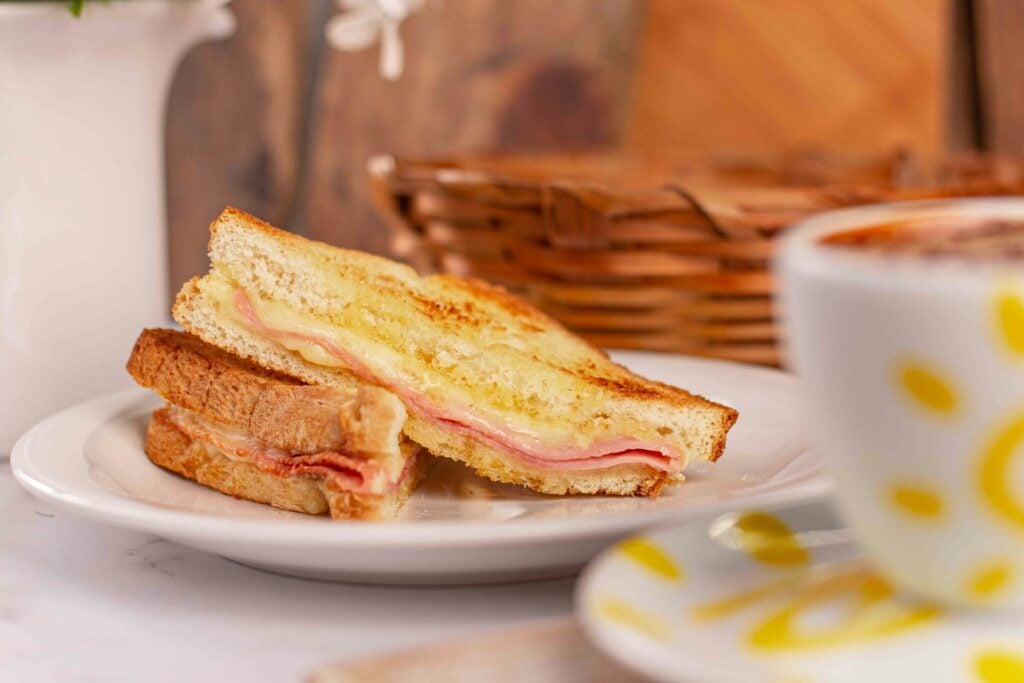
Fried Bologna Sandwiches
Bologna was an inexpensive lunch meat, and frying it made an ordinary sandwich feel special. They cooked thick slices until the edges curled and browned, then placed them between slices of white bread with mustard or mayonnaise. While bologna sandwiches haven’t disappeared completely, most students wouldn’t expect to find the fried version on their lunch trays.
Liver and Onions
Imagine sitting down for lunch and finding a plate of liver covered in cooked onions. Organ meats were inexpensive and nutrient-dense, making liver a practical choice for cafeterias trying to stretch their budgets. With its strong flavor and unusual texture, it’s hard to imagine many students today getting excited about it.
Cottage Cheese and Gelatin Salad
In the 1950s, gelatin wasn’t always considered dessert. People often mixed it with cottage cheese, canned pineapple, shredded carrots, or even celery, and served it as a salad alongside the main meal. These colorful, jiggly creations were popular then, but they would probably be a tough sell in most school cafeterias today.
Prune Whip
Prune whip was an old-fashioned dessert made by combining cooked, mashed prunes with sugar and whipped egg whites. The mixture created a light, fluffy dessert that was inexpensive to prepare using ingredients that were easy to store. Convincing today’s students to choose a bowl of prune whip over a cookie might take some serious persuasion.
Peanut Butter and Pickle Sandwiches
Peanut butter and jelly might still be a lunchbox favorite, but peanut butter and pickles tell a different story. This unusual combination paired creamy peanut butter with sliced pickles, creating a salty, tangy sandwich that was surprisingly popular in some mid-century households. Even in schools where peanut products are allowed, this particular sandwich would probably leave a few kids scratching their heads.
Buttered Rolls Sprinkled With Sugar
Freshly baked rolls were a common part of school meals, and some old-fashioned recipes took things further by adding butter and a generous sprinkle of sugar. The result was a sweet, filling side dish made from inexpensive pantry staples. Today’s school lunch programs emphasize whole grains and balanced meals, so a sugary, buttered roll would be an unusual addition to the everyday menu.
Spice Cake With Shortening Frosting
Homemade spice cake was a familiar dessert in mid-century kitchens, with cinnamon, nutmeg, and other warm spices providing most of the flavor. Some economical frosting recipes used shortening instead of butter, keeping costs down while creating a thick, sweet topping. Students today might still appreciate a slice of cake, but its dense texture and old-fashioned frosting would differ from what they’re used to.
Mock Apple Pie Made With Crackers
One strange old-fashioned dessert was mock apple pie, which used crackers instead of real apples. Sugar, lemon juice, and spices created a filling that was supposed to taste remarkably like traditional apple pie. Imagine telling students they’re getting apple pie for dessert, then explaining that it has no apples in it.
Breaded Brain Sandwiches
Brain sandwiches were once a regional specialty, particularly in parts of the Midwest, where people breaded, fried, and served animal brains on bread. Although the dish has a place in American food history, it wasn’t a universal school lunch staple. Still, the idea of a fried brain sandwich would probably make most modern students lose their appetites.
Creamed Chipped Beef on Toast
This old-fashioned dish combined thin pieces of dried beef with thick white gravy and served it over slices of toast. It was filling, inexpensive, and easy to prepare in large quantities, making dishes like it appealing for institutional kitchens.
Salmon Loaf
Before fish sticks became a familiar cafeteria food, people could turn canned fish into economical dishes such as salmon loaf. People mixed the salmon with breadcrumbs, eggs, and seasonings, then baked it in a pan and sliced it into portions.
Creamed Peas on Toast
Creamed vegetables were common in mid-century cooking, and peas in a thick white sauce were sometimes served over toast or alongside other simple foods. The ingredients were inexpensive, and canned peas made the dish convenient for kitchens preparing large meals.