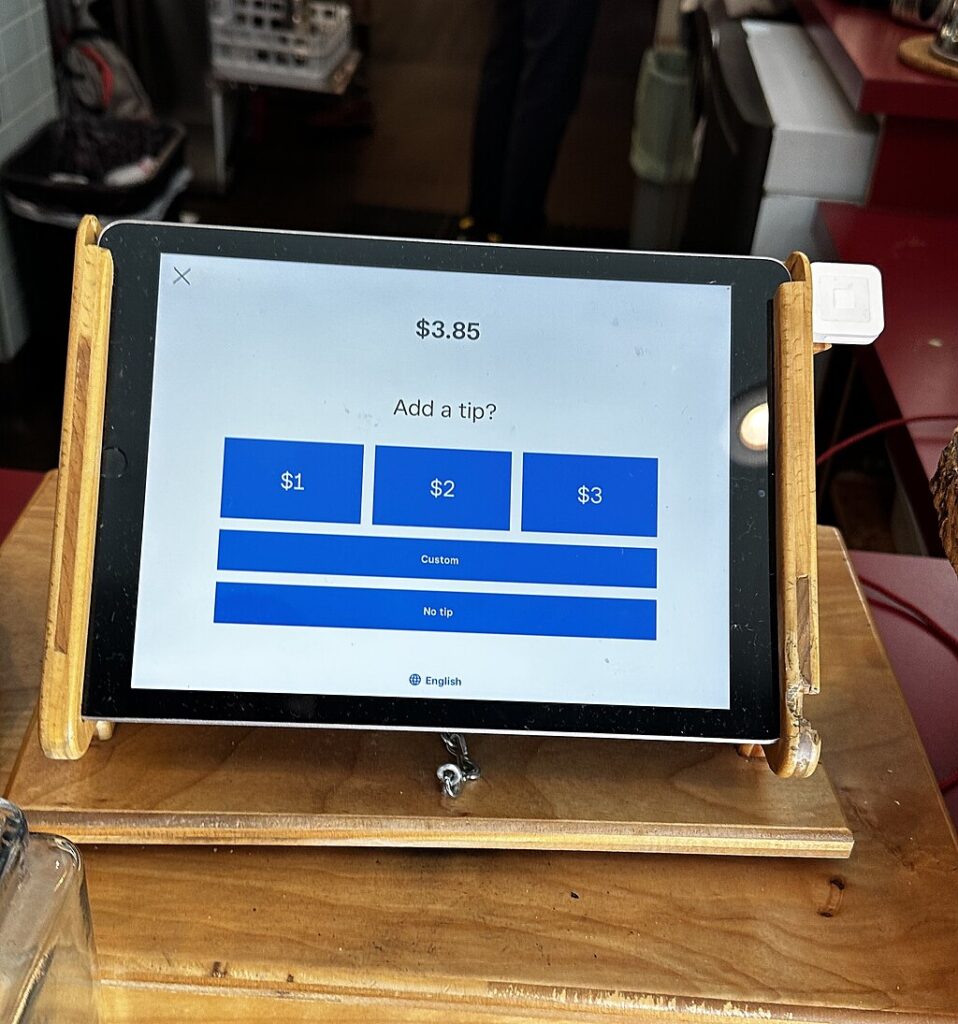
What used to be a simple grab-and-go transaction now often ends with a payment screen prompting you to add 15%, 20%, or even more. You’ve already driven to the restaurant, paid online, and picked up your own foodvyet you’re suddenly faced with a decision that feels bigger than it should.
The question seems simple: Should you tip for takeout or fast food? But in reality, it has become one of the most debated parts of modern dining.
Why Tipping Expectations Have Changed
Tipping was once largely associated with sit-down restaurant service. A server took your order, refilled drinks, brought your food, and checked in throughout the meal. Fast food counters and simple pickup orders rarely involved gratuity. The boundaries were clear.
But those lines have slowly blurred. As digital payment systems became standard, tip prompts started appearing everywhere, coffee shops, bakeries, food trucks, fast-casual counters, and even self-service kiosks. Technology made it easy to ask for a tip, and once the option was built into checkout screens, it quickly became common practice.
At the same time, restaurant roles have evolved. Counter staff may now handle online orders, package food carefully for transport, manage multiple ordering platforms, and juggle in-person customers, often all at once. What looks like a quick handoff at the register can involve several behind-the-scenes steps.
Wages and staffing structures have also contributed to the shift. In some restaurants, employees who assist with takeout still fall under tipped wage systems. In others, businesses rely on gratuities to help retain staff in a competitive labor market. As costs rise for both restaurants and consumers, tipping has increasingly become part of how compensation gaps are filled.
The result is a cultural gray area. The payment screen asks for a tip, but the traditional rules don’t always seem to apply. And that’s why so many customers pause, not because they don’t want to be generous, but because they’re unsure what the new normal is supposed to be.
What Staff Say About Takeout and Fast Food Tips
From the customer’s perspective, takeout can feel minimal. You order, you pay, someone hands you a bag. But from behind the counter, there’s often more happening.
Orders must be double-checked for accuracy, packaged carefully to prevent spills, labeled properly, and, when requested, customized to meet special requests. In full-service restaurants, the same staff who would normally be waiting tables may also handle takeout, and in many cases, they’re paid under tipped-wage structures.
For workers who rely on tips as part of their income, takeout gratuities can make a noticeable difference. When customers skip tipping entirely, those employees may lose earnings they would otherwise make during a dine-in shift.
Fast-food restaurants are a slightly different story. Most employees earn at least the standard minimum wage rather than a tipped base wage. Because of that, tipping hasn’t traditionally been expected in those settings. Still, some customers choose to leave a small amount, especially when staff go out of their way to accommodate special requests or handle a complicated order.
The divide often comes down to how people define “service.” Some feel tipping should reward attentive, ongoing interaction. Others believe effort behind the scenes deserves recognition, too.
So, Should You Tip — and How Much Is Enough?
There isn’t a one-size-fits-all answer. Instead, it helps to consider the context.
For simple counter-service pickup at a fast-food restaurant, tipping is generally optional. Rounding up or leaving a dollar or two for exceptional friendliness or extra help is thoughtful but not required.
For takeout from a full-service restaurant, especially when tipped staff are involved, many people leave a tip of 10–15%, particularly for larger or more complex orders. Big family meals, catering-style requests, or curbside service may justify a higher tip.
Delivery is usually clearer. Drivers often rely heavily on gratuities, and 15–20% is widely considered standard, with adjustments for distance, weather, and overall service.
At the end of the day, tipping for takeout and fast food comes down to awareness and intention. It shouldn’t feel like an automatic tax on every transaction, but it also isn’t meaningless. Understanding how workers are paid, how much effort goes into preparing your order, and what kind of service you actually received can help you decide what feels fair.
The screen may keep asking, but the choice is still yours.