We tend to think of the kitchen as the cleanest room in the house. It’s where we prep fresh meals, wash produce, and carefully cook food for the people we care about most. But even in a tidy kitchen, everyday tools can quietly collect bacteria, mold, residue, and even chemical contaminants, especially if they’re worn, scratched, or not cleaned as thoroughly as we assume.
In many cases, a deeper cleaning routine, better maintenance, or a smart replacement can make a big difference. Here are 13 popular kitchen tools that could be secretly contaminating your food, along with what you can do about it.
Reusable Grocery Bags
Reusable grocery bags are eco-friendly but often overlooked in cleaning routines. Raw meat juices, produce dirt, and spills can linger. Wash fabric bags weekly and dedicate separate bags for raw meats and produce to prevent cross-contamination.
Nonstick Cookware
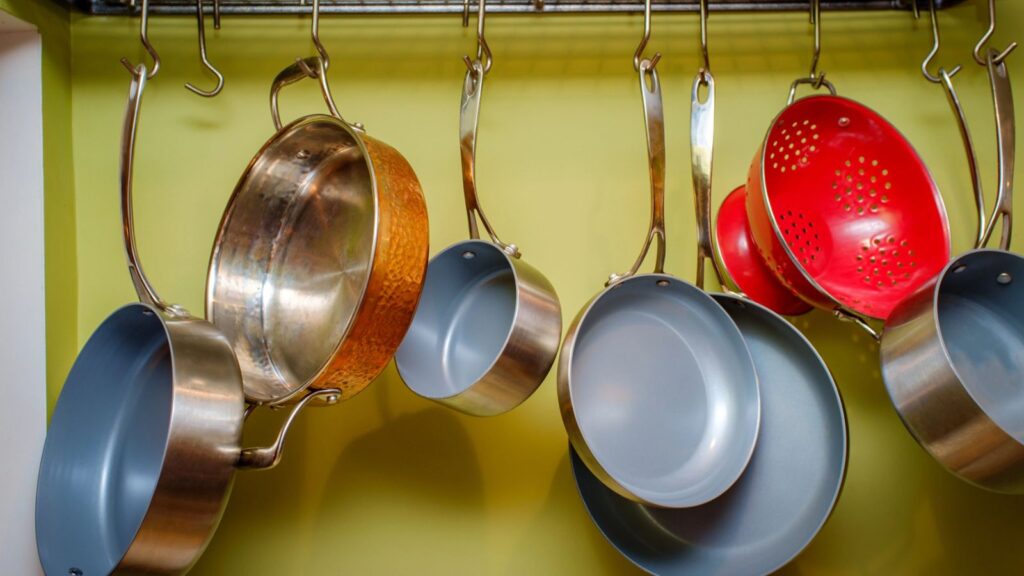
Older or scratched nonstick pans can pose risks if the coating begins to break down. Traditional nonstick coatings made with PTFE can release fumes when overheated, and flaking surfaces may mix with food.
If your pan is scratched, peeling, or warped, it may be time to replace it with stainless steel, cast iron, or newer ceramic-coated options.
Silicone Baking Mats
Silicone mats are reusable and convenient, but they can absorb oils over time. If not thoroughly washed, greasy residue can build up and harbor odors or bacteria. Wash them in hot, soapy water after each use and avoid abrasive scrubbers that can damage the surface.
Plastic Cutting Boards
Plastic boards develop knife grooves that trap food particles and moisture. Even after washing, those tiny cuts can harbor bacteria like Salmonella or E. coli. Replace deeply scarred boards regularly, sanitize them thoroughly, or consider switching to high-quality wood or bamboo boards that can be sanded down and maintained.
Graters
Cheese and vegetable graters have sharp edges and small holes that can easily trap food. If not cleaned immediately, residue can harden and become a breeding ground for bacteria. Use a brush to scrub both sides right after use, and replace graters once blades become dull or warped.
Plastic Food Storage Containers
Plastic containers, especially older ones, may leach chemicals when heated. Scratched interiors can also trap food residue. Avoid microwaving food in older plastic containers, and consider upgrading to glass containers for safer long-term storage.
Wooden Utensils
Wooden spoons and spatulas are sturdy and natural, but they can absorb moisture and develop cracks over time. Bacteria can settle in those crevices. Make sure wooden utensils dry completely between uses and replace them if they begin to splinter or crack.
Dish Sponges
Kitchen sponges are notorious for harboring bacteria. Their damp, porous structure makes them ideal breeding grounds for microbes. Replace sponges frequently, sanitize them regularly, or switch to washable dishcloths that can be laundered at high temperatures.
Blender Gaskets
The rubber gasket at the base of your blender jar can trap food and moisture, often going unnoticed. Mold can develop if this area isn’t cleaned thoroughly. Disassemble your blender completely after use and inspect the gasket regularly.
Knife Blocks
Knife blocks may look tidy, but the narrow slots collect crumbs and dust. Moisture from recently washed knives can also build up inside. Remove knives periodically, shake out debris, and wipe the interior if possible, or consider switching to a magnetic knife strip.
Cast Iron Pans
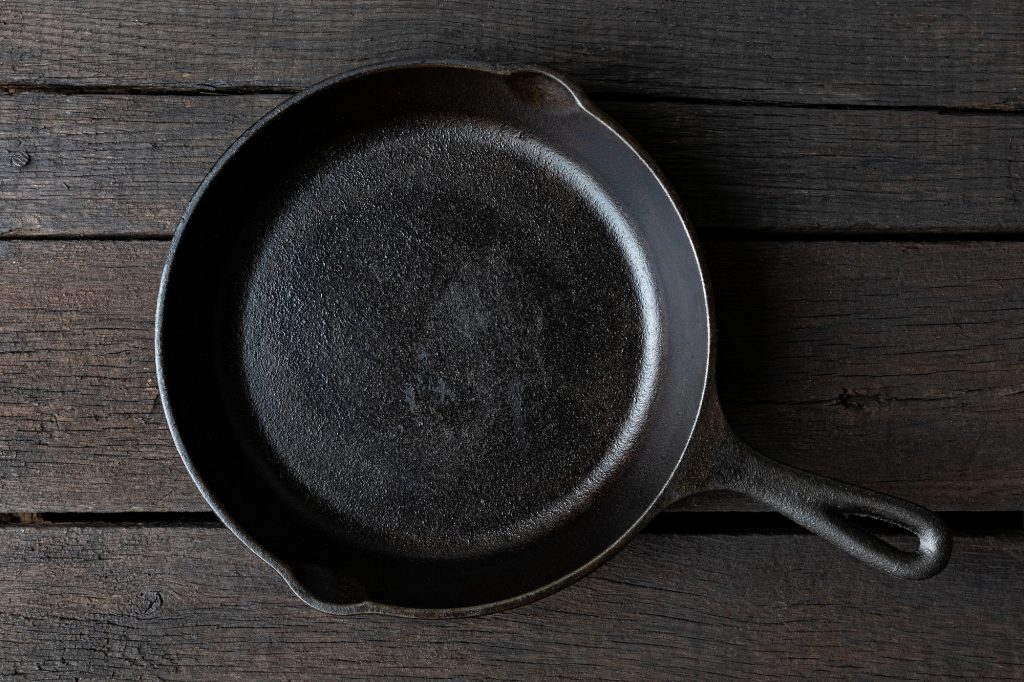
Cast iron is durable and safe when maintained properly, but built-up rancid oil or rust can contaminate food. Clean pans thoroughly after use, dry them completely, and re-season as needed to prevent corrosion and residue buildup.
Reusable Straws
Metal and silicone straws are environmentally friendly, but their narrow interiors are difficult to clean. Without proper brushing and drying, residue can accumulate. Use a small cleaning brush and wash them thoroughly after each use.
Salad Spinners
Salad spinners are convenient, but their multiple parts, crevices, and drainage grooves can trap moisture long after you’ve finished washing your greens. Damp environments create ideal conditions for bacteria to grow. If you use one regularly, disassemble all removable parts and allow them to dry completely before storing.