A trip to the grocery store may seem straightforward, but small details throughout the store can affect what catches your eye and what ends up in your cart. From product placement to checkout displays, retailers use tactics that can encourage shoppers to buy things they never planned to buy.
Many of these details blend into the usual shopping experience, so you might not notice them during a busy grocery run. Once you know what to watch for, it’s easier to stick to your list and keep extra spending under control.
Free Samples Can Lead to Unexpected Purchases
Free samples let shoppers try products they might never have considered buying. If you enjoy a sample of cheese, a snack, or a drink, you may feel tempted to buy the full-size product even if it wasn’t on your list.
Related: Why Grocery Stores Throw Away Food Instead of Donating It
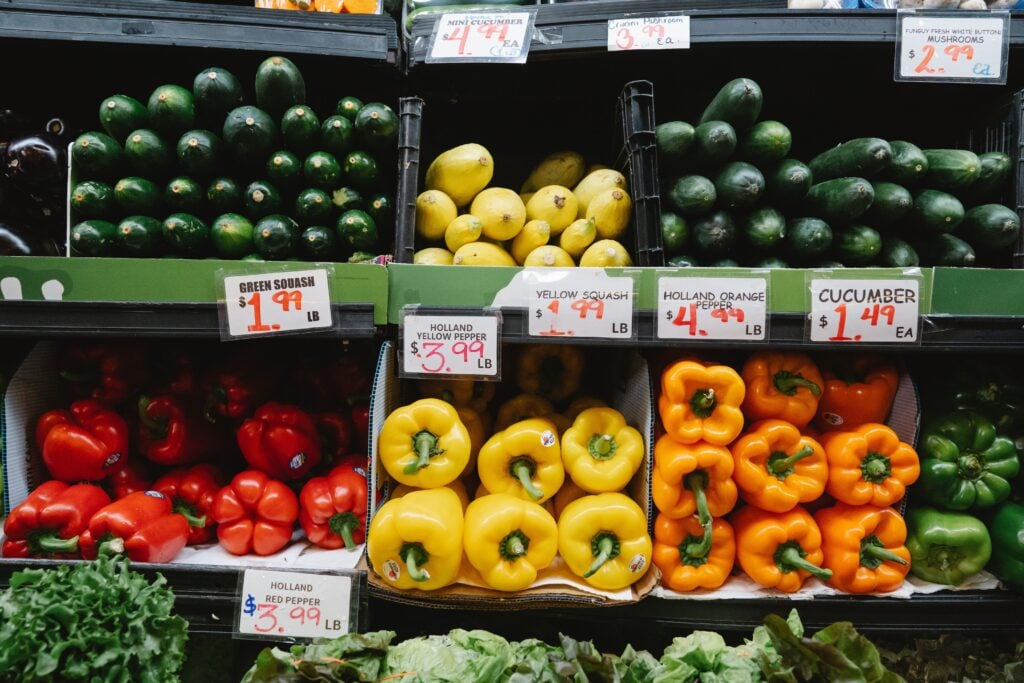
Prices Ending in .99 Make Items Seem Cheaper
A product marked at $4.99 may feel like a better deal than one priced at $5.00, even though the difference is just one cent. This pricing tactic can make a purchase seem less expensive than it is, so check the actual price and compare similar products before deciding.
Related: 12 Budget Grocery Stores That Can Save You Money Every Week
Everyday Essentials Are Often Far From the Entrance
Staples such as milk, eggs, and bread are sometimes placed toward the back of a grocery store, requiring shoppers to pass other products on the way. That extra time among the aisles creates more chances to spot snacks, drinks, and household goods you hadn’t planned to buy.
Related Article: Grocery Shopping Hacks That People Say Actually Work
Cold Drinks Near the Front Encourage Quick Purchases
Refrigerated drinks near an entrance or checkout offer a convenient option for thirsty shoppers or those in a hurry. Before grabbing one, compare its price with larger packs elsewhere in the store, since a single cold drink can cost more per serving.
Larger Carts Can Encourage Bigger Purchases
A spacious cart makes it easy to carry groceries, but it can leave room for extra items that weren’t part of your original plan. For a short shopping trip, a basket may help you stick to your list and think twice before adding unnecessary purchases.
Eye-Level Products Often Get More Attention
Products placed at eye level are easy to spot, giving them an advantage over items on the higher or lower shelves. Compare unit prices and check the surrounding shelves before choosing a product, since cheaper options may be just a few inches away.
Related Article: 8 Grocery Purchases That Frugal People Avoid Whenever Possible
Store Layouts Can Encourage More Browsing
Some grocery stores change product locations, leaving regular shoppers searching for items they used to find in a familiar spot. While looking for a moved product, you may notice other goods and add something to your cart that wasn’t on your original list.
Fresh Food Scents Can Affect Your Shopping Mood
The smell of freshly baked bread, pastries, or coffee can make a grocery store feel inviting and encourage shoppers to linger. Shopping on an empty stomach may make those smells even harder to resist, so eating a snack before you go can help you avoid impulse purchases.
Checkout Displays Encourage Last-Minute Additions
Candy, gum, snacks, batteries, and small household items are often placed near checkout lanes where shoppers can reach them while waiting. Each item may seem inexpensive on its own, but repeated impulse buys can add up over time.
Related Article: The Grocery Store Traps That Cost Shoppers More Than They Realize
Convenience Foods Often Cost More
Pre-cut vegetables, prepared meals, bagged salads, and ready-to-cook ingredients save preparation time, but they may cost more than whole ingredients. Buying whole vegetables and cooking at home can lower grocery costs, while ready-made options may still be worthwhile on especially busy days.
Knowing how grocery stores arrange products and promote certain purchases can help you shop with more care. Make a list, compare unit prices, and pause before adding extras so more of your money goes toward the groceries you actually need.