Prepping does not have to mean buying expensive gear or trying to build a stockpile overnight. For a lot of people, it simply means getting a little more prepared a little at a time, using what they already have, spending carefully, and making choices that help their household feel more secure.
That is where frugal prepping makes a lot of sense. It is about building practical habits that save money, reduce waste, and make everyday life a little more resilient.
Growing food, learning useful skills, storing extra basics, and finding ways to do more with less can all help you feel better prepared without putting extra strain on your budget. If you want to be more ready for the unexpected, these frugal prepping tips are a good place to start.
Grow Your Own Food
Growing even a small amount of food can make a difference when you are trying to cut costs and become more self-reliant. A few containers of herbs, a raised bed of greens, or a backyard row of beans and tomatoes can give you fresh food while helping you rely a little less on the store.
It also adds up over time. Perennial plants like berry bushes, fruit trees, and herbs can keep producing year after year, which makes them especially worthwhile for anyone trying to prep on a budget.
Save Seeds
Seed saving is one of the easiest ways to stretch your garden budget from one season to the next. Instead of buying new packets every year, you can save seeds from healthy, productive plants and use them again when it is time to plant.
It is a practical habit that gets more valuable the longer you do it. Starting with easy crops like tomatoes, peppers, beans, and lettuce can help you build confidence without making it complicated.
Compost What You Can
Compost is one of the most useful things you can make at home for almost no cost. Kitchen scraps, leaves, grass clippings, cardboard, and other organic materials can all be turned into something that improves your soil and helps your garden grow better.
It is also a good way to waste less. Instead of throwing away useful material, you are turning it into something that can help produce more food later.
Preserve Extra Food
Food preservation helps you get more value out of what you grow, buy, or find on sale. Freezing, dehydrating, canning, and fermenting can all help extend the life of food and keep your pantry stocked with useful basics.
This is especially helpful when prices are high or certain foods are seasonal. Putting away a little extra when something is abundant can save money later and give you more flexibility during leaner times.
Barter With Neighbors
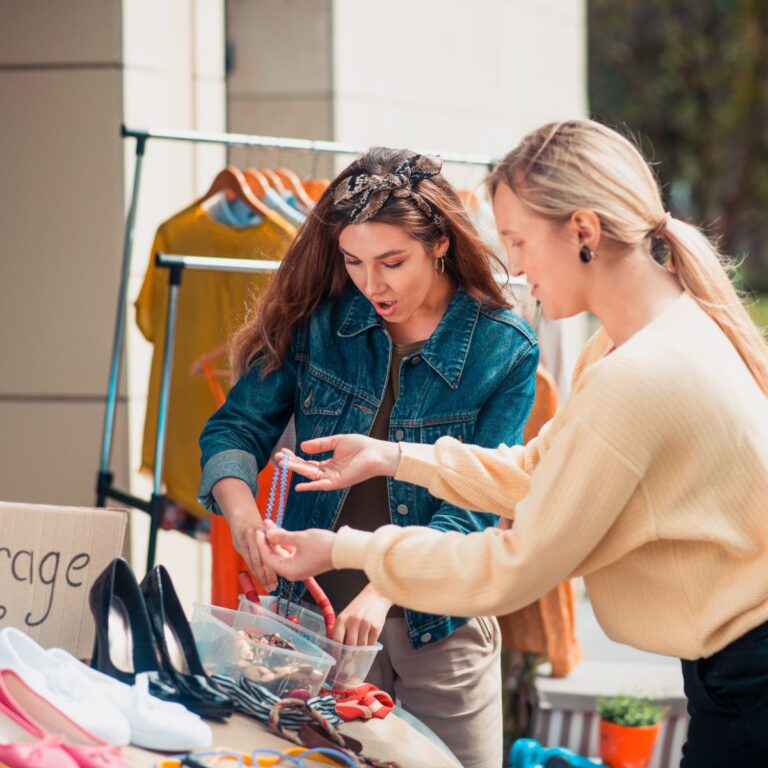
Being prepared is not always about doing everything alone. Sometimes it is about building good relationships with people nearby who have different skills, supplies, or resources to trade.
Bartering can help everyone save money while making better use of what they already have. Extra eggs, garden produce, seedlings, firewood, baked goods, or handyman help can all become useful trade items in the right community.
Buy in Bulk When It Makes Sense
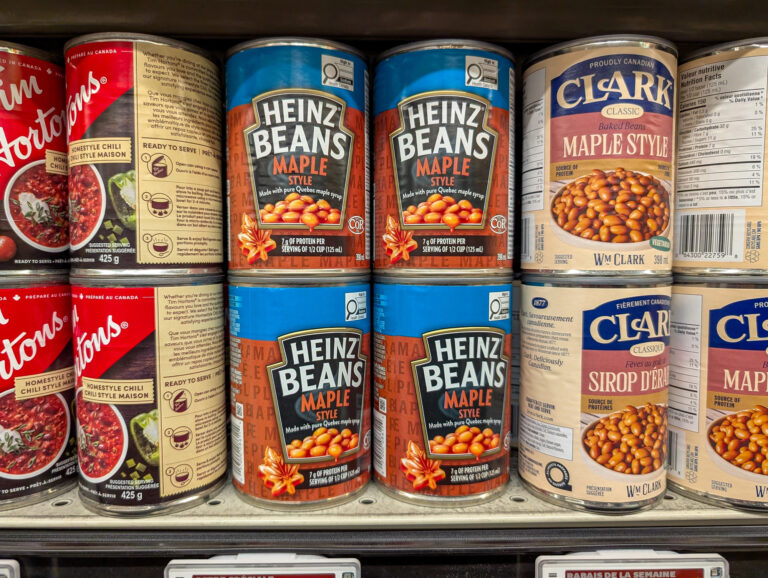
Buying in bulk can be a smart prepper habit, especially for foods and supplies you already use regularly. Rice, beans, oats, flour, salt, sugar, and other shelf-stable basics often cost less per unit when bought in larger amounts.
The key is to buy what you will actually use and store it properly. Bulk buying only saves money when the items do not go to waste, so it helps to start with staples your household already uses often.
Reuse and Repurpose What You Already Have
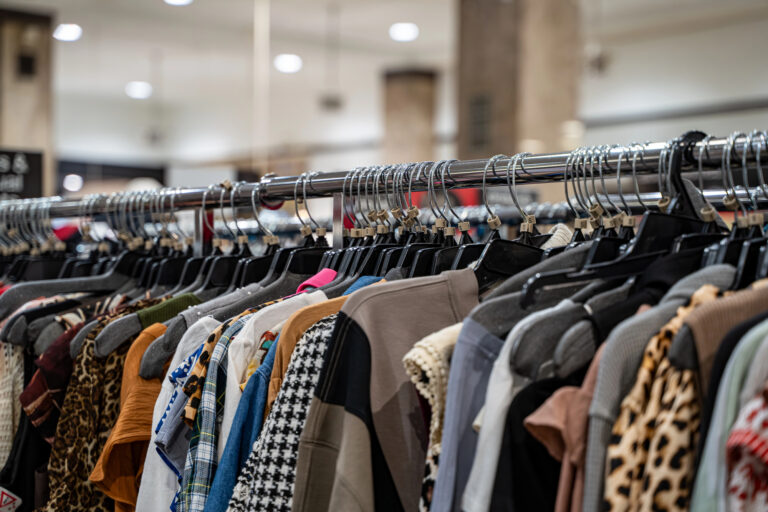
Frugal prepping often starts with looking at what is already around you in a different way. Containers, jars, old furniture, scrap wood, worn clothing, and extra materials can often be reused for storage, gardening, repairs, or household projects.
This kind of thinking saves money and encourages a more practical mindset. Instead of immediately buying something new, you start asking whether something you already have could do the job.
Make Basic Cleaning Supplies at Home
Store-bought cleaners can add up quickly, especially if you buy several different products for different rooms. Simple ingredients like vinegar, baking soda, and dish soap can handle many everyday cleaning tasks for less money.
Keeping things simple also means fewer products to store and replace. For many households, basic homemade cleaning solutions are enough for most routine jobs.
Lower Energy Use Where You Can
Frugal prepping is not just about storing food. It is also about reducing dependence on systems that can become expensive or unreliable, which includes household energy use.
Simple steps like using blackout curtains, sealing drafts, line-drying clothes, keeping extra blankets on hand, or using small solar lights can help lower bills and make outages easier to manage. Even small changes can add up over time.
Collect Rainwater
Rainwater collection can be a practical way to reduce water use, especially for gardens and outdoor chores. A basic rain barrel setup can help you use water that would otherwise run off your roof and be lost.
For gardeners, this can be especially helpful during dry stretches. It is another way to use available resources wisely, rather than paying for everything from the tap.
Learn Basic Foraging Skills
Foraging can be a useful skill if it is approached carefully and responsibly. Learning to identify a few safe local plants, berries, or nuts can help you supplement your food supply and increase your awareness of what grows around you.
This is not something to rush into, but it can be a valuable skill over time. Starting with expert guidance, trusted field guides, and common easy-to-identify plants is the safest approach.
Learn More DIY Skills
One of the best ways to prep frugally is to become more capable of handling small problems on your own. Basic repair skills can save money and reduce stress when something breaks around the house or yard.
Learning how to patch clothes, fix a fence, sharpen tools, unclog drains, or repair simple equipment can make everyday life easier and keep small issues from turning into expensive ones.
Choose Animals That Give Back More Than One Thing
For anyone with enough space, livestock can be part of a frugal prepping plan, but it helps to think carefully about value. Animals that provide more than one benefit, like eggs and meat, or milk and manure, can make better use of your feed, time, and space.
The goal is not just to have animals. It is to raise ones that fit your needs, your land, and your budget in a practical way.
Grow Useful Herbs
A small herb garden can do more than add flavor to meals. Many herbs are easy to grow, useful in the kitchen, and helpful to keep around for teas, salves, or simple home remedies.
Even a few pots of herbs can be worthwhile. Plants like mint, chamomile, lavender, thyme, oregano, and lemon balm can all earn their place by being useful in multiple ways.