
Trader Joe’s makes grocery shopping feel a little less expensive. From frozen meals and specialty cheeses to snacks, sauces, and pantry staples, the store offers plenty of interesting finds at prices shoppers rarely see elsewhere.
The low prices aren’t just about luck or special promotions. Trader Joe’s keeps costs down through its product selection, store layout, and the way it buys and sells groceries. Here are 12 reasons the chain can offer so many affordable options.
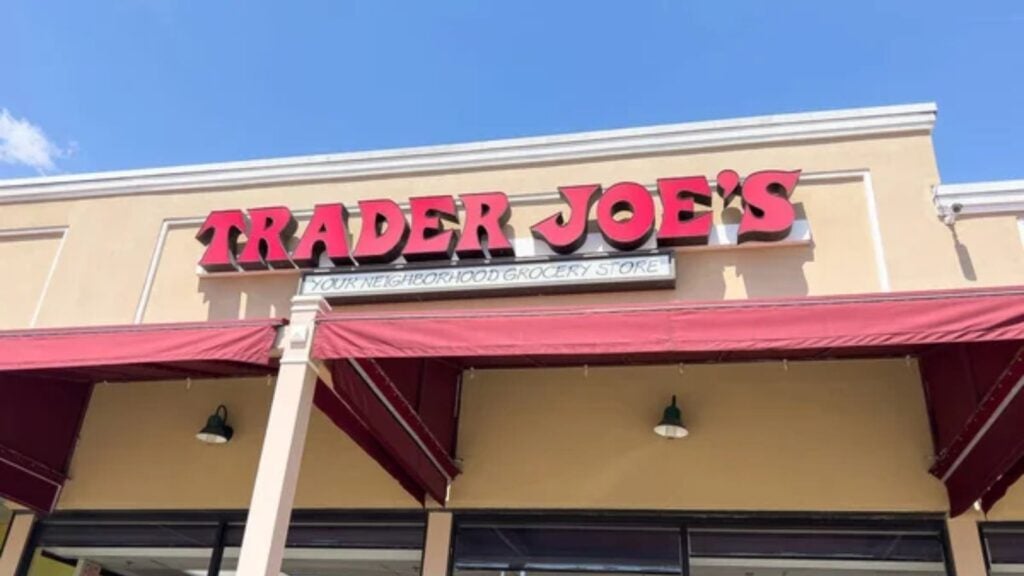
Most Products Are Store Brands
Take a look around Trader Joe’s, and you’ll notice that most products carry the store’s own label instead of a familiar national brand. Selling private-label goods gives the company more control over its product selection and helps cut costs associated with national-brand marketing and distribution.
Related: 10 Trader Joe’s Secrets Employees Wish More Shoppers Knew
They Spend Very Little on Advertising
Trader Joe’s doesn’t rely on the kind of large advertising campaigns common at many major grocery chains. Much of its publicity comes from customer recommendations, social media, and its well-known Fearless Flyer, which features products and seasonal finds.
Related: Grocery Shoppers Are Filling Their Carts With Store Brands Instead of Name Brands
Stores Are Smaller
Trader Joe’s stores are usually more compact than traditional supermarkets. Smaller spaces can mean lower rent, utility bills, and maintenance expenses, but they also give employees less floor space to manage.
They Keep Their Product Selection Limited
Many supermarkets carry several brands and sizes of the same item, but Trader Joe’s tends to offer fewer choices in each category. A focused selection makes inventory easier to manage and lets the company concentrate on products customers are likely to buy.
Related: Trader Joe’s Employees Say These Shopping Habits Drive Them Crazy
Popular Products Stay, Slow Sellers Go
Trader Joe’s regularly changes its lineup, and slow sellers may disappear from the shelves. This gives the store room for seasonal items and new finds while reducing the need to keep stock that customers aren’t buying.
They Buy Directly From Suppliers
Trader Joe’s works with suppliers and manufacturers to source products for its stores, often selling them under its own label. More direct purchasing can reduce distribution and branding costs, helping the company keep prices competitive.
Stores Are Designed for Efficiency
Some Trader Joe’s products sit in their original shipping boxes or display cartons rather than being individually arranged on shelves. This cuts down on the time employees spend unpacking and arranging stock, leaving more time for other store duties.
They Skip Loyalty Programs
Trader Joe’s doesn’t have a traditional rewards program with points, membership tiers, or a store loyalty card. Instead, shoppers see prices available to everyone, no sign-up or purchase tracking needed to qualify for special deals.
Related: 15 Grocery Store Loyalty Programs Worth Joining (And the Money-Saving Perks Most Shoppers Miss)
They Rarely Offer Coupons
Shoppers won’t find the usual weekly coupon cycles and constant promotional events at Trader Joe’s. The company focuses on everyday prices, so customers can shop without waiting for a particular brand or product to go on sale.
Employees Often Handle Multiple Jobs
Trader Joe’s crew members often switch between ringing up purchases, stocking shelves, answering questions, and helping customers find products. Cross-training lets stores use their staff more effectively throughout the day instead of assigning every task to a separate team.
Their Stores Are Easier to Manage
A smaller store with a focused selection can be easier to keep organized than a supermarket with thousands of products and long aisles. Employees can spend less time covering large areas, while shoppers can often find what they need without walking through an enormous store.
They Focus on Everyday Value
Trader Joe’s builds its grocery model around offering products at competitive prices instead of relying on frequent sales to attract shoppers. Customers who return for their favorite frozen meals, snacks, and pantry staples know they can shop without checking a weekly ad before every visit.