For decades, grocery shoppers often reached for familiar name brands without thinking twice. But today, many consumers are quietly changing their habits. Store brands, also known as private labels, are showing up in more shopping carts than ever before.
These products were once seen as basic budget options with plain packaging and lower expectations. Now they are competing directly with major brands on quality, taste, and presentation. As grocery prices continue to rise, shoppers are discovering that store brands often deliver the same experience for far less.
Here are the key reasons grocery shoppers are increasingly choosing store brands over name brands.
1. Lower Prices Make an Immediate Difference
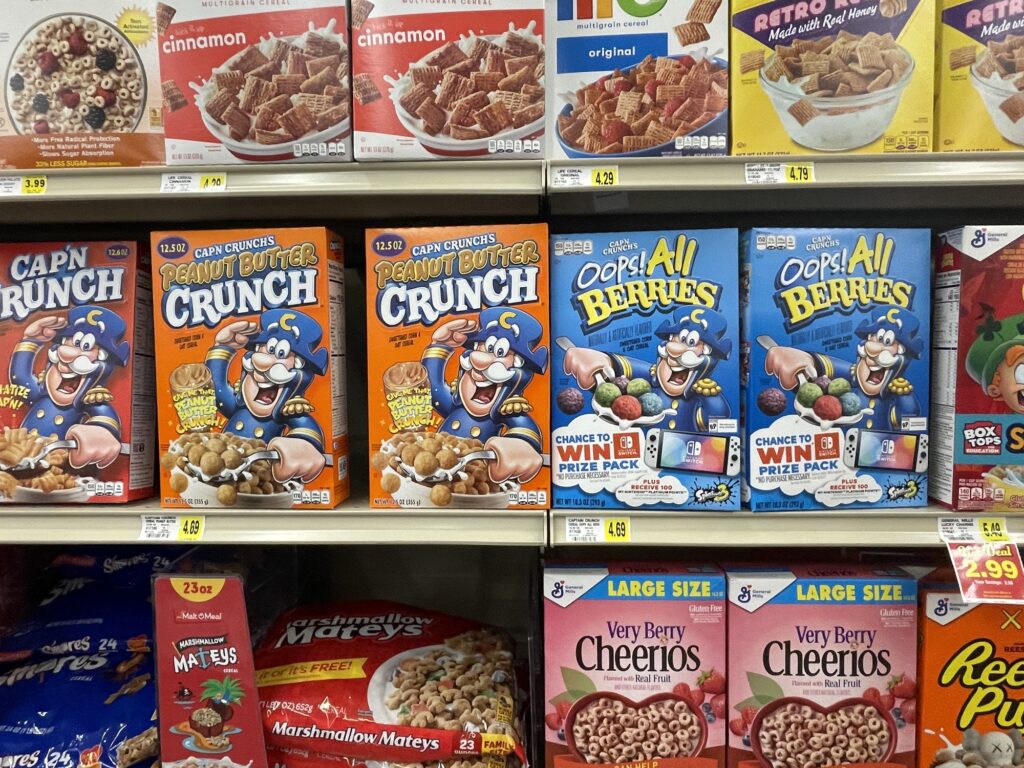
The most obvious reason shoppers are switching to store brands is simple: price. Store-brand products are often significantly cheaper than national brands sitting right beside them on the shelf.
Without the massive advertising budgets that big brands rely on, retailers can offer similar products at a lower cost. For families trying to stretch their grocery budget, swapping just a few items for store-brand alternatives can make a noticeable difference at checkout. Over the course of a year, those savings can add up to hundreds of dollars.
2. Inflation Has Changed Shopping Habits
Rising grocery prices over the past few years have forced many households to rethink how they shop. As everyday essentials become more expensive, shoppers are paying closer attention to value.
Instead of automatically reaching for familiar logos, many consumers are comparing prices more carefully. When shoppers see that the store brand costs significantly less while appearing nearly identical, the choice becomes easier. Inflation has pushed many people to experiment with alternatives they may have previously overlooked.
3. The Quality Gap Has Largely Disappeared
Years ago, store brands were often associated with lower quality or generic taste. That perception has changed dramatically. Many retailers now invest heavily in product development to ensure their private-label products compete directly with national brands.
In blind taste tests, some store-brand items perform just as well or even better than their well-known counterparts. As shoppers realize the quality difference is minimal or nonexistent, brand loyalty becomes less important.
4. Packaging Has Become Much More Appealing
Another major reason store brands are gaining popularity is improved packaging. In the past, private-label items often came in plain designs meant to signal affordability.
Today, grocery chains use modern graphics, attractive labels, and premium-looking packaging to compete visually with national brands. When store-brand items look just as appealing on the shelf, shoppers are more willing to give them a chance.
Better packaging helps elevate the perception of quality, making store brands feel less like a compromise.
5. Many Store Brands Are Made by the Same Manufacturers
One of the lesser-known realities of grocery production is that some store-brand items are manufactured by the same companies that produce national brands. Manufacturers sometimes produce additional versions of their products for retailers under private-label agreements.
While the packaging and branding may differ, the product inside can be remarkably similar. Once shoppers realize this, they often feel more comfortable choosing the less expensive option.
This behind-the-scenes reality has made it easier for consumers to trust store-brand alternatives.
6. Shoppers Often Can’t Tell the Difference
Many consumers believe they can easily identify name brands versus store brands. However, research shows that shoppers often struggle to distinguish between the two when they appear side by side.
When labels are removed or packaging is redesigned, the difference becomes even harder to detect. As a result, shoppers sometimes choose store brands without realizing it.
This growing similarity has helped private-label products gain acceptance across many grocery categories.
7. Retailers Are Investing Heavily in Their Own Brands
Retail chains are no longer treating private labels as simple budget options. Many retailers now develop entire product lines designed to compete directly with premium brands.
Stores like Aldi, Trader Joe’s, and Costco have built strong reputations around their exclusive products. These store-brand items are often marketed as unique offerings rather than simple substitutes.
As retailers continue to invest in their own brands, shoppers are discovering products they can only find in those stores.
8. Store Brands Offer Better Overall Value
For many consumers, the decision ultimately comes down to value. If a product delivers similar taste, performance, and quality for a lower price, brand loyalty becomes less important.
Shoppers today are more willing to experiment with alternatives and decide for themselves what is worth the money. When store-brand products consistently deliver good results, they quickly earn repeat purchases.
Over time, that shift can quietly replace national brands in the shopping cart.
9. Even Higher-Income Shoppers Are Making the Switch
Choosing store brands is no longer limited to budget-conscious households. Many middle- and higher-income shoppers are also embracing private-label products as a smart way to spend less without sacrificing quality.
For these consumers, the decision isn’t necessarily about financial pressure. Instead, it’s about recognizing when a lower-priced product offers the same experience.
As more shoppers adopt this mindset, store brands continue gaining ground across grocery aisles.