
Children are naturally curious, and touching, climbing, opening, and exploring things around the house are part of how they learn. The trouble is that ordinary household objects can pose serious risks when little hands get hold of them.
You don’t have to remove everything from your home to keep children safe. Knowing which items to lock away, store securely, or keep out of reach can help prevent accidents.
Plastic Bags
Plastic shopping bags, dry-cleaning bags, and other thin plastic packaging can pose a suffocation risk if a child pulls one over their head. Store bags in a secure place; dispose of damaged ones promptly. Store plastic bags securely where young children can’t play with them.
Tools and Hardware
Hammers, screwdrivers, nails, wrenches, and other tools can cause cuts, puncture wounds, and other injuries. Keep toolboxes closed and locked when possible, and store small hardware in secure containers that children cannot open.
Related Article: Household Electrical Glitches That Demand Immediate Attention
Cleaning Supplies
Bleach, drain cleaners, laundry detergent pods, dishwasher tablets, and other cleaning products can cause poisoning, burns, or eye injuries if mishandled. Keep them in their original containers inside locked cabinets, and never transfer chemicals into drink bottles or food containers.
Sharp Objects
Kitchen knives, scissors, box cutters, and vegetable peelers can cause serious cuts if children get hold of them. Put these tools away immediately after use and store them in drawers or cabinets secured so young children can’t access them.
Medications
Prescsotamins, and ove can’t access themr-the-counter medicines can look like sweets to a curious child, but swallowing even a small amount of certain medicines can be dangerous. Keep all medications in their original, child-resistant containers inside a locked storage area, and never leave pills on bedside tables or countertops.
Small Choking Hazards
Coins, buttons, beads, marbles, and small toy parts can become choking hazards for babies and young children. Button batteries and powerful small magnets pose additional dangers if swallowed, so store them securely and check play areas regularly for loose objects.
Electrical Outlets
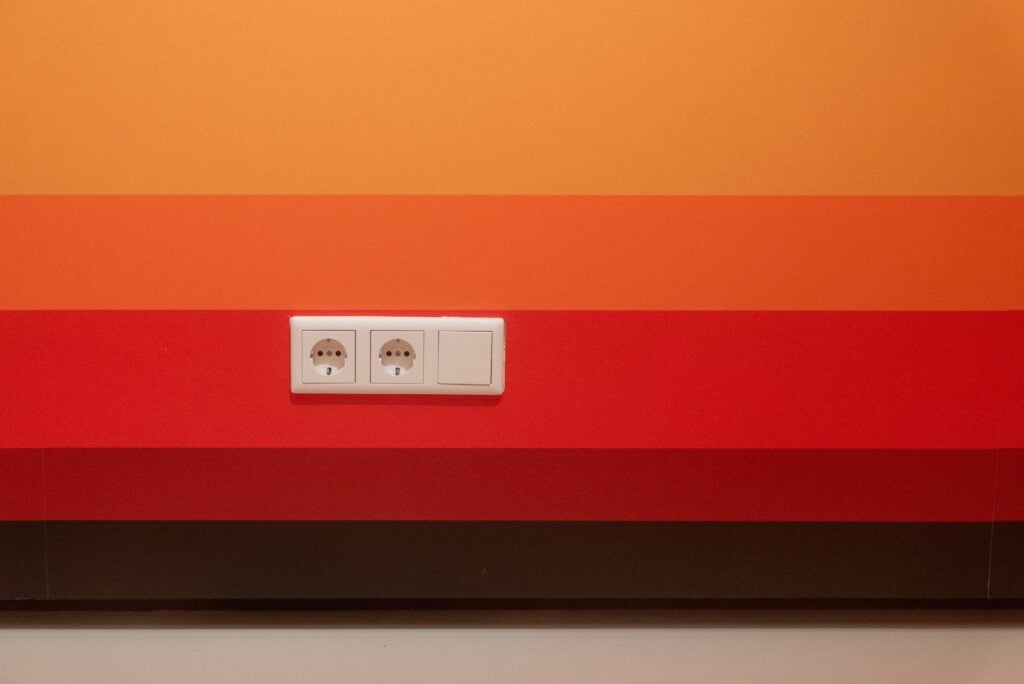
Young children may try to insert fingers, toys, or other objects into electrical outlets, putting them at risk of shock. Use tamper-resistant outlets or suitable child-safety covers, and keep electrical cords and plugged-in devices out of reach.
Related Article: 14 ’90s Household Gadgets Kids Today Would Never Understand
Hot Beverages
A mug of coffee, tea, or hot chocolate can cause serious scalds if a child pulls it down or knocks it over. Keep hot drinks away from table edges, avoid holding them while carrying a child, and never leave a hot cup within a child’s reach.
Matches and Lighters
Matches and lighters can start fires and cause burns, even when a child is only trying to copy what adults do. Store them in a locked location out of children’s reach, and never leave them on countertops, coffee tables, or beside candles.
Scented Candles
Lit candles can burn curious children and may start a fire if they are knocked over. Keep candles and matches out of reach, place burning candles on stable surfaces away from flammable materials, and extinguish them before leaving the room.
Heavy Objects
Large picture frames, decorative vases, televisions, and stacks of books can injure children if they fall from shelves or furniture. Secure heavy furniture and televisions to the wall where appropriate, and keep breakable or weighty objects away from table edges and unstable shelves.
Related Article: Practical Fixes for Common Household Issues Without Calling a Pro
Certain Food Items
Whole grapes, popcorn, hard candy, nuts, and chunks of hot dog can pose choking risks for young children, especially those under four. Serve age-appropriate foods in safe sizes and shapes, and supervise children closely while they eat.
Garden Chemicals
Fertilizers, weed killers, insecticides, and pesticides can harm children if they swallow them or if they contact their skin or eyes. Store them in their original labeled containers in locked storage, and follow label directions for use and storage.
Related: Everyday Items That Are Hidden Fire Hazards Waiting to Happen
Plastic Wrap
Plastic wrap and its packaging can pose suffocation or choking risks for young children. Keep the roll and used pieces out of reach, and discard scraps immediately rather than leaving them on counters or tables.
Childproofing doesn’t have to happen all at once, but it helps to look at your home from a child’s point of view and check what they could reach, pull down, open, or swallow. Store hazardous items securely, supervise young children, and revisit your setup as they grow and learn new ways to explore.