Imagine paying thousands of dollars a month for an apartment, only to find out that you have to buy your own refrigerator. As surprising as that sounds, it wasn’t unusual for some California renters, especially in Los Angeles.
For years, California landlords weren’t legally required to provide a refrigerator in their rental properties. That meant tenants could move into an apartment with a kitchen but still have to buy one of its most basic appliances.
But a new California law that took effect on January 1, 2026, has changed that. Landlords must now provide working refrigerators and stoves in most rental properties covered by new, renewed, or amended leases.
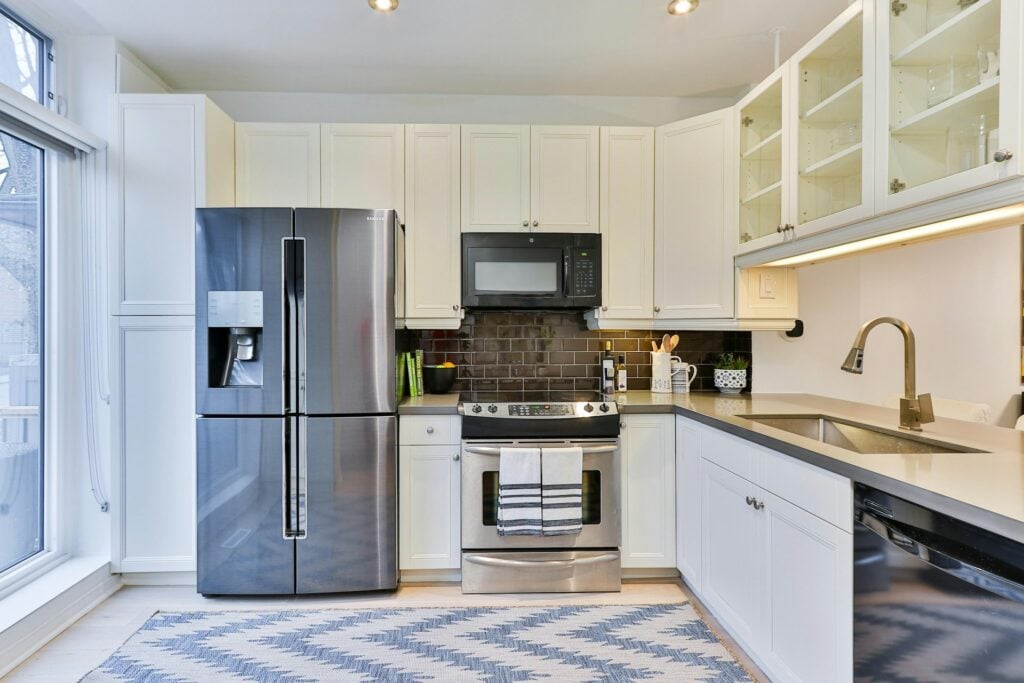
California Renters Were Expected to Bring Their Own Refrigerators
While many apartments already came with refrigerators, it wasn’t always guaranteed. In some California rental markets, tenants had to buy their own, arrange delivery, and figure out what to do with the appliance when they moved out.
And refrigerators aren’t exactly cheap. According to Realtor.com, renters could spend anywhere from $600 to $1,200 purchasing one, on top of their security deposit, moving expenses, and first month’s rent.
For someone already stretching their budget to afford an apartment, that was another expense to worry about before even unpacking.
A New Law Changes What Landlords Must Provide
Under California Assembly Bill 628, landlords must now provide a working refrigerator and stove in covered rental units.
The requirement applies to leases entered into, amended, or extended on or after January 1, 2026. It also means landlords are generally responsible for maintaining the appliances and making sure they remain in working condition.
The appliances don’t have to be brand-new or expensive. They simply need to work properly and safely store food or provide heat for cooking.
The law does include exceptions for certain housing arrangements, including some single-room occupancy units, residential hotels, permanent supportive housing, and properties with shared kitchens.
Related: 10 Apartment Upgrades You Can Do Without Angering Your Landlord
What If a Tenant Already Owns a Refrigerator?
Renters who already have their own refrigerator don’t necessarily have to get rid of it.
The law lets tenants keep a refrigerator they own, as long as both parties agree to the arrangement when signing the lease. However, the decision must be voluntary, and landlords cannot make bringing your own refrigerator a condition of renting the property.
The agreement must also be documented in the lease. If the tenant later decides they no longer want to provide their own refrigerator, they can give the landlord 30 days’ written notice, after which the landlord must provide one.
Landlords Are Also Responsible for the Stove
Refrigerators aren’t the only appliances covered under the new law. California landlords must also provide a working stove that allows tenants to safely prepare meals.
Unlike refrigerators, tenants cannot agree to supply their own stove instead of having the landlord provide one under this requirement.
The law also addresses recalled appliances. If a stove or refrigerator is subject to a manufacturer or public agency recall, landlords must repair or replace it within 30 days of receiving notice.
What This Means for California Renters
For renters, the biggest change is one less major expense to worry about when moving into an apartment.
Instead of shopping for a refrigerator, paying for delivery, and potentially moving it again a year later, tenants covered by the law can generally expect one included with their rental.
The new requirement also makes landlords responsible for keeping the appliances they provide in working order, rather than leaving tenants to cover those expenses.
Of course, the law doesn’t mean every California apartment must immediately receive new appliances. Its requirements depend on when a lease is entered into, renewed, or amended, and certain properties are exempt.
Renters should review their lease and ask questions about which appliances are included before moving in. If a rental doesn’t meet the new requirements, tenants can contact their local housing department or a tenant assistance organization to learn what steps they can take.
For California renters who once had to bring their own refrigerator, it’s a significant change to what they can expect when renting a home.