Your water bill can creep up without you noticing, especially if a few everyday habits are wasting more water than you realize. Long showers, dripping faucets, half-empty laundry loads, and frequent outdoor watering can all add to your monthly usage.
You don’t need major changes around the house to start saving. A few small adjustments can help cut down on wasted water and leave a little more room in your budget.
Lower Your Water Heater Temperature
Your water heater can account for a large part of your home’s energy costs, especially if it’s set hotter than your household needs. Keeping the temperature around 120°F is a common recommendation for many homes and can help reduce the energy needed to heat water.
If your water heater sits in a cold garage or basement, adding insulation can help prevent heat from escaping. A water heater insulation blanket and pipe insulation wrap are two options that can help keep water warm while reducing heat loss.
Stop Running Appliances Half Full
Starting the dishwasher or washing machine with just a few items means you’re using water for a load that could wait. Making a habit of running full loads can help you get more out of each cycle.
Check whether your appliances have an eco or water-saving setting, since these cycles may use less water for certain loads. If you’re shopping for replacements, look at high-efficiency front-load washers and water-saving dishwashers.
Shorten Showers
A long, hot shower can use quite a bit of water, especially if everyone in the household spends extra time in the bathroom. Cutting a few minutes from your usual shower can make a difference over a month.
A low-flow showerhead can help reduce water use without making your shower feel uncomfortable. You don’t have to rush through every shower, but watching the time is a good place to start.
Upgrade Your Faucets
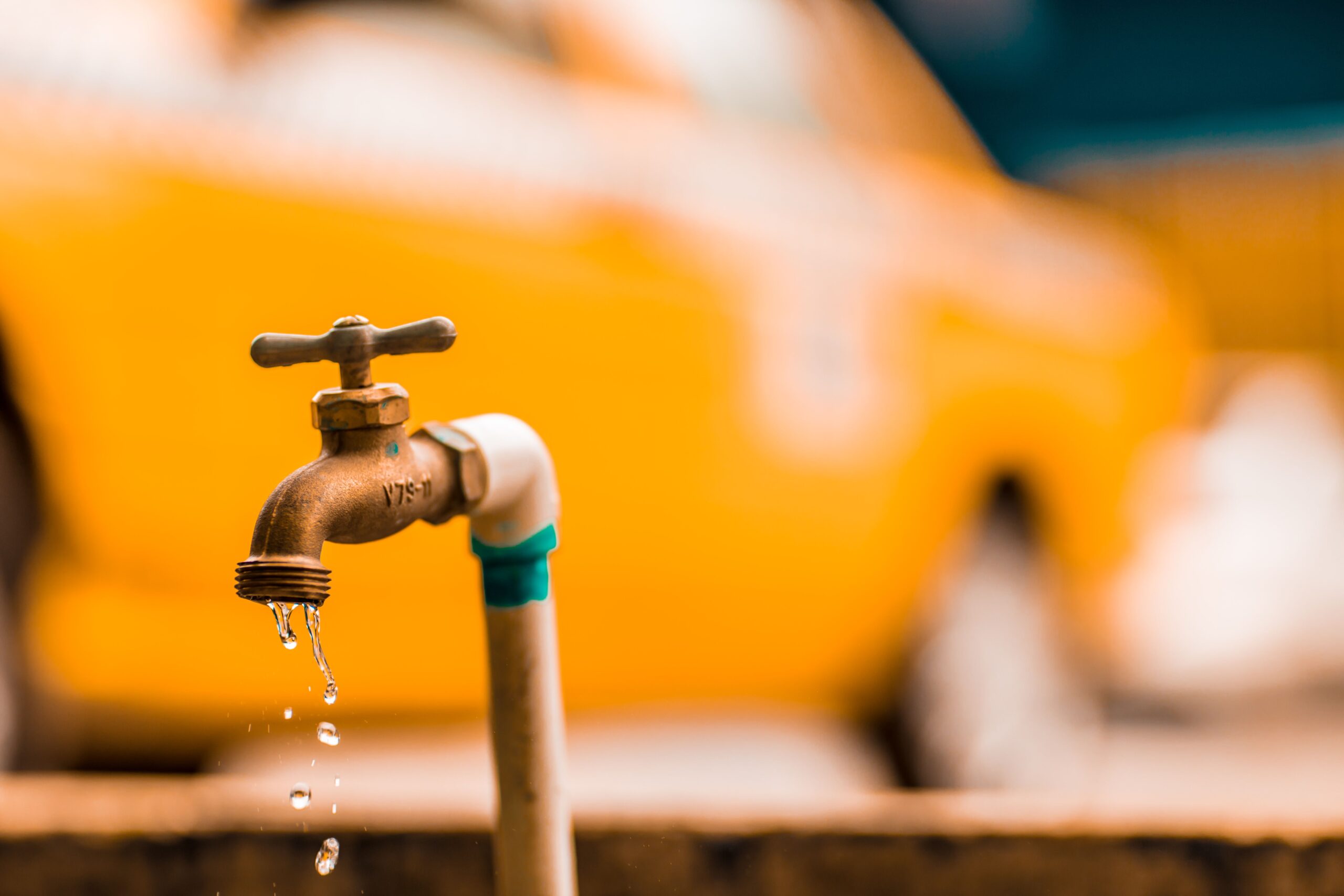
A dripping faucet or one that releases more water than necessary can waste gallons over time. You may not need to replace the entire fixture to cut that usage.
A faucet aerator is an inexpensive option that mixes air into the water stream and reduces the amount flowing from the tap. If you’re buying a new faucet, look for a WaterSense-labeled model that meets water-efficiency standards.
Skip the Pre-Rinse and Let Your Dishwasher Work
Many people rinse their plates under running water before loading the dishwasher, even when they don’t need to. For most modern machines, scraping leftover food into the trash is enough before loading the dishwasher.
Skipping the pre-rinse can save water every time you run a load. Check your dishwasher’s instructions and use a detergent recommended for your machine to get clean dishes without spending extra time at the sink.
Fix Small Leaks Before They Become Expensive
A dripping faucet may seem harmless, but a leak that continues day and night can waste a surprising amount of water. Toilet leaks are easy to miss, especially when water is slowly escaping into the bowl without making a sound.
A toilet leak detection kit can help you find out whether your toilet is leaking. Check under sinks, around toilets, near outdoor faucets, and along exposed pipes to catch small problems before they lead to higher bills.
Turn Off the Water When You Can
Leaving the faucet running while brushing your teeth, shaving, or washing your hands sends water straight down the drain. Turning it off during those little pauses is an easy habit to pick up.
In the kitchen, try washing fruits and vegetables in a bowl instead of holding them under running water. A large prep bowl can make this easier, and you may be able to reuse the clean rinse water for outdoor plants, depending on what was added to it.
Limit Outdoor Water Use
Watering the lawn and garden can add quite a bit to your bill, especially during hot, dry weather. Letting grass grow a little taller and adding mulch around garden plants can help the soil hold moisture for longer.
A drip irrigation system kit can send water closer to plant roots instead of spraying it across the yard, where some may evaporate or run onto sidewalks. If you’re adding new plants, native and drought-tolerant varieties can also reduce how much watering your garden needs.
Collect Rainwater
You can put rainwater to good use around the yard instead of letting every drop run off your roof and into the drainage system. It’s especially handy for watering flower beds, vegetable gardens, and outdoor plants.
A rain barrel collection system can collect water from a downspout so you have some available between rainy days. Check local rules before installing one, since rainwater collection guidelines vary by area.