Children are curious by nature, and that’s part of how they learn. They touch, climb, open, taste, and explore just about everything they can reach. While that curiosity is completely normal, it can also lead them straight to things that aren’t safe.
Many of the biggest hazards around the house don’t look dangerous at first glance. A colorful bottle of cleaner, a loose coin, or a hot cup of coffee can seem harmless to a child who doesn’t know any better.
You don’t have to remove everything from your home to keep kids safe. Knowing which everyday items deserve extra attention can go a long way toward preventing accidents. Here are 14 household items children should never play with.
Plastic Bags
Plastic bags can become a serious suffocation hazard in just a few seconds. A child may pull one over their head while pretending to play, without realizing the danger. Store plastic bags in a cabinet or drawer that’s out of reach, and throw away damaged bags as soon as you’re finished with them.
Tools and Hardware
Hammers, screwdrivers, nails, wrenches, and other tools are fascinating to young children because they look like objects adults use every day. Unfortunately, they can also cause cuts, bruises, and puncture wounds. Keep toolboxes closed and store them in a secure location.
Related Article: Household Electrical Glitches That Demand Immediate Attention
Cleaning Supplies
Bleach, drain cleaners, dishwasher pods, laundry detergents, and other cleaning products often contain chemicals that can cause serious injuries if swallowed, inhaled, or splashed on the skin or eyes. Keep these products in locked cabinets or on high shelves where children can’t reach them.
Sharp Objects
Kitchen knives, scissors, box cutters, and even vegetable peelers can cause painful injuries in seconds. After using sharp objects, return them to a secure drawer, knife block, or cabinet instead of leaving them on countertops.
Medications
Prescription medicines, vitamins, and over-the-counter pain relievers may look like candy to a young child. Even a small amount can lead to serious health problems. Store all medications in child-resistant containers and keep them well out of reach.
Small Choking Hazards
Coins, buttons, beads, marbles, and small toy pieces can easily become choking hazards. Button batteries deserve extra attention because they can cause severe internal injuries if swallowed. Check floors, tables, and drawers regularly for small objects that children could pick up.
Electrical Outlets
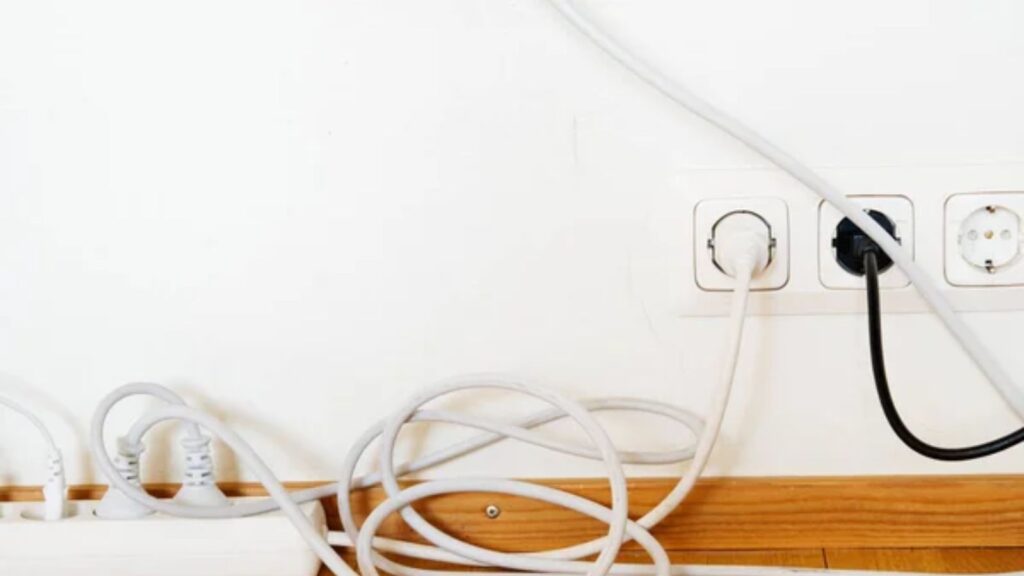
Electrical outlets naturally attract curious little fingers. Children may also try inserting toys or other objects into the openings. Outlet covers are an easy way to reduce this risk, especially in rooms where young children spend a lot of time.
Related Article: 14 ’90s Household Gadgets Kids Today Would Never Understand
Hot Beverages
A cup of coffee, tea, or hot chocolate can cause painful burns if it’s knocked over. Children often reach for mug handles hanging over the edge of a table or countertop. Keep hot drinks well away from places where kids play or eat.
Matches and Lighters
Children often see matches and lighters as interesting toys instead of fire starters. Keeping them locked away helps reduce the risk of burns, fires, and other accidents.
Scented Candles
Candles can look decorative, but they become dangerous once they’re lit. A child may try to touch the flame, tip the candle over, or pull it off a table. Place burning candles well out of reach and never leave them unattended.
Heavy Objects
Large picture frames, decorative vases, stacked books, and other heavy items can fall if a child climbs nearby or pulls on furniture. Secure heavy objects and avoid placing them where they could easily topple.
Related Article: Practical Fixes for Common Household Issues Without Calling a Pro
Certain Food Items
Foods like whole grapes, popcorn, hard candy, hot dogs, and many types of nuts can create choking hazards for young children. Keep these foods out of reach and always supervise children while they’re eating.
Garden Chemicals
Fertilizers, weed killers, and pesticides should always be stored safely after use. Even brief contact with these products can be harmful, and children may mistake colorful containers for something harmless.
Plastic Wrap
Plastic wrap sticks easily to skin, making it a suffocation hazard for young children. Store the box where little hands can’t reach it, and throw away used pieces right after cooking or storing food.