Some things are easy to declutter. That shirt you’ve never liked wearing, or the kitchen gadget collecting dust, can go straight into the donation pile. It’s a different story when an item reminds you of someone you love, a favorite childhood memory, or a time in your life you aren’t quite ready to leave behind.
A recent discussion about clutter brought up this exact problem. People shared stories about old clothes, childhood toys, Pokémon cards, LEGO sets, and stuffed animals that had survived several rounds of decluttering, even though they rarely got used. The conversation also raised
practical ways to part with these belongings without feeling like you have to throw away every memory attached to them.
Take a Picture Before You Let It Go
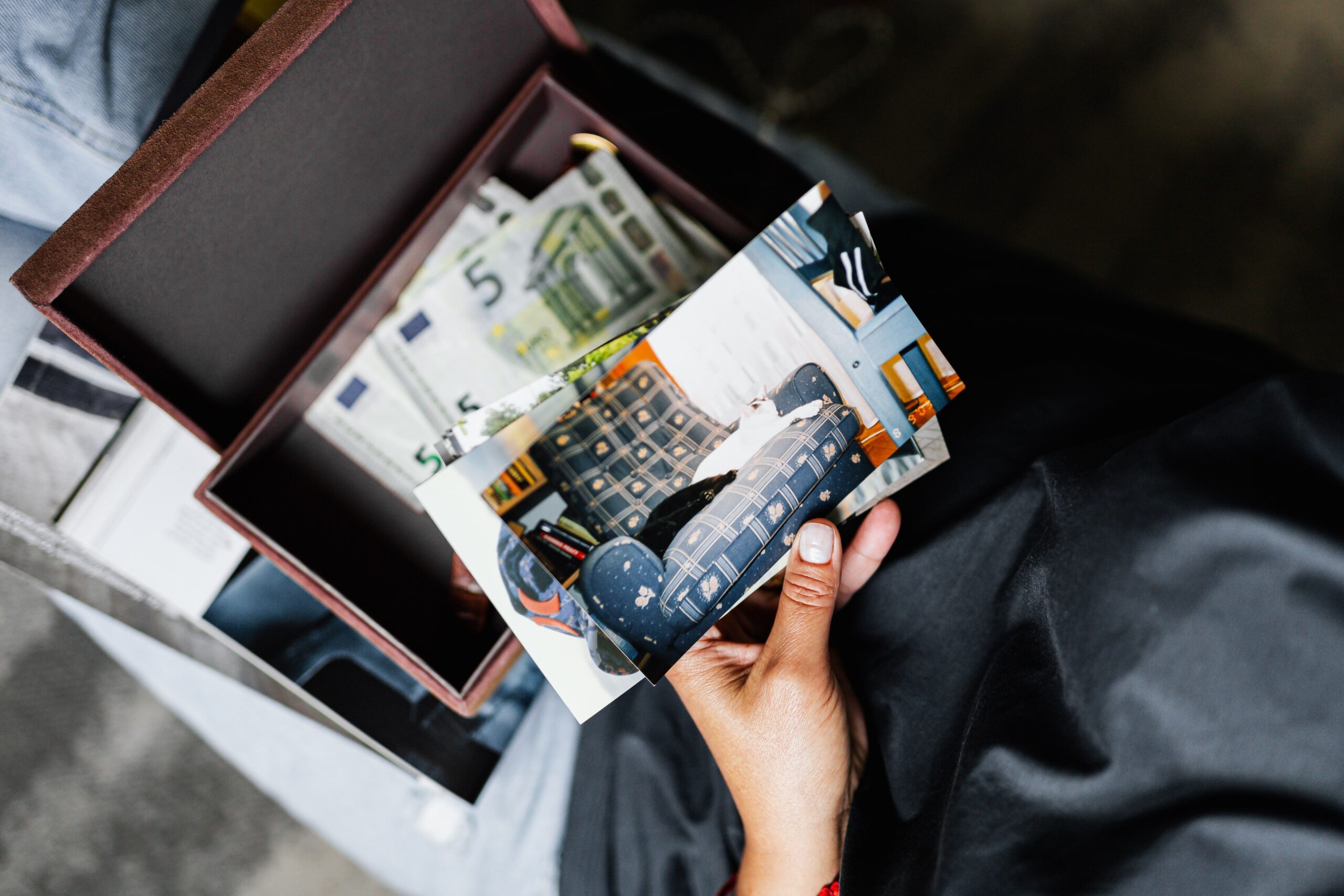
Sometimes it’s the memory behind an object that matters more than the object itself. Take a picture of an old dress, childhood toy, or collection before donating it so you can look back on it without keeping it tucked away in a box.
Give Yourself One Keepsake Box
Instead of deciding whether every sentimental item deserves a place in your home, set aside one box, bin, chest, or drawer for keepsakes. Once it’s full, adding something new means choosing whether it’s more meaningful than something already inside.
Pick the One That Represents the Rest
You probably don’t need every stuffed animal from childhood to remember those years. Keep the one you carried everywhere or a few pieces of memorabilia that bring back the strongest memories.
Choose Your Favorites Before Looking Through Everything
Before opening a box, think about which belongings you actually remember and would miss. If you can’t recall an item until you see it again, that may be a sign it isn’t as important to you as you once thought.
Ask Whether Someone Else Could Love It More
Instead of asking yourself whether you can bear to part with something, think about whether someone else could get more use out of it. An old instrument sitting untouched in a closet, for example, could be put to good use by a child who’s eager to learn how to play.
Find a Meaningful Place to Donate It
Giving away sentimental belongings can feel easier if you know where they’re going and who might enjoy them. Consider local charities, free closets, organizations that help families furnish their homes, friends, younger relatives, or community giveaway groups.
Create a “Maybe” Box
You don’t have to make every decision during one afternoon of decluttering. Put the items you’re unsure about in a box, label it, and set a date a few months later to go through everything again.
Having some time away from those belongings can change how you feel about them. You may find certain things much easier to let go of after you stop seeing them every day.
Ask Yourself If You Want to Deal With It Again
Think about your next move and whether you’d be willing to pack, carry, store, and unpack that item all over again. One person in the discussion used this very question to decide which belongings were worth keeping, and it’s a good way to think beyond how much space something takes up.
Start With the Things That Are Easier
Don’t begin with your grandmother’s letters or the stuffed animal you had as a child if those are the belongings you’re most attached to. Start with items that bring up fewer emotions so you can get used to making these decisions before tackling the harder ones.
Give Yourself Permission to Keep Some Things
Decluttering doesn’t mean every item you don’t use regularly has to go. A teddy bear, wedding veil, handwritten letter, or childhood toy can stay simply because it means something to you.
Acknowledge Why the Item Is Hard to Release
Sometimes you’re holding on to more than the physical object. It might remind you of the person who gave it to you, a special place you visited, who you were at the time, or a future you once pictured for yourself.
Related: 10 Ways Grocery Stores Get You to Spend More Than Planned
Set a Limit on How Much You Keep
If you have several boxes of old clothes, toys, or memorabilia, try choosing a reasonable amount of space for each collection. Keeping a few favorites can feel much better than having everything packed away where you rarely get to enjoy it.