A garden that gets blasted with sunshine all day doesn’t have to mean constant watering, wilted plants, or extra work. Many perennials actually prefer bright, warm conditions and become relatively easy to maintain once established.
The trick is choosing plants suited to the conditions you already have. From drought-tolerant flowers to dependable pollinator plants, these 15 choices can keep hot, sunny garden beds looking lively without requiring constant attention.
Blanket Flower (Gaillardia spp.)
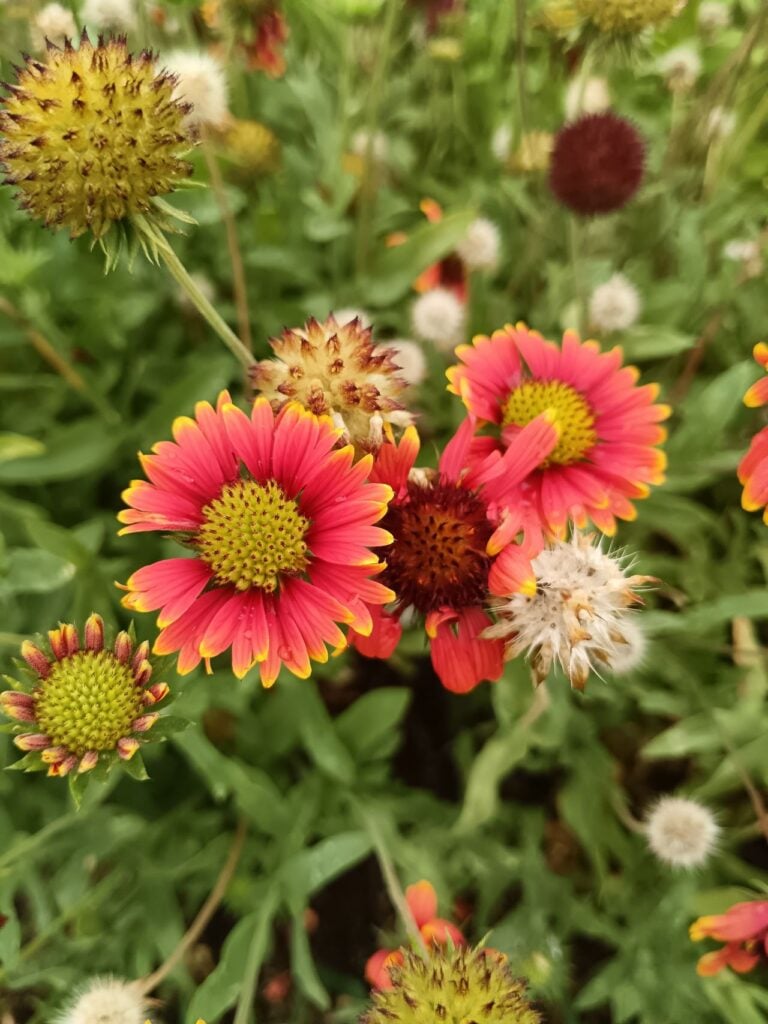
Blanket flower thrives in hot, sunny garden beds. It tolerates drought and poorer soils while producing bright red, orange, yellow, and bicolored flowers from summer into fall.
Once established, it needs relatively little attention as long as the soil drains well. Blanket flower is suited to Zones 3-10.
Blazing Star (Liatris spicata)
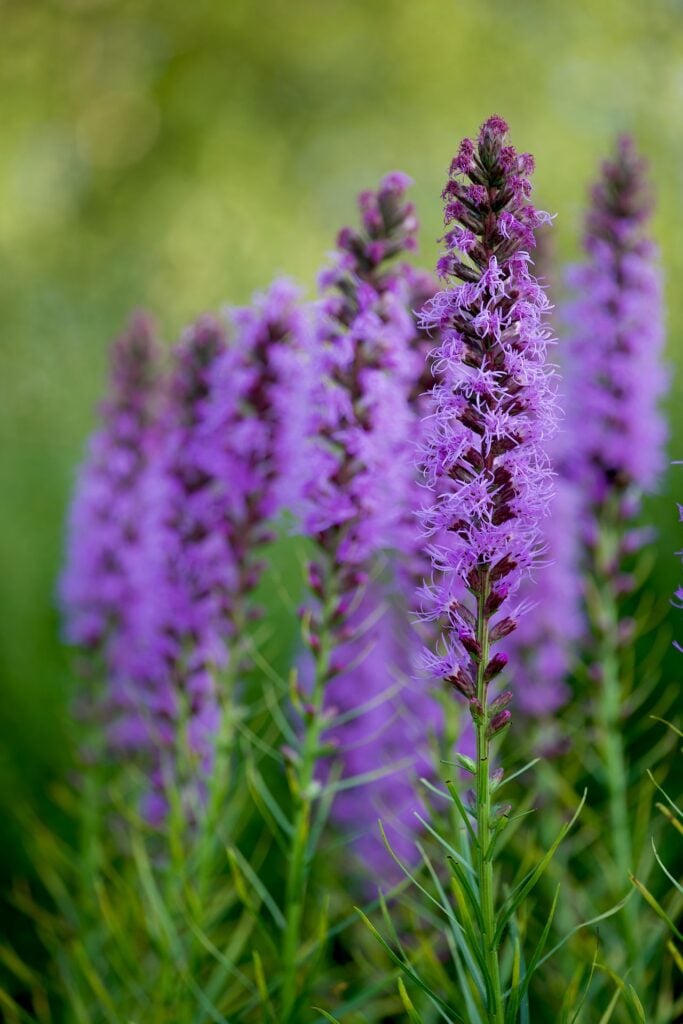
Blazing star produces tall spikes of feathery flowers that add height without taking over the garden. It thrives in full sun and well-drained soil and needs little water once established.
Butterflies also love the flowers, making this an easy addition to a sunny pollinator garden. It grows in Zones 3-9.
Penstemon (Penstemon spp.)
Penstemon handles sunny conditions well and produces tubular flowers in shades of red, pink, purple, and white. Bees and other pollinators are drawn to the flowers, while the plants themselves don’t require much fuss when grown in the right spot.
Plant penstemon somewhere with full sun and good drainage. The varieties covered here suit Zones 3-9.
Tickseed (Coreopsis spp.)
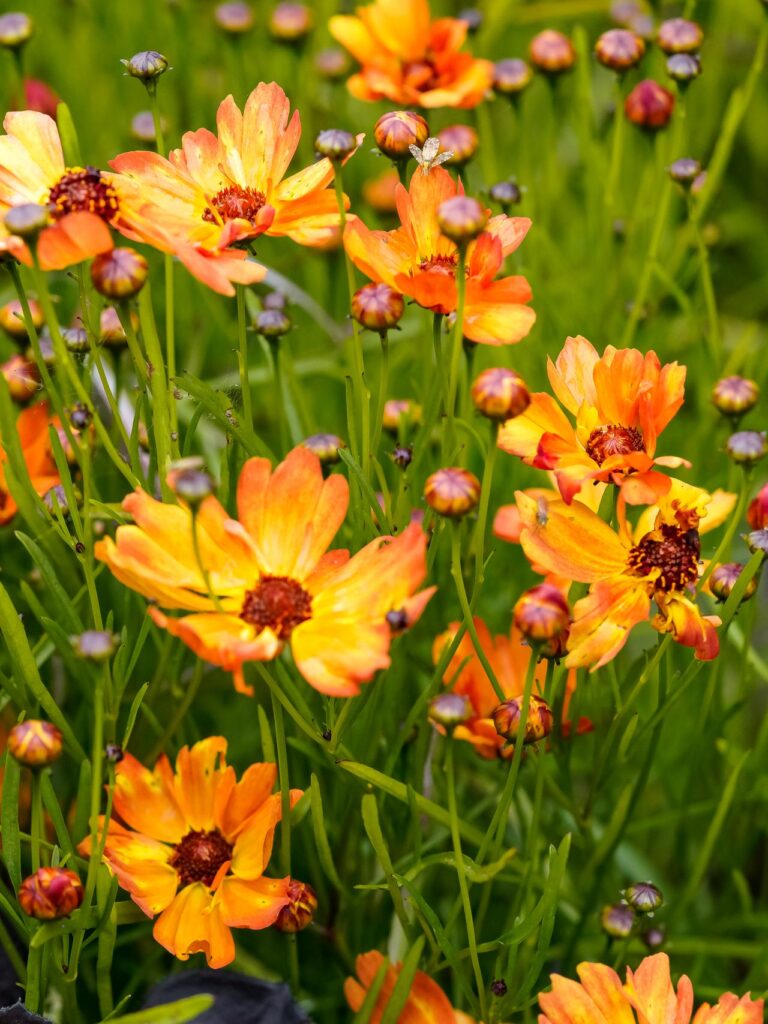
Tickseed is a dependable choice when you want lots of flowers without a complicated care routine. Its daisy-like blooms can appear in yellow, gold, pink, and red and continue for months from early summer into fall.
Give it plenty of sunshine and it can provide reliable color throughout the hottest part of the growing season. The source lists Coreopsis varieties for Zones 2-8.
Agastache (Agastache spp.)
Agastache is especially useful for hot, dry areas where more demanding plants struggle. It thrives in full sun and well-drained soil and becomes drought tolerant once established.
Its fragrant flower spikes can be purple, pink, or orange, attracting pollinators throughout summer. Agastache grows in Zones 4-10.
Coneflower (Echinacea purpurea)
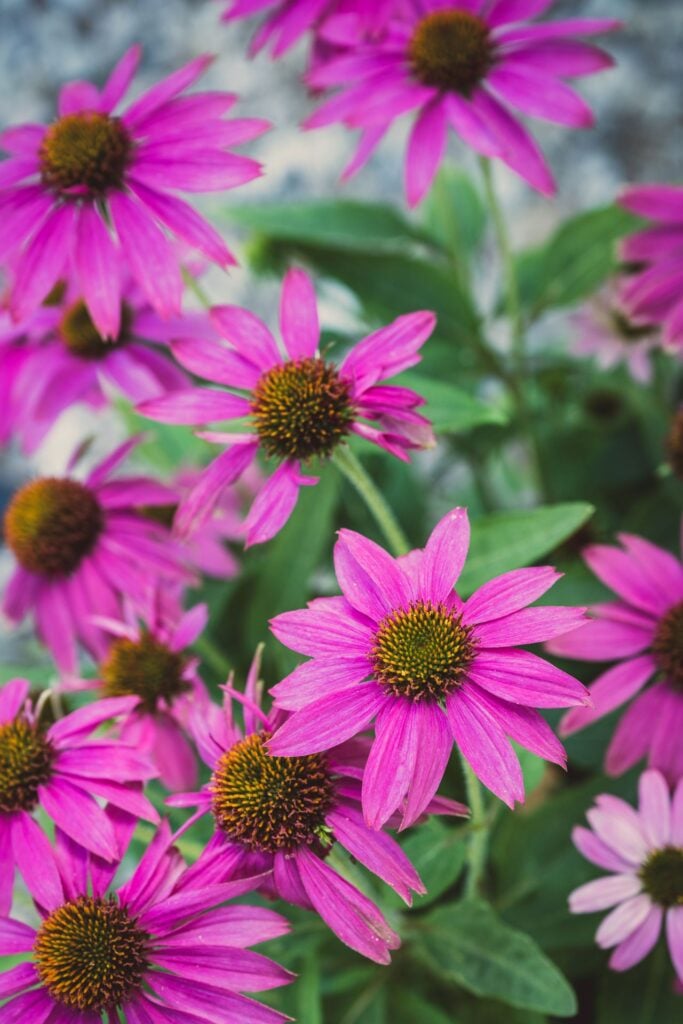
Coneflowers are tough, dependable perennials that perform particularly well in sunny gardens. Their large flowers appear throughout summer and can continue until frost while attracting plenty of pollinators.
Established plants are drought tolerant and need relatively little care to return year after year. Coneflowers grow in Zones 4-9.
Butterfly Weed (Asclepias tuberosa)
Butterfly weed is a type of milkweed that thrives in full sun and sandy, well-drained soil. Its clusters of orange, yellow, or red flowers bring plenty of color without requiring consistently moist soil.
It’s also an important plant for monarch butterflies, making it particularly useful in a low-maintenance pollinator garden. Butterfly weed grows in Zones 3-9.
Sneezeweed (Helenium autumnale)
Sneezeweed provides a burst of late-season color with daisy-like flowers in yellow, red, and bronze. It prefers a sunny location and can keep garden beds colorful after many earlier summer flowers have begun fading.
It’s a particularly useful addition when you want to extend the flowering season into late summer and fall. Sneezeweed grows in Zones 3-10.
Bee Balm (Monarda didyma)
Bee balm produces colorful flowers from mid- to late summer and attracts bees, butterflies, and hummingbirds. It’s a vigorous perennial that spreads readily once it’s established in the garden.
Give it plenty of room to grow, and it can gradually fill a sunny area without needing to be replanted every year. Bee balm grows in Zones 4-8.
Aster (Aster spp.)
Asters keep sunny gardens colorful later in the season when many summer flowers are beginning to fade. Their daisy-like blooms also attract pollinators later in the year.
They prefer full sun with moist, well-drained soil, so they may need more regular watering than some of the drought-tolerant choices on this list. Periodically dividing established plants can also help keep them vigorous.
Bellflower (Campanula spp.)
Bellflowers produce charming bell-shaped blooms in shades of blue, purple, and white. They can thrive in full sun and work especially well along borders or mixed into pollinator-friendly garden beds.
Their nectar-rich flowers attract bees and butterflies throughout the growing season. Bellflowers are listed for Zones 3-9.
Foxglove (Digitalis purpurea)
Foxglove is often associated with shadier gardens, but some varieties can flourish in full sun with adequate moisture. Its tall spikes of bell-shaped flowers add height and drama without requiring much horizontal garden space.
Because it appreciates consistent moisture, foxglove isn’t the best choice for an extremely dry bed. It works better in a sunny location where the soil doesn’t completely dry out.
Columbine (Aquilegia spp.)
Columbine produces distinctive spurred flowers earlier in the season than many summer-blooming perennials. It comes in a wide range of colors and can work well on slopes, ledges, and open garden spaces.
It’s also described as deer resistant, which can make it particularly useful where browsing animals are a recurring problem. Columbine grows in Zones 3-9.
Butterfly Weed (Asclepias tuberosa)
If your garden has a particularly sunny, fast-draining area, butterfly weed is one plant that won’t mind the conditions. Its deep-rooted growth habit helps established plants tolerate dry weather while its bright flowers stand out throughout summer.
The plant also supports monarch butterflies, giving it both ornamental and wildlife value. Zones 3-9.
Agastache (Agastache spp.)
For an exposed garden bed that gets hot during summer, agastache is another plant worth considering. Its drought tolerance, fragrant foliage, long-lasting flowers, and pollinator appeal make it especially useful when you’re trying to reduce garden maintenance.
Plant it in a sunny spot with good drainage, and avoid keeping the soil constantly wet. Depending on the variety, agastache can produce purple, pink, or orange flower spikes and suits Zones 4-10.