Ziploc bags are one of those household essentials that seem useful for just about everything. They’re great for packing snacks, organizing small items, and keeping leftovers fresh, but some things don’t belong in them.
The problem is that sealing something inside a plastic bag can trap moisture, limit airflow, or expose certain items to conditions that cause them to deteriorate. What seems like a convenient storage solution could actually make food spoil faster or damage belongings you’re trying to protect.
Here are nine things you might want to stop keeping in Ziploc bags.
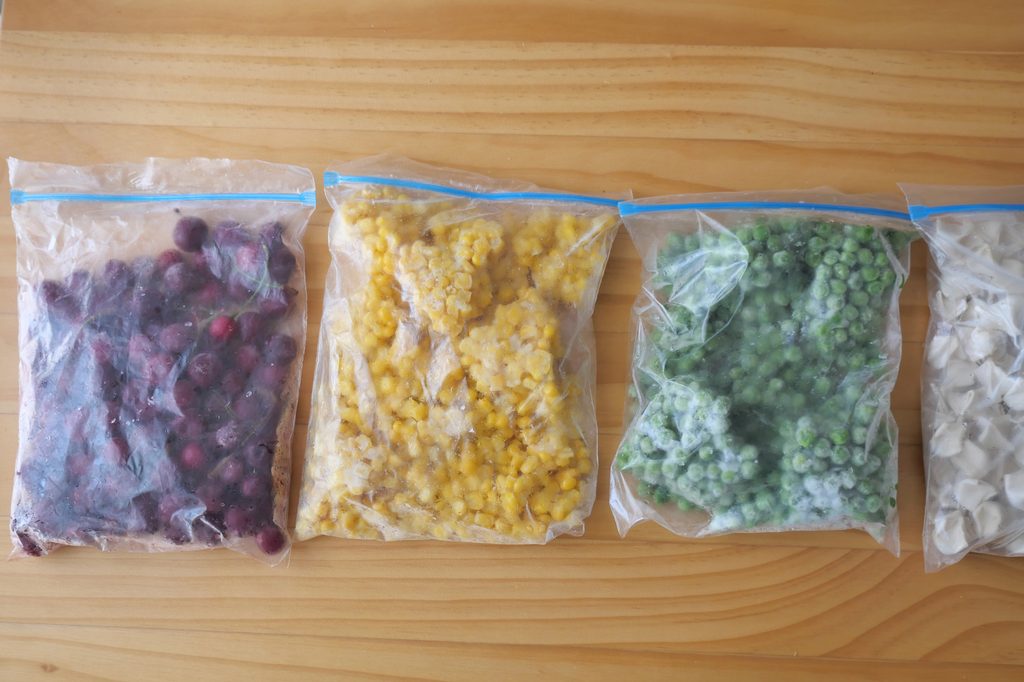
Garden Seeds
Saving seeds from your garden is a great way to prepare for the next growing season, but moisture can ruin them before you ever get a chance to plant them. Seeds that haven’t been thoroughly dried may develop mold inside a sealed plastic bag, so dry them properly and store them in labeled paper envelopes in a cool, dry location.
Hot Leftovers
Putting hot food directly into a Ziploc bag can expose the plastic to temperatures it wasn’t designed to handle, potentially causing damage or transferring substances into the food. Use a container suitable for hot food, and refrigerate perishable leftovers promptly rather than leaving them on the counter for hours.
Electronics
A plastic bag might seem like a good way to protect spare electronics from dust, but it can also trap moisture that may damage sensitive components. For long-term storage, keep electronics in a cool, dry place with appropriate protection against humidity, and avoid sealing devices that are still running or generating heat.
Whole Vegetables
Not all vegetables do well in airtight plastic bags, especially those that need airflow to stay fresh. Trapped moisture can make certain vegetables slimy or cause them to develop mold faster, so it’s often better to keep them in their original packaging or a ventilated produce container.
Related: 15 High-Performing Vegetables for Raised Bed Gardening
Fresh Fruit
It might seem like sealing fruit in a plastic bag would keep it fresh longer, but that isn’t always the case. Berries and other moisture-sensitive fruits can spoil faster when condensation builds up inside the bag, so their original ventilated containers are often a better choice.
Acidic Foods
Tomato sauce, citrus-based marinades, and other acidic foods aren’t always the best candidates for extended storage in plastic bags. Some research has raised concerns about plastic particle release under certain conditions, so a food-safe glass container is a practical alternative that also helps prevent leaks.
Fresh Mushrooms
If you’ve ever opened a bag of mushrooms only to find them wet and slimy, the storage method might be the problem. Mushrooms hold plenty of moisture, and sealing them in plastic can make matters worse, so a paper bag in the refrigerator is generally a better option.
Loose Batteries
Tossing spare batteries into a Ziploc bag might keep them together, but it doesn’t prevent their terminals from touching one another or other metal objects. That contact can cause short circuits, so store batteries in their original packaging or a dedicated battery organizer.
Seasonal Clothing
Storing clothes in sealed plastic bags for months can trap any moisture left in the fabric, potentially leading to musty odors or mildew. Make sure clothing is completely clean and dry before storing it, and consider breathable garment bags or suitable storage containers for longer-term protection.