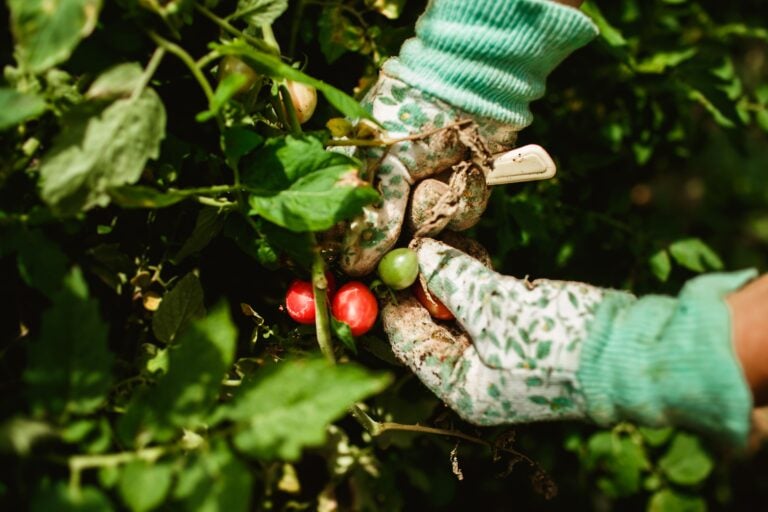
Raised garden beds make vegetable gardening more approachable, especially if your native soil is rocky, compacted, or low in nutrients. Filling them with loose, nutrient-rich soil creates a space where roots can spread easily and plants can take up what they need. I use raised garden beds from Vego Garden, which makes it simple to set up deep, well-drained beds that work well for growing a wide range of vegetables.
Raised beds also tend to warm up faster in spring and drain more efficiently after heavy rain. That helps reduce issues like waterlogged roots and slow early growth. Because the setup is easier to manage, many gardeners find they get healthier plants and better harvests from a smaller area.
If you’re planning a raised bed garden, these vegetables are some of the most reliable and productive options to start with.

Peppers
Peppers love warm soil, which makes raised beds an ideal place to grow them. Because the soil heats up faster than ground soil, pepper plants often establish themselves more quickly. Good drainage also helps prevent root diseases. Both sweet peppers and hot peppers grow well in raised beds.
Cucumbers
Cucumbers thrive in raised beds where the soil is warm and drains well. They grow quickly and produce plenty of fruit throughout the summer. Many gardeners train cucumber vines up a trellis to save space and improve air circulation. Growing vertically also makes harvesting easier.
Lettuce
Lettuce grows especially well in raised beds because the soil stays loose and retains moisture evenly. Since lettuce roots are shallow, they benefit from the rich topsoil found in raised beds. You can harvest leaves regularly for salads while the plant continues growing. Many gardeners grow several lettuce varieties at once for continuous harvests.
Tomatoes
Tomatoes are one of the most popular crops for raised bed gardens. The loose, fertile soil helps their roots spread easily, which supports strong growth and larger harvests. Raised beds also warm up quickly in spring, giving tomatoes a head start in the growing season. Just be sure to provide sturdy cages or stakes to support the plants as they grow.
Carrots
Carrots thrive in raised beds because the soil is typically softer and less compacted than ground soil. This allows the roots to grow straight and long instead of becoming twisted or stunted.
Raised beds also make it easier to control the soil texture by mixing in compost or sand if needed. With the right soil, carrots can grow beautifully in a raised bed.
Radishes
Radishes are one of the fastest vegetables you can grow and are perfect for raised beds. Many varieties are ready to harvest in just three to four weeks.
Because they grow quickly and take up little space, they’re great for filling small gaps between other plants. The well-drained soil in raised beds also helps prevent rot.
Turnips
Turnips grow well in raised beds where the soil is loose and fertile. Both the roots and leafy greens can be harvested and eaten. The improved soil conditions help the roots develop evenly and reach a good size. Turnips grow best in cooler weather, making them a great crop for spring and fall planting.
Kale
Kale is an excellent crop for raised beds because it can be planted closely together and harvested continuously. The plants grow quickly and tolerate cooler temperatures well.
You can harvest the outer leaves while the plant continues producing new ones. Raised beds also make it easier to protect kale from pests using row covers.
Spinach
Spinach is a fast-growing leafy green that does well in the cool seasons of spring and fall. Raised beds allow you to maintain consistent moisture levels, which spinach prefers.
The plants grow quickly and can be harvested multiple times throughout the season. With the right conditions, spinach can produce a steady supply of fresh greens.
Onions
Onions grow well in raised beds because the loose soil supports proper bulb development. They can be grown from seeds, transplants, or sets depending on your preference. Since onions require a long growing season, they benefit from the improved soil conditions in raised beds. Once established, they require very little maintenance.
Garlic
Garlic is one of the easiest crops to grow in raised beds. It prefers well-drained soil, which raised beds naturally provide. Most gardeners plant garlic cloves in the fall so they can develop over winter and be harvested the following summer. The rich soil often results in larger, healthier bulbs.
Eggplant
Eggplants grow best in warm conditions, making raised beds an ideal choice. The soil warms faster in spring, which helps the plants establish early. Raised beds also improve drainage and airflow around the roots. With full sun and consistent watering, eggplants can produce large, glossy fruits throughout the summer.
Sweet Potatoes
Sweet potatoes grow well in raised beds because the loose soil allows the tubers to expand easily. Harvesting is also much easier compared to digging in compact ground soil. These plants love heat and plenty of sunlight. Once the vines begin spreading, they can quickly cover the bed.
Swiss Chard
Swiss chard is a hardy leafy green that performs well in raised beds. It grows quickly and produces colorful stems and large leaves that can be harvested over a long period. Because it tolerates both cool and warm weather, it’s a reliable crop for most gardens. Raised beds make harvesting the leaves more convenient.
Beets
Beets grow best in loose, nutrient-rich soil, which makes raised beds an ideal environment. The roots develop more evenly without the obstruction of rocks or compacted soil. Both the beet roots and leafy tops are edible. Harvesting is simple, and raised beds make it easy to pull the roots when they’re ready.
Other Topics You Might Like
- 13 Gardening Antiques Collectors Love and Often Pay Up For
- I Stopped Buying Fertilizers After Years of Gardening and Started Using This Instead
- Some of the Best Gardening Tips I Ever Got That Break All the Rules
- 9 Vintage Gardening Tools Hiding in Grandma’s Potting Shed— Some Could Be Worth a Small Fortune