It’s easy to spend an entire afternoon scrolling on your phone or watching TV, only to realize you haven’t done much. Sometimes, you just want something to keep your hands busy without staring at another screen.
Finding a hobby is a good place to start, but some can get expensive pretty quickly. Between supplies, equipment, and classes, it’s easy to spend more money than you originally planned.
Fortunately, plenty of hobbies don’t require a fortune. Some even help you save money, make useful things for your home, or create gifts for family and friends.
Here are 15 inexpensive hobbies worth trying when you want something productive to do with your free time.
1. Crocheting
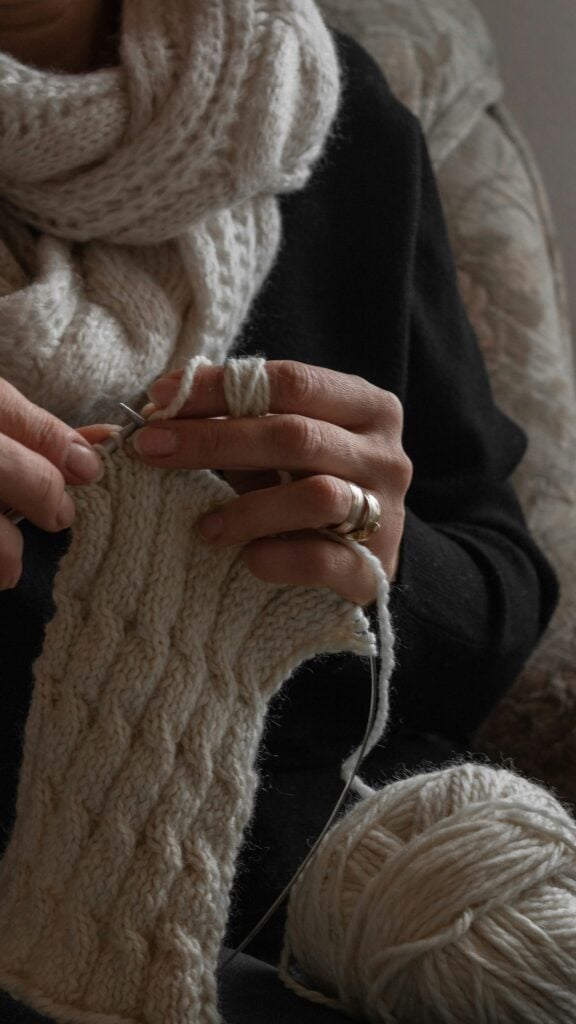
Crocheting is one of those hobbies you can start with just a hook and a ball of yarn. Once you learn a few basic stitches, you can make everything from dishcloths and blankets to scarves and stuffed animals.
You don’t have to buy expensive yarn, either. Thrift stores and garage sales sometimes have bags of yarn and crochet supplies for a fraction of what you’d pay at a craft store.
2. Sewing
Learning how to sew can save you money, especially if you’re constantly replacing clothes because of small tears, missing buttons, or broken seams.
Start with a basic sewing kit and learn to make simple repairs by hand. As your skills improve, you might try making pillow covers, tote bags, or even clothing using secondhand fabric and old sheets.
Related: Sewing Is Making a Comeback and More People Are Learning It Again
3. Vegetable Gardening
Growing your own vegetables gives you something to work on throughout the season, and you get fresh food in return.
You don’t need a huge backyard to get started. A few containers on a sunny patio can be enough to grow lettuce, herbs, peppers, or tomatoes.
4. Bread Baking
If you’ve ever wanted to learn how to make homemade bread, this is a good hobby to try. Most basic recipes use inexpensive ingredients like flour, water, yeast, and salt.
Start with a simple no-knead loaf before moving on to sourdough, dinner rolls, or homemade pizza dough. And unlike some hobbies that leave you with more things to store, this one gives you something you can actually eat.
5. Embroidery
Embroidery is a relatively inexpensive craft that lets you decorate clothing, tote bags, pillowcases, and other fabric items.
To get started, you just need a needle, embroidery floss, fabric, and a hoop. Practice on old clothing or leftover fabric instead of buying something new.
Related: Going “Analog” Is the Quiet Interior Trend Bringing Calm Back Home
6. Quilting
Quilting doesn’t require expensive fabric or a sewing machine. You can start with hand quilting and use fabric from old shirts, sheets, or other clothing you no longer wear.
A small project, like a potholder or table runner, is a good way to learn before attempting a full-size quilt.
7. Upcycling Old Furniture
If you enjoy thrift shopping or browsing garage sales, you might want to try furniture upcycling.
An old side table, wooden chair, or small bookshelf can often be updated with a little cleaning, sanding, paint, or new hardware.
You don’t have to start with a major furniture makeover. Even replacing the knobs on an old dresser or refreshing a picture frame can be satisfying. Just make sure the piece is sturdy and worth repairing before spending money on supplies.
8. Scrapbooking
Scrapbooking lets you organize photos, ticket stubs, postcards, and other keepsakes that might otherwise sit in a drawer.
You can use a basic notebook, leftover paper, magazine clippings, and photographs you already have.
It’s a particularly nice hobby if you’ve been meaning to do something with years of family photos but haven’t gotten around to it.
9. Knitting
Like crocheting, knitting is a hobby you can work on while listening to music, watching television, or relaxing at home.
A pair of knitting needles and some yarn are all you need to get started. Beginner projects include scarves, dishcloths, hats, and simple blankets.
10. Making Homemade Gifts
Instead of buying something for every birthday or holiday, you can spend your free time learning how to make gifts yourself.
Homemade candles, ornaments, greeting cards, baked goods, and simple sewn items are all possibilities, depending on your interests and the supplies you have.
11. Learning to Preserve Food
Food preservation is a useful skill if you grow vegetables, buy produce in bulk, or often find yourself throwing food away before you can use it.
Freezing vegetables, drying herbs, and making refrigerator pickles are a few approachable ways to begin.
You can later learn more involved methods, like home canning, but follow tested recipes and proper food safety guidelines. Not every food can be safely canned using the same method.
12. Painting and Drawing
You don’t have to be particularly artistic to enjoy painting or drawing. Sometimes, it’s simply nice to sit down and make something without worrying about how it turns out.
A pencil and notebook are enough to start drawing. If you prefer painting, inexpensive watercolor sets or acrylic paints can be a good place to start.
13. Weaving
Weaving might sound like a hobby that requires expensive equipment, but you can make a simple loom using cardboard or a wooden frame.
Old T-shirts, fabric scraps, and leftover yarn can become small wall hangings, coasters, potholders, or other decorative pieces. As you get more comfortable, you can try larger projects, including braided or woven rugs made from worn-out clothing.
14. Growing Plants From Cuttings
If you enjoy having plants around the house but don’t want to keep buying new ones, learning how to propagate plants is a useful hobby.
Many common houseplants, including pothos and some philodendron varieties, can root from stem cuttings placed in water or a suitable growing medium.
Use clean jars or containers you already own and watch the roots develop over time.
15. Learning to Cook From Scratch
Cooking can become a hobby when you start experimenting with recipes and learning techniques you’ve never tried before.
You might learn how to make homemade pasta, prepare soups from scratch, bake your own tortillas, or recreate meals you usually order from restaurants.
Start with ingredients you already have in your pantry and work on one new recipe at a time.