Being a teenager in the 1960s meant figuring out plenty of things without a smartphone or the internet. If you needed directions, wanted to call a friend, or had to keep yourself busy, you usually had to work things out on your own.
Young people picked up practical skills because they were part of everyday life. They learned to read maps, remember phone numbers, prepare simple meals, fix household problems, and spend time without a screen. Some of these habits may seem unfamiliar to teenagers growing up today, but they were once ordinary parts of becoming independent.
Reading a Paper Map Without Getting Lost
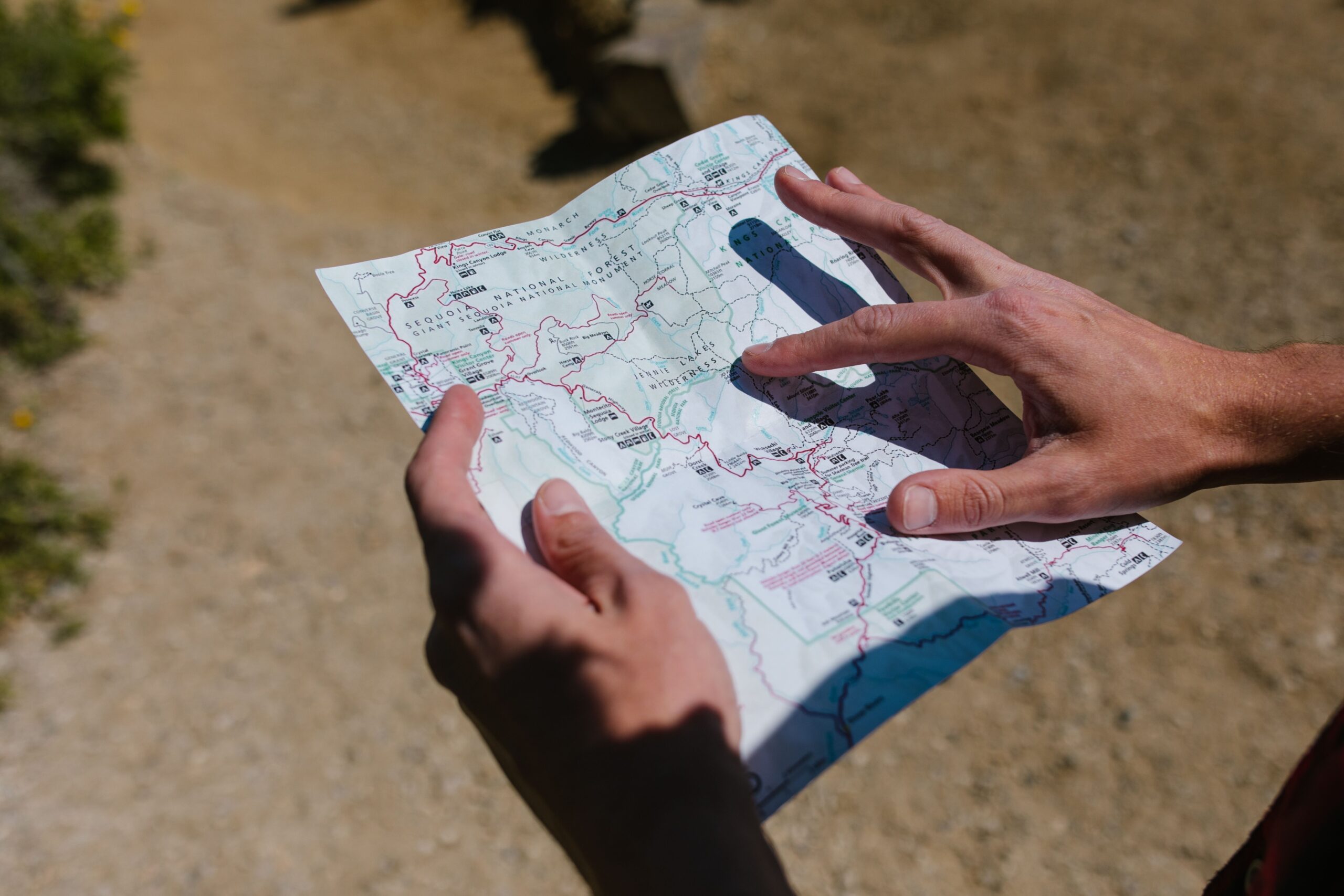
Before GPS and phone directions, getting somewhere unfamiliar meant unfolding a paper map and finding your route. Teenagers learned to follow highways, recognize street names, look for landmarks, and plan their trips before leaving home.
If they missed a turn, no automatic voice told them where to go next. They had to stop, check the map, figure out their location, and work out another route.
Waiting Without Constant Entertainment
Waiting was something people simply had to do, whether they were at a doctor’s office, riding in a car, or standing in line. Teenagers might read a magazine, chat with someone nearby, look out the window, doodle, or just sit quietly until it was time to move on.
There was no phone to reach for every time a few minutes felt boring. Learning to pass the time without constant entertainment was part of everyday life.
Knowing How to Use a Landline Phone
Calling a friend meant picking up the household telephone, dialing the number, and hoping the right person answered. Sometimes a parent or sibling picked up first, so teenagers had to introduce themselves and politely ask to speak with their friend.
There was no texting to avoid an awkward conversation or caller ID to tell them who was on the other end. They had to speak clearly, listen, and respond as the conversation unfolded.
Memorizing Important Phone Numbers
Many teenagers knew the phone numbers of their friends, relatives, and neighbors by heart. They could pick up a telephone and dial without looking anything up.
If they couldn’t remember a number, they could check a handwritten address book or a phone directory. Still, memorizing frequently used numbers was a normal part of staying in touch.
Cooking Simple Meals From Scratch
Teenagers were often expected to help prepare food at home, especially when their parents were busy. They might learn to scramble eggs, make sandwiches, heat soup, or put together a basic dinner without needing someone to walk them through every step.
Convenience foods were available, but there weren’t as many quick meal options as there are today. Knowing a handful of simple recipes came in handy whenever they needed to feed themselves or help the family.
Related: 15 Depression Era Meals That Were Cheap but Surprisingly Good
Entertaining Yourself Without a Screen
A free afternoon often meant finding something to do without being handed a phone or tablet. Teenagers read books, listened to records, rode bicycles, played sports, visited friends, worked on hobbies, or spent hours outside.
If nobody had plans, they had to come up with their own entertainment. Sometimes that meant starting a project, picking up a book, or heading outside to see what was happening around the neighborhood.
Fixing Small Things Around the House
Before replacing every broken item, families often tried to repair it first. Teenagers learned by watching their parents or helping with small jobs, such as tightening a loose screw, fixing a cabinet hinge, or dealing with a wobbly piece of furniture.
These chores gave them a chance to work with basic tools and learn how household items were put together. They also became more comfortable trying simple fixes instead of immediately asking someone else to handle the problem.
Getting Around Without Constant Check-Ins
Teenagers in the 1960s often spent hours away from home without regularly checking in with their parents. They walked or rode bicycles to school, visited friends, used public transportation, and ran errands around town.
Parents usually set a time for them to be home, and children were expected to stick to it. Without location sharing or quick text messages, teenagers had to make their own arrangements if plans changed or something unexpected happened.
For many young people, that freedom was an ordinary part of growing up. They learned to plan their trips, keep track of time, and handle small problems without calling home every few minutes.