
Donating unwanted furniture is usually a great way to clear out your home while giving someone else a chance to use what you no longer need. But not everything we want to get rid of belongs at a donation center, especially when it’s damaged, stained, or no longer usable.
One Habitat for Humanity ReStore in West Virginia is asking people to be more mindful of what they drop off, as it deals with an increasing number of furniture donations it can’t sell.
According to a WTAP report, some of these donations are costing the nonprofit money that could otherwise go toward helping families build homes.
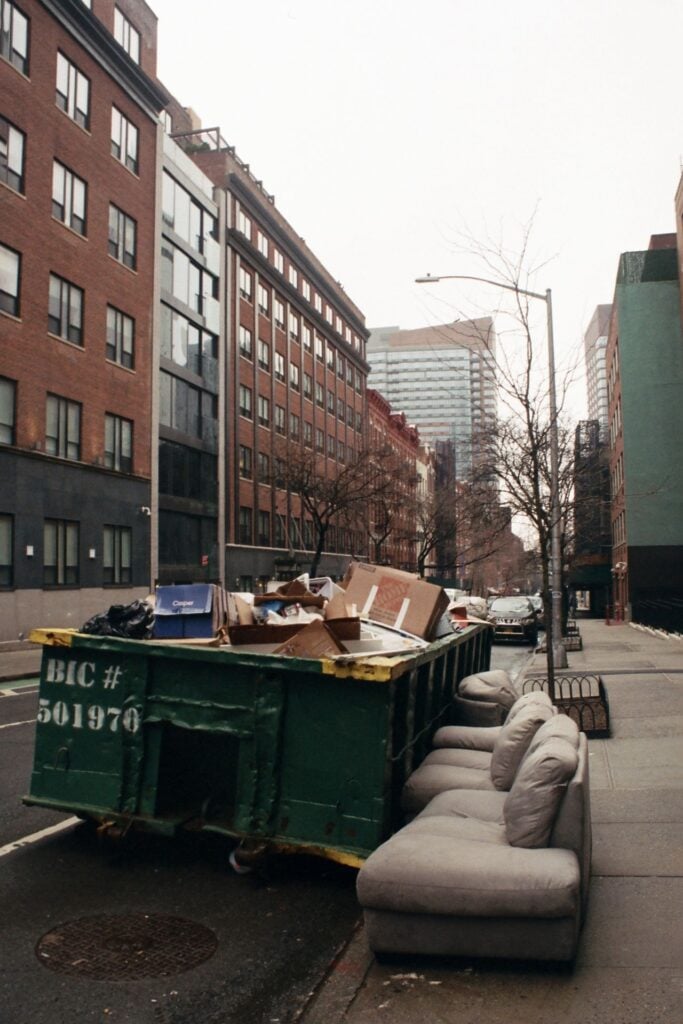
Some donations are costing the store money
The Habitat for Humanity ReStore in Vienna, West Virginia, relies on donated furniture and household goods to support its mission. But employees say they’ve been receiving couches, chairs, and other furniture in such poor condition that they can’t resell them.
The problem reportedly worsens in the summer, when staff see more furniture with torn upholstery, stains, and pet damage.
Instead of bringing in money for the organization, these items create an additional expense because the store has to arrange for their disposal.
Getting rid of unwanted furniture isn’t free
According to WTAP, the store’s trash company charges $35 for each unusable item it hauls away.
That might not sound like much for one piece of furniture, but the costs can add up when multiple items need to be removed. Employees also spend time and gas transporting unwanted donations to the city dump.
It’s particularly frustrating because the money being spent on disposal could otherwise support Habitat for Humanity’s work.
The store is essentially paying to throw away furniture someone else didn’t want to dispose of.
People are leaving furniture after hours
Another issue is that some people are dropping off furniture when the store is closed.
According to the report, these after-hours donations often include items that staff would have turned away if someone had been there to inspect them.
By the time employees return, the furniture has already been left behind, and the store has to figure out what to do with it.
While donors may think they’re helping by leaving unwanted items outside, doing so can create more work and additional expenses for the organization.
What furniture does Habitat for Humanity actually want?
The ReStore isn’t asking people to stop donating furniture altogether. In fact, usable furniture is an important part of what keeps these stores running.
Staff say they’re happy to accept older furniture as long as it’s clean and structurally sound. Minor repairs aren’t necessarily a problem, either.
However, furniture with major tears, pet stains, strong odors, or extensive damage is a different story.
Donation guidelines can vary by location, so it’s always worth checking with your nearest ReStore before loading up your vehicle.