Keeping your home warm during the winter can get expensive, especially if you live in an older property with poor insulation, drafty windows, and an inefficient heating system. But imagine spending nearly $500 on electricity in a single month and still feeling cold inside your own home.
That’s the situation one renter shared in a recent Reddit discussion. With another winter approaching, the renter is looking for affordable ways to keep their apartment warm without spending a fortune on electricity.
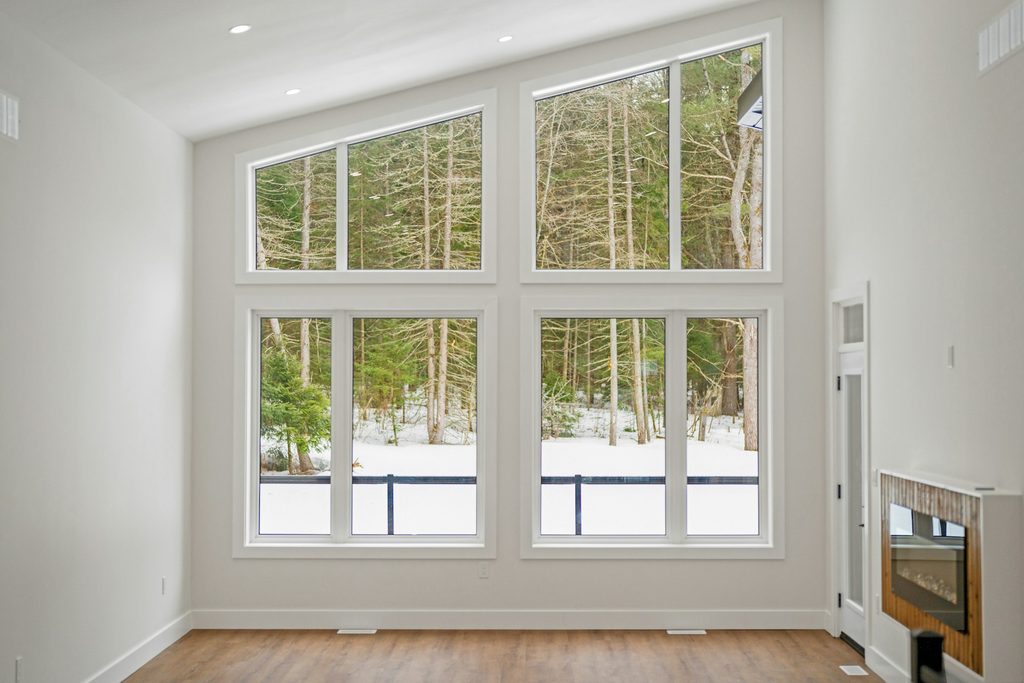
A 900-square-foot apartment with a $479 electric bill
The renter lives in a roughly 900-square-foot apartment with nine older double-hung windows, three electric baseboard heaters, and an unheated basement directly underneath the first-floor unit.
Last February, their electric bill from PECO came to $479 for just 29 days, with electricity usage totaling 2,154 kilowatt-hours. What’s particularly frustrating is that the household keeps the heat off for as long as they can tolerate it and only sets the thermostat to around 65 degrees when they finally turn it on.
“We’re not expecting a miracle, but we’d love to stop paying nearly $500 a month just to sit in a cold apartment,” the renter wrote.
The apartment may be losing heat in several places
While older windows are an obvious concern, they may not be the only source of heat loss. The renter describes exterior walls that are freezing to the touch, cold floors despite having carpeting, and what appears to be very little insulation throughout the apartment.
An unheated basement can also contribute to uncomfortable living conditions, particularly when there’s insufficient insulation between the basement ceiling and the apartment above.
The renter has already tried recaulking the windows, but it hasn’t made enough of a difference to keep the apartment comfortable.
Renters share inexpensive ways to keep the heat inside
Window insulation kits were among the most frequently recommended solutions. These relatively inexpensive kits use a clear plastic film secured around the window frame to create an additional barrier against cold air.
Thermal curtains, insulated window coverings, thick area rugs, and removable weatherstripping were also suggested. While these improvements won’t necessarily solve underlying insulation problems, they may help reduce drafts and make individual rooms more comfortable.
Curtains and other fabrics should always be kept a safe distance from electric baseboard heaters.
Heating yourself rather than the entire apartment
Several renters suggested shifting the focus from heating the entire apartment to keeping the people inside warm.
Heated blankets, insulated slippers, thick socks, thermal clothing, and additional bedding can make spending time at home more comfortable without constantly turning up the thermostat.
Heated blankets typically consume considerably less electricity than electric baseboard heaters. However, these products should supplement adequate household heating rather than replace it, particularly during periods of extreme cold.
The electric bill itself may deserve a closer look
Some readers questioned whether the apartment’s heating system was entirely responsible for such high electricity usage.
One detail that raised questions was that the building had previously been a single-family home before being converted into separate rental units. The renter now plans to contact PECO to investigate whether their electricity meter could be supplying power to another part of the building.
Requesting an energy audit, reviewing historical electricity usage, checking utility rates, and confirming which areas the meter serves could help identify problems that might otherwise go unnoticed.
When does it become the landlord’s responsibility?
Perhaps the biggest question is how much money renters should be expected to spend addressing problems related to the condition of a rental property.
Window insulation kits and thermal curtains are relatively affordable, temporary improvements, but inadequate insulation, deteriorating windows, and heating system problems may require more substantial work.
Landlord responsibilities vary depending on local housing regulations and lease agreements. Renters experiencing unusually cold indoor temperatures should document the conditions, review their lease, and raise their concerns with the property owner in writing.
After all, there’s only so much a renter can accomplish with plastic window coverings and a few extra blankets when the building itself may be struggling to retain heat.
Other Posts You Might Like
- 10 Apartment Upgrades You Can Do Without Angering Your Landlord
- Homeowners Are Refusing to Sell—And Are Becoming “Accidental Landlords” Instead
- 14 Things Landlords Hate Finding Inside Your Home (It Could Cost You Your Security Deposit)
- This Donation Center Will Come to Your Home and Pick Up Donations for Free