A kitchen can look spotless, with clean countertops, washed dishes, and an empty trash can, yet a few dirty spots may remain hidden. Daily cooking leaves behind grease, crumbs, moisture, and food residue that can build up in places most people rarely think to check.
A little attention to these overlooked areas can cut down on odors, remove stubborn grime, and help keep your kitchen in good shape. Here are nine spots worth adding to your regular cleaning routine.
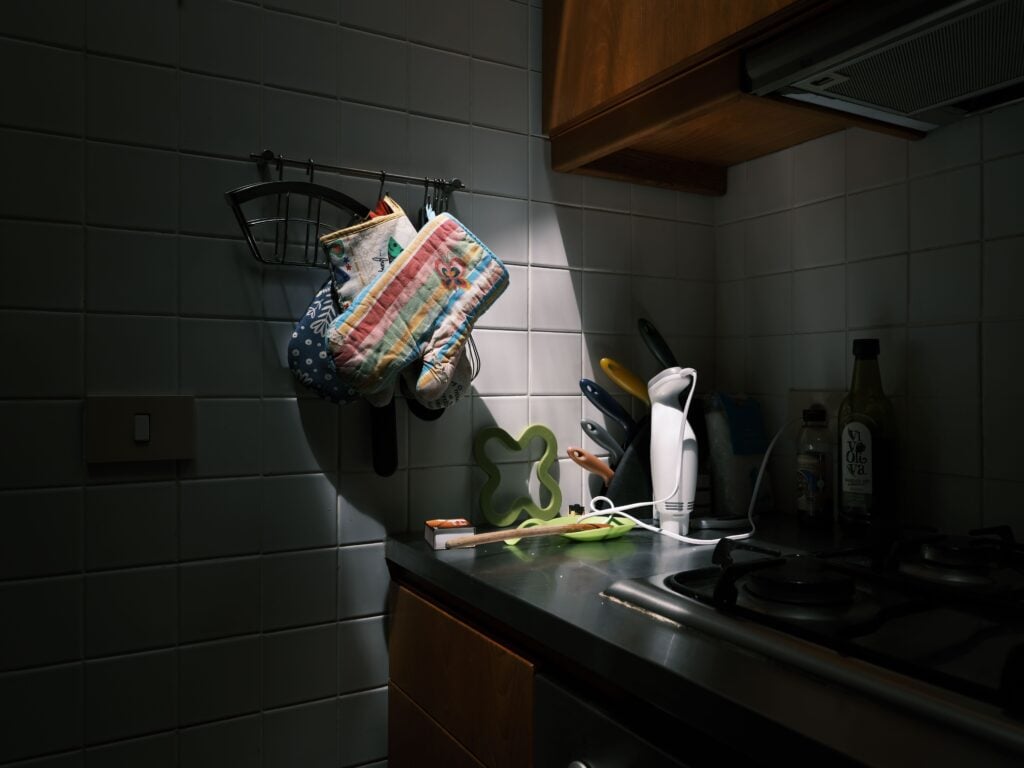
1. Behind the Stove
The narrow space behind your stove can collect grease splatters, crumbs, dust, and bits of spilled food without you noticing. Turn off the appliance and let it cool before cleaning nearby surfaces, and move the stove only if you can do so safely without straining a gas line or damaging the floor.
Related: 12 Things People With Always-Clean Homes Never Do
2. Garbage Disposal
Small food scraps can cling to the disposal’s splash guard and inner surfaces, leading to unpleasant smells over time. Follow the manufacturer’s cleaning instructions, remove debris safely with the unit switched off, and never put your fingers inside the disposal.
Related: Decluttering Your Home? Keep These 8 Things That Still Matter
3. Coffee Maker
Your daily cup of coffee may come from a machine that rarely gets thoroughly cleaned. Wash the carafe and removable parts regularly, and descale the brewer according to its instructions to remove mineral deposits and coffee residue.
Related: 12 Things You Might Want to Stop Keeping in Your Car
4. Inside the Dishwasher
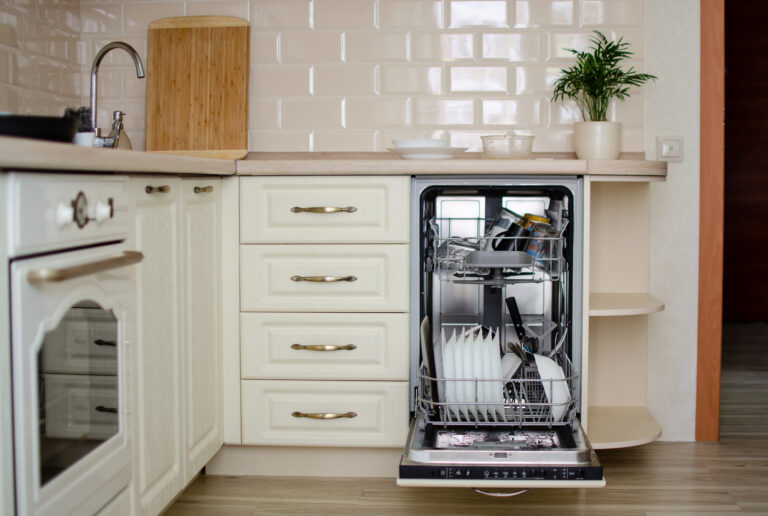
Food particles, grease, and soap residue can gather in the dishwasher filter, spray arms, and door seal. Clean these areas according to the manual, and check for trapped debris so dishes come out clean and the machine doesn’t develop unpleasant odors.
Related: 12 Things in Your Kitchen That Could Be Affecting Your Health
5. Handles and Knobs
Cabinet pulls, refrigerator handles, drawer knobs, and appliance controls get touched throughout the day, often by hands covered in cooking oil or food residue. Wipe them down regularly with a suitable cleaner, and disinfect surfaces that may have come into contact with raw meat juices according to the product label.
6. The Kitchen Sink
Your sink handles dirty dishes, food scraps, rinsed produce, and other messes throughout the day. Scrub the basin, faucet, drain area, and sink handles with a suitable cleaner, then rinse them to remove residue and control odors.
7. Cutting Boards
Knife marks can leave tiny grooves where food particles and moisture collect, especially on boards used for raw meat. Wash boards after every use, sanitize them with a food-safe method when needed, and replace any board with deep grooves or cracks that make cleaning difficult.
8. Refrigerator Shelves and Drawers
Small spills from sauces, produce, and leftovers can dry onto refrigerator shelves before you notice them. Remove shelves and drawers when the manufacturer’s instructions allow, wash them with suitable soapy water, and check for expired food or forgotten leftovers as you clean.
9. Dish Towels
Dish towels collect food residue and moisture as they dry hands, wipe counters, and clean up spills throughout the day. Replace damp towels with clean ones, wash them often using the hottest water the fabric allows, and let them dry fully between uses.